
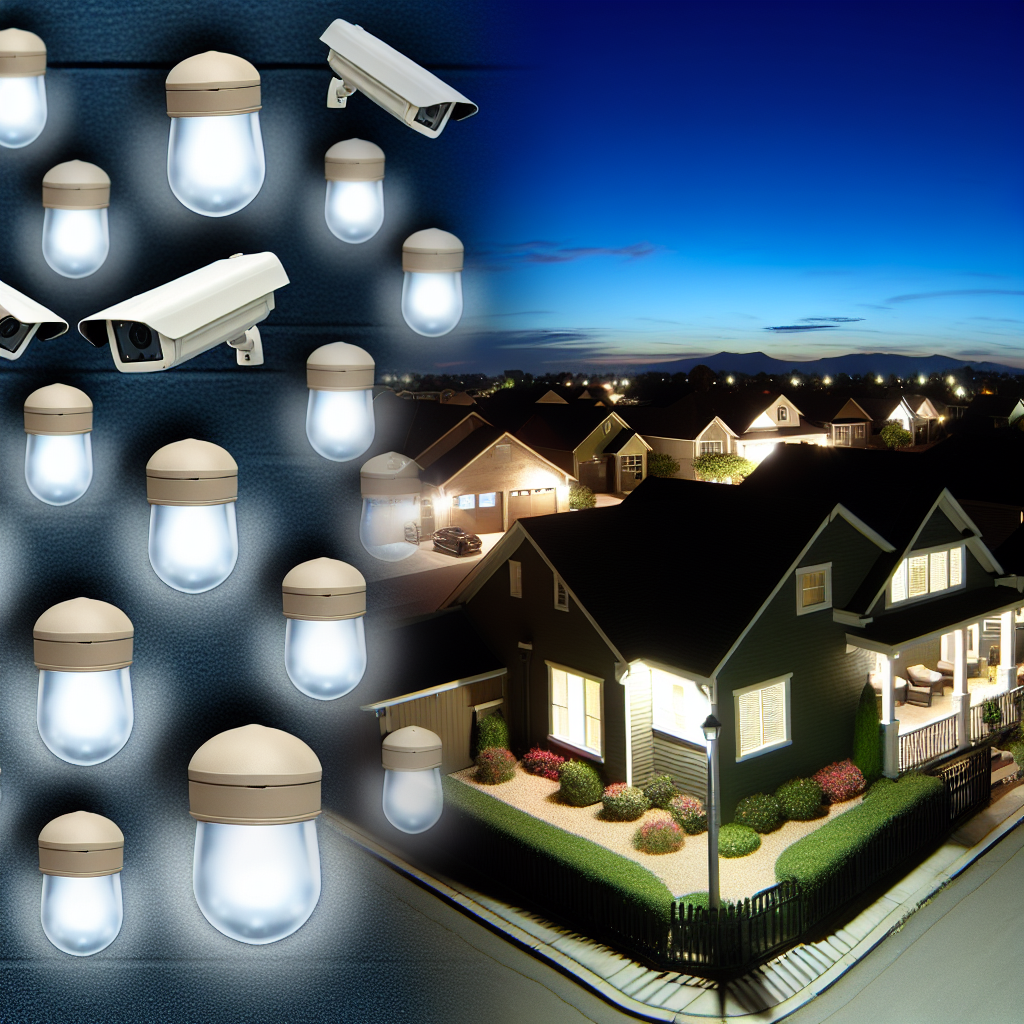
“Protect your home and neighborhood with the power of motion sensors. Don’t wait until it’s too late, take action now and get a free quote from American Security Products. Click here to secure your peace of mind: https://www.americanspd.com/free-quote”
The Importance of Motion Sensors in Residential Security Systems
In today’s world, residential security has become a top priority for homeowners. With the rise in crime rates and the constant threat of burglaries, it is essential to have a robust security system in place to protect our homes and loved ones. One crucial component of any residential security system is motion sensors. These devices play a vital role in maximizing security and ensuring neighborhood safety at home.
Motion sensors are electronic devices that detect movement in their designated area and trigger an alarm or alert. They are typically installed in strategic locations around the house, such as entry points, hallways, and outdoor areas. When an intruder enters the sensor’s range, it sends a signal to the security system, which then activates an alarm or notifies the homeowner or security company.
The primary purpose of motion sensors is to detect and deter potential intruders. They act as the first line of defense in a residential security system. By detecting any movement, they can alert homeowners or authorities of a potential break-in, giving them time to take necessary action. This early warning system can prevent burglaries and other crimes from occurring, making it an essential tool in ensuring neighborhood safety.
Moreover, motion sensors can also be integrated with other security devices, such as cameras and lights, to enhance their effectiveness. When a motion sensor is triggered, it can activate a camera to capture footage of the intruder, providing valuable evidence for authorities. It can also turn on lights, making it easier for homeowners or neighbors to identify any suspicious activity.
Another crucial aspect of motion sensors is their ability to minimize false alarms. In the past, security systems were notorious for triggering false alarms, causing inconvenience and frustration for homeowners and authorities. However, with advancements in technology, motion sensors have become more accurate and reliable. They can differentiate between human movement and other factors that may trigger a false alarm, such as pets or falling objects. This feature not only saves time and resources but also ensures that the security system is only activated when necessary.
Furthermore, motion sensors can also be customized to suit the specific needs of a homeowner. For instance, some sensors can be set to detect only large movements, such as a person walking, while others can detect smaller movements, such as a crawling child. This customization allows homeowners to have better control over their security system and tailor it to their unique requirements.
Apart from detecting intruders, motion sensors can also be used for other purposes, such as energy conservation. They can be integrated with smart home systems to turn off lights and appliances when no one is in the room, reducing energy consumption and utility bills. This feature not only adds convenience but also promotes sustainability, making it a win-win situation for homeowners.
In conclusion, motion sensors are an essential component of any residential security system. They play a crucial role in maximizing security and ensuring neighborhood safety at home. With their ability to detect and deter potential intruders, minimize false alarms, and provide customization options, motion sensors are a valuable investment for any homeowner looking to enhance their home’s security. So, if you haven’t already, consider adding motion sensors to your residential security system and enjoy the peace of mind that comes with knowing your home and loved ones are safe and secure.
Maximizing Neighborhood Safety with 24/7 Surveillance in Residential Security
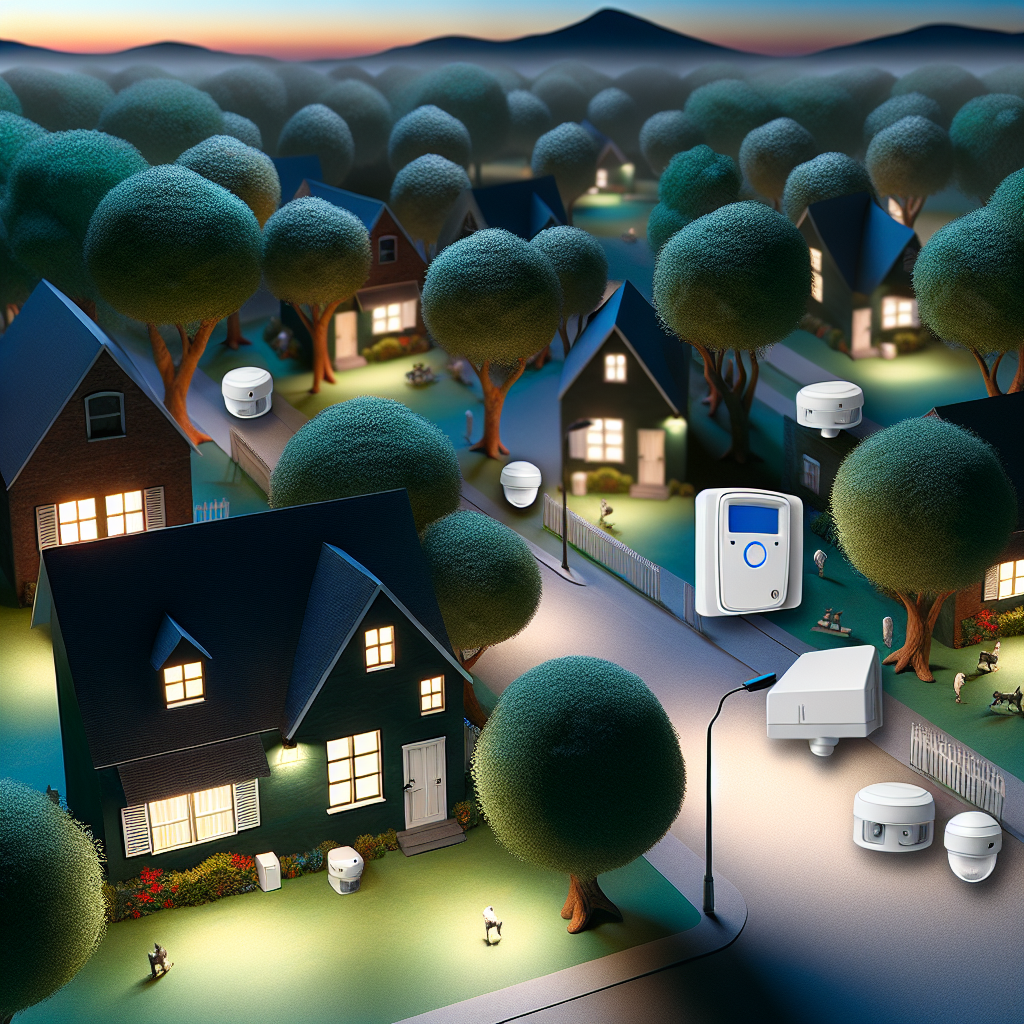
In today’s world, safety and security have become top priorities for homeowners. With the rise in crime rates and the constant threat of burglaries, it is essential to take necessary measures to protect our homes and loved ones. One of the most effective ways to ensure neighborhood safety is by installing a residential security system with motion sensors.
Motion sensors are an integral part of any residential security system. They work by detecting movement in a designated area and triggering an alarm or alerting the homeowner. These sensors are designed to detect any unauthorized entry into the property, making them an essential tool in maximizing neighborhood safety.
One of the main advantages of motion sensors is their ability to provide 24/7 surveillance. Unlike traditional security systems that rely on cameras or alarms, motion sensors are always active, making them a reliable source of protection. They can detect any movement, whether it’s day or night, and immediately alert the homeowner or the security company.
Moreover, motion sensors are highly customizable, allowing homeowners to set specific parameters for their security needs. For instance, they can be programmed to detect only human movement, ignoring any movement from pets or other animals. This feature ensures that false alarms are minimized, and the homeowner is only alerted when there is a genuine threat.
Another benefit of motion sensors is their ability to cover a large area. Depending on the type of sensor, they can detect movement in a range of up to 50 feet. This makes them ideal for outdoor use, where they can cover a significant portion of the property, including the front and backyards. With this wide coverage, homeowners can rest assured that their entire property is under constant surveillance.
In addition to providing 24/7 surveillance, motion sensors also act as a deterrent to potential burglars. The mere presence of these sensors can make a burglar think twice before attempting to break into a home. This is because they know that any movement will trigger an alarm, alerting the homeowner and possibly the authorities. As a result, homes with motion sensors are less likely to be targeted by burglars, making the neighborhood safer for everyone.
Furthermore, motion sensors can be integrated with other security features, such as cameras and lights, to provide a comprehensive security system. When a sensor is triggered, it can activate the cameras, allowing homeowners to see the intruder in real-time. This footage can be used as evidence in case of a break-in and can help authorities identify and catch the culprit.
Lastly, motion sensors are a cost-effective option for residential security. They are relatively affordable compared to other security measures, such as hiring security guards or installing a full-fledged surveillance system. Moreover, they require minimal maintenance, making them a long-term investment for homeowners.
In conclusion, residential security systems with motion sensors are an effective way to maximize neighborhood safety. With their 24/7 surveillance, customizable settings, wide coverage, and integration with other security features, they provide homeowners with peace of mind and a sense of security. By investing in a residential security system with motion sensors, homeowners can ensure the safety of their homes and their neighborhood.
How Smart Home Systems Enhance Home Protection and Security Monitoring
In today’s world, where technology is constantly advancing, it’s no surprise that smart home systems have become increasingly popular. These systems not only make our lives more convenient, but they also play a crucial role in enhancing home protection and security monitoring. One of the key components of these systems is motion sensors, which have proven to be an effective tool in maximizing residential security and ensuring neighborhood safety.
Motion sensors are devices that detect movement in a specific area and trigger an alarm or notification. They come in various forms, such as infrared, microwave, and ultrasonic sensors, and can be installed both indoors and outdoors. These sensors are an integral part of smart home systems, as they work in conjunction with other security devices, such as cameras, door and window sensors, and smart locks, to provide comprehensive protection for your home.
One of the main benefits of motion sensors is their ability to detect any unauthorized movement in and around your home. This is especially useful when you’re away from home, as the sensors can alert you and the authorities of any potential break-ins. With traditional security systems, burglars can easily bypass door and window sensors by breaking in through a different entry point. However, with motion sensors, any movement within the designated area will be detected, making it difficult for intruders to go undetected.
Moreover, motion sensors can also be programmed to differentiate between human and animal movement. This feature helps to reduce false alarms, which can be a nuisance for both homeowners and their neighbors. By setting the sensitivity level of the sensors, you can ensure that only significant movements, such as a person walking or a car pulling into your driveway, will trigger an alarm.
Another advantage of motion sensors is their ability to provide real-time alerts and notifications. With smart home systems, you can receive these alerts on your smartphone or other connected devices, no matter where you are. This allows you to take immediate action in case of an emergency, such as calling the police or checking your security cameras to assess the situation.
In addition to enhancing home security, motion sensors also play a crucial role in ensuring neighborhood safety. By installing these sensors in your home, you’re not only protecting your property but also contributing to the overall safety of your neighborhood. For instance, if your neighbor’s motion sensor is triggered, it could alert you and other neighbors in the vicinity, allowing everyone to be on high alert and potentially prevent a crime from occurring.
Furthermore, motion sensors can also be integrated with other smart home devices, such as lighting and thermostats, to create a more secure and energy-efficient home. For example, you can program your lights to turn on when motion is detected, giving the illusion that someone is home, even when you’re away. This can deter potential burglars from targeting your home. Additionally, you can also set your thermostat to adjust to a lower temperature when no movement is detected, helping you save on energy costs.
In conclusion, motion sensors are a crucial component of smart home systems that can greatly enhance residential security and ensure neighborhood safety. With their ability to detect unauthorized movement, provide real-time alerts, and integrate with other devices, motion sensors offer a comprehensive and efficient way to protect your home. So, if you’re looking to maximize your home’s security, consider investing in a smart home system with motion sensors.

