

“Upgrade your smart home system with 24/7 surveillance and ensure the effectiveness of your motion sensors at home. Don’t wait, take action now and get a free quote from AmericanSPD to maximize your home security. Click here to get started: https://www.americanspd.com/free-quote“
The Importance of 24/7 Surveillance in Residential Security
In today’s world, technology has become an integral part of our daily lives. From smartphones to smart homes, we are constantly surrounded by devices that make our lives easier and more convenient. One of the most significant advancements in technology has been the development of smart home systems. These systems allow homeowners to control and monitor various aspects of their homes, such as lighting, temperature, and security, with just a few taps on their smartphones. However, with the increasing number of smart homes, the need for 24/7 surveillance has become more crucial than ever before.
The concept of 24/7 surveillance may seem intrusive to some, but when it comes to residential security, it is a necessary measure. With the rise in crime rates, homeowners are looking for ways to ensure the safety of their families and their properties. This is where 24/7 surveillance comes into play. By having constant surveillance, homeowners can have peace of mind knowing that their homes are being monitored at all times.
One of the most significant benefits of 24/7 surveillance is its ability to maximize smart home systems. Smart home systems are designed to make our lives easier, but they can only do so much on their own. With 24/7 surveillance, these systems can be integrated with motion sensors, cameras, and other security devices to provide a comprehensive security solution. For instance, if a motion sensor detects any movement in the house, it can trigger the cameras to start recording and send an alert to the homeowner’s smartphone. This allows homeowners to take immediate action, whether it is calling the authorities or checking the live feed from the cameras.
Moreover, 24/7 surveillance can also ensure the effectiveness of motion sensors at home. Motion sensors are an essential component of any smart home security system. They detect any movement in the house and trigger an alarm, alerting the homeowner of potential intruders. However, without constant surveillance, these sensors may not be as effective. For instance, if a motion sensor is triggered, but there is no one monitoring the system, the alarm may go unnoticed, and the intruder may go undetected. With 24/7 surveillance, homeowners can be assured that any movement in their homes will be detected and responded to promptly.
Another crucial aspect of 24/7 surveillance is its ability to provide evidence in case of a break-in or any other security breach. With cameras and other surveillance devices constantly monitoring the house, there is always a record of any suspicious activity. This evidence can be crucial in identifying and catching the perpetrators. Moreover, it can also be used in insurance claims to prove the occurrence of a break-in and the extent of the damage caused.
Furthermore, 24/7 surveillance can also act as a deterrent for potential intruders. Knowing that a house is under constant surveillance can discourage criminals from attempting to break-in. They are more likely to target homes without any security measures in place. This not only protects the homeowners but also the entire neighborhood, as criminals are less likely to target an area with high levels of security.
In conclusion, 24/7 surveillance is an essential aspect of residential security, especially in the age of smart homes. It maximizes the effectiveness of smart home systems and ensures the proper functioning of motion sensors. It also provides evidence in case of a security breach and acts as a deterrent for potential intruders. With the advancements in technology, 24/7 surveillance has become more accessible and affordable, making it a must-have for any homeowner looking to ensure the safety of their family and their property.
How Motion Sensors Enhance Home Protection in Smart Home Systems
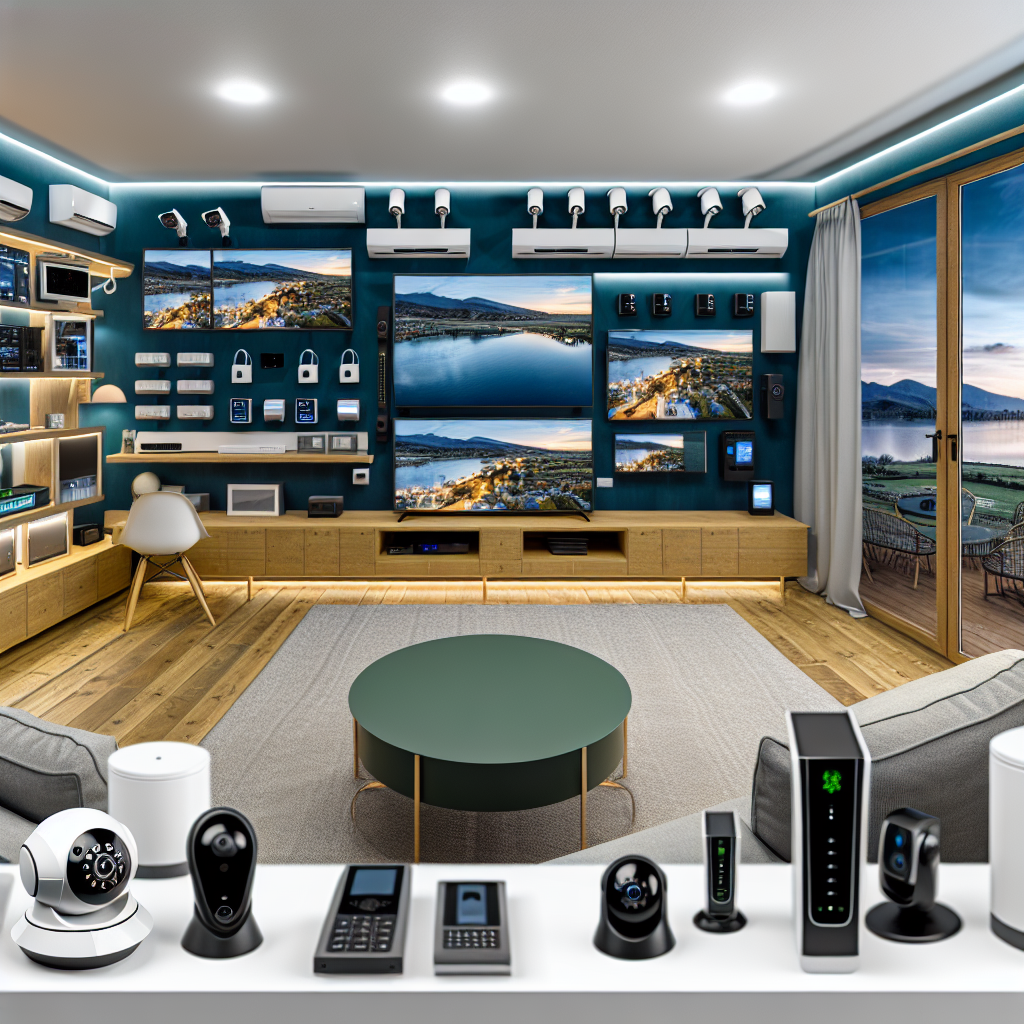
In today’s fast-paced world, technology has become an integral part of our daily lives. From smartphones to smart homes, we are constantly surrounded by devices that make our lives easier and more convenient. One of the most significant advancements in technology has been the development of smart home systems. These systems allow homeowners to control and monitor various aspects of their homes, such as lighting, temperature, and security, with just a few taps on their smartphones. Among the many features of smart home systems, motion sensors play a crucial role in enhancing home protection.
Motion sensors are devices that detect movement in a specific area and trigger an action, such as turning on lights or sounding an alarm. In smart home systems, motion sensors are integrated into the overall security system, making them an essential component of home protection. These sensors work by emitting infrared or microwave signals and detecting changes in the signals’ patterns caused by movement. They are highly sensitive and can detect even the slightest movement, making them an effective tool for home security.
One of the main advantages of motion sensors in smart home systems is their ability to provide 24/7 surveillance. Unlike traditional security systems that rely on cameras, motion sensors are always on, constantly monitoring the designated areas. This means that even when you are away from home, you can rest assured that your home is being monitored for any suspicious activity. With the rise of package thefts and break-ins, having 24/7 surveillance is crucial in ensuring the safety of your home and belongings.
Moreover, motion sensors can be integrated with other smart home devices, such as lights and cameras, to maximize their effectiveness. For example, when a motion sensor detects movement, it can trigger the lights to turn on, making it seem like someone is home. This can deter potential burglars and make your home less of a target. Additionally, motion sensors can also be connected to cameras, allowing you to receive real-time alerts and view live footage of any movement detected in your home. This feature is especially useful for homeowners who travel frequently or have valuable items in their homes.
Another benefit of motion sensors in smart home systems is their ability to save energy and reduce utility costs. These sensors can be programmed to turn off lights and other devices when no movement is detected in a room for a certain period. This not only saves energy but also reduces your electricity bill. Additionally, motion sensors can also be used to adjust the temperature in your home. For example, if no movement is detected in a room for a while, the sensor can signal the thermostat to adjust the temperature, saving energy and money.
In addition to providing 24/7 surveillance and energy-saving benefits, motion sensors also offer convenience and peace of mind. With the integration of smart home systems, you can receive alerts and notifications on your smartphone whenever a motion sensor is triggered. This allows you to stay informed about any activity in your home, even when you are not physically present. Furthermore, motion sensors can also be customized to suit your specific needs. For example, you can set different sensitivity levels for different areas of your home, depending on your preferences and the level of security required.
In conclusion, motion sensors are a crucial component of smart home systems, enhancing home protection in various ways. From providing 24/7 surveillance to saving energy and offering convenience, these sensors offer numerous benefits to homeowners. With the rise of smart home technology, motion sensors are becoming more advanced and affordable, making them accessible to a wider audience. As we continue to rely on technology for our daily needs, it is essential to utilize it to its full potential, especially when it comes to protecting our homes and loved ones.
Neighborhood Safety: The Role of Security Monitoring in 24/7 Surveillance for Homes
In today’s world, technology has become an integral part of our daily lives. From smartphones to smart homes, we are constantly surrounded by devices that make our lives easier and more convenient. One of the most significant advancements in technology has been the development of smart home systems. These systems allow homeowners to control and monitor various aspects of their homes, such as lighting, temperature, and security, with just a few taps on their smartphones. However, with the rise of smart homes, the need for 24/7 surveillance and security monitoring has become more crucial than ever before.
The concept of 24/7 surveillance may seem intrusive to some, but when it comes to the safety and security of our homes and neighborhoods, it is a necessary measure. With the help of advanced technology, homeowners can now have a constant eye on their homes, even when they are away. This not only gives them peace of mind but also ensures that their homes are protected at all times.
One of the most significant benefits of 24/7 surveillance is the use of motion sensors. These sensors are designed to detect any movement within a specific area and trigger an alarm or notification. In a smart home system, motion sensors can be integrated with other devices, such as cameras and lights, to provide a comprehensive security solution. For instance, if a motion sensor detects movement in the backyard, it can turn on the outdoor lights and send a notification to the homeowner’s smartphone. This not only alerts the homeowner but also deters potential intruders.
Moreover, 24/7 surveillance can also maximize the effectiveness of smart home systems. With constant monitoring, homeowners can identify any issues or malfunctions in their smart home devices and address them promptly. For example, if a camera stops working, the homeowner can be notified immediately and take necessary actions to fix it. This ensures that the smart home system is always functioning correctly, providing optimal security for the home.
Another crucial aspect of 24/7 surveillance is the role it plays in neighborhood safety. With the rise of smart homes, neighborhoods are becoming more interconnected, with homeowners sharing information and monitoring each other’s homes. This creates a sense of community and promotes a safer environment for everyone. For instance, if a neighbor’s motion sensor is triggered, they can alert other neighbors in the area, who can then keep an eye out for any suspicious activity. This type of collaboration and communication can significantly enhance the security of a neighborhood.
Furthermore, 24/7 surveillance can also aid law enforcement in solving crimes. With the use of cameras and other surveillance devices, homeowners can capture footage of any criminal activity in their neighborhood. This footage can then be shared with the authorities, providing valuable evidence and helping them identify and apprehend suspects. In some cases, the mere presence of surveillance cameras can act as a deterrent for potential criminals, making the neighborhood a less attractive target for crime.
In conclusion, 24/7 surveillance is a crucial aspect of smart home systems and plays a significant role in ensuring the safety and security of homes and neighborhoods. With the use of motion sensors, constant monitoring, and collaboration among neighbors, homeowners can have peace of mind knowing that their homes are protected at all times. Additionally, 24/7 surveillance can also aid in maximizing the effectiveness of smart home systems and assist law enforcement in solving crimes. As technology continues to advance, it is essential to embrace these advancements and utilize them to create a safer and more secure environment for ourselves and our communities.

