
“Ensure your workplace is compliant with OSHA standards and effectively manages hazards by prioritizing emergency response. Don’t wait until it’s too late. Get a free quote from AmericanSPD today and take the first step towards a safer and more compliant workplace. Click here to get started: https://www.americanspd.com/free-quote“
The Importance of Emergency Response Plans in Meeting OSHA Standards for Workplace Safety Compliance
In today’s fast-paced and ever-changing work environment, it is crucial for companies to prioritize the safety and well-being of their employees. This not only ensures a healthy and productive workforce, but it also helps companies comply with regulations set by the Occupational Safety and Health Administration (OSHA). One key aspect of OSHA standards is the requirement for companies to have an emergency response plan in place. In this article, we will explore the importance of emergency response plans in meeting OSHA standards for workplace safety compliance.
First and foremost, having an emergency response plan is critical for the safety of employees in the event of an emergency. Emergencies can happen at any time and in any workplace, whether it is a natural disaster, a chemical spill, or a workplace accident. Without a proper plan in place, employees may panic and not know what to do, leading to chaos and potentially putting themselves and others in danger. An emergency response plan outlines the necessary steps and procedures to be followed in case of an emergency, ensuring that everyone knows what to do and where to go. This not only helps prevent injuries and fatalities but also minimizes property damage and business disruptions.
Moreover, having an emergency response plan is a requirement for OSHA compliance. OSHA has specific standards and regulations that companies must follow to ensure the safety and health of their employees. These standards include having an emergency action plan, which outlines the procedures to be followed in case of an emergency. Failure to comply with these standards can result in penalties and fines for the company. By having a well-developed emergency response plan, companies can ensure that they are meeting OSHA standards and avoiding any potential legal consequences.
Another important aspect of emergency response plans is hazard management. Hazard management is the process of identifying, assessing, and controlling potential hazards in the workplace. This includes not only physical hazards but also chemical, biological, and ergonomic hazards. An emergency response plan should include a hazard assessment, which identifies potential hazards and outlines the necessary steps to control and mitigate them. By having a hazard assessment as part of the emergency response plan, companies can ensure that they are proactively addressing potential risks and creating a safer work environment for their employees.
Furthermore, emergency response plans are not a one-time task. They require regular review and updates to ensure their effectiveness. As workplaces and hazards can change over time, it is crucial for companies to regularly review and update their emergency response plans. This not only helps keep the plan relevant and effective but also shows a commitment to continuous improvement and compliance with OSHA standards.
In addition to meeting OSHA standards, having an emergency response plan can also have other benefits for companies. It can help improve communication and coordination among employees, increase employee morale and confidence, and enhance the company’s reputation as a safe and responsible workplace. It can also help companies save time and money in the long run by preventing or minimizing the impact of emergencies.
In conclusion, emergency response plans are critical for meeting OSHA standards and ensuring workplace safety compliance. They not only help protect employees in case of an emergency but also show a commitment to meeting regulatory requirements and creating a safe work environment. Companies should prioritize developing and regularly reviewing their emergency response plans to ensure the safety and well-being of their employees.
Hazard Management Strategies for Ensuring OSHA Standards and Protecting Workers in Emergency Situations
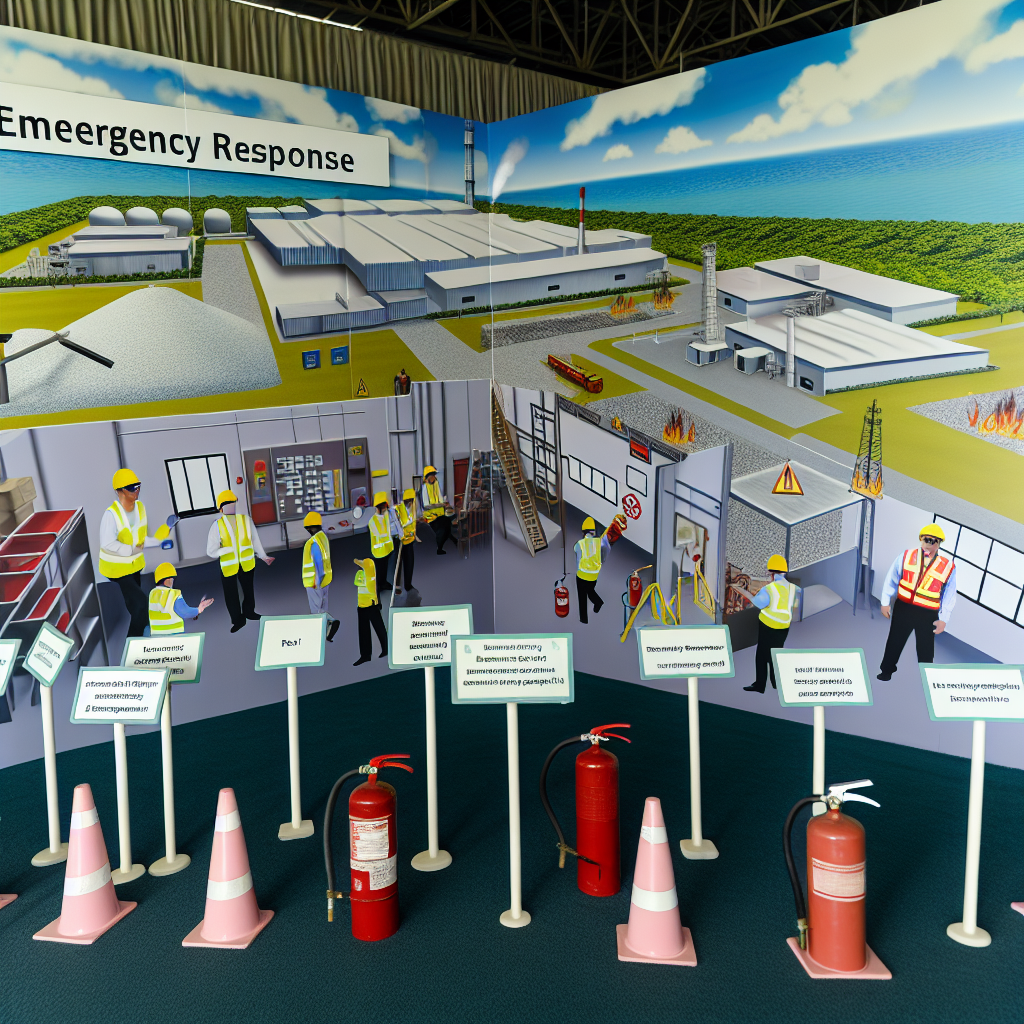
In any workplace, the safety and well-being of employees should be a top priority. This is especially true when it comes to emergency situations, where quick and effective response can mean the difference between life and death. As such, it is crucial for companies to not only comply with OSHA standards, but also have proper hazard management strategies in place to protect their workers in emergency situations.
OSHA, or the Occupational Safety and Health Administration, is a federal agency that sets and enforces safety and health standards for workplaces in the United States. These standards cover a wide range of hazards, from chemical exposure to fall protection, and are designed to ensure the safety of workers in all industries. Compliance with OSHA standards is not only a legal requirement, but also a moral obligation for employers.
One of the key aspects of OSHA standards is emergency response. This includes having a written emergency action plan, providing proper training to employees, and conducting regular drills to ensure preparedness. These measures are crucial in emergency situations, as they can help prevent injuries and save lives.
Having a written emergency action plan is the first step in ensuring compliance with OSHA standards. This plan should outline the procedures to be followed in the event of an emergency, such as a fire, natural disaster, or workplace violence. It should also include evacuation routes, designated meeting points, and emergency contact information. This plan should be easily accessible to all employees and regularly reviewed and updated as needed.
Proper training is another crucial aspect of emergency response compliance. All employees should be trained on the emergency action plan and their roles and responsibilities in the event of an emergency. This includes knowing how to use emergency equipment, such as fire extinguishers or first aid kits, and understanding evacuation procedures. Regular training sessions should be conducted to ensure that employees are prepared and aware of any changes to the emergency action plan.
Conducting regular drills is also essential for emergency response compliance. These drills should simulate different emergency scenarios and allow employees to practice their roles and responsibilities. This not only helps to identify any weaknesses in the emergency action plan, but also familiarizes employees with the procedures, making them more effective in a real emergency situation.
In addition to complying with OSHA standards, having proper hazard management strategies in place is crucial for protecting workers in emergency situations. Hazard management involves identifying potential hazards in the workplace and taking steps to eliminate or minimize them. This can include implementing safety protocols, providing personal protective equipment, and conducting regular safety inspections.
One of the most effective hazard management strategies is the use of safety protocols. These are specific procedures that employees must follow to ensure their safety in hazardous situations. For example, in the event of a chemical spill, employees should know to evacuate the area and follow proper decontamination procedures. By having these protocols in place, companies can minimize the risk of injuries and ensure compliance with OSHA standards.
Providing personal protective equipment (PPE) is another important aspect of hazard management. PPE includes items such as hard hats, safety glasses, and respirators, and is designed to protect workers from specific hazards. Employers are responsible for providing appropriate PPE to their employees and ensuring that it is used correctly. Regular training on the proper use and maintenance of PPE should also be conducted.
Conducting regular safety inspections is also crucial for hazard management. These inspections should identify any potential hazards and allow for corrective action to be taken before an emergency occurs. This can include fixing faulty equipment, addressing safety hazards, and ensuring that emergency equipment is in good working condition.
In conclusion, emergency response is critical for both OSHA standards compliance and hazard management in the workplace. By having a written emergency action plan, providing proper training, conducting regular drills, and implementing hazard management strategies, companies can ensure the safety of their employees in emergency situations. Compliance with OSHA standards and effective hazard management not only protects workers, but also promotes a positive and responsible work culture.
The Role of Protective Equipment in Emergency Response and OSHA Compliance for Industrial Safety and Hazard Management
In the world of industrial safety and hazard management, emergency response is a critical component for ensuring compliance with OSHA standards. The Occupational Safety and Health Administration (OSHA) is a federal agency that sets and enforces regulations to protect workers from hazards in the workplace. These regulations cover a wide range of industries, from construction to manufacturing to healthcare.
One of the key aspects of OSHA compliance is the use of protective equipment in emergency response situations. This equipment is designed to protect workers from potential hazards and ensure their safety during emergency situations. In this article, we will explore the role of protective equipment in emergency response and how it relates to OSHA compliance for industrial safety and hazard management.
First and foremost, it is important to understand the purpose of protective equipment in emergency response. This equipment is designed to protect workers from potential hazards that may arise during an emergency situation. This can include anything from chemical spills to fires to natural disasters. The goal of protective equipment is to minimize the risk of injury or illness to workers and ensure their safety during these critical moments.
When it comes to OSHA compliance, the use of protective equipment is not only recommended but also required in many cases. OSHA has specific regulations that outline the types of protective equipment that must be used in different industries and situations. For example, in the construction industry, workers are required to wear hard hats, safety glasses, and steel-toed boots to protect themselves from falling objects and other hazards. Failure to comply with these regulations can result in fines and penalties for the employer.
In addition to OSHA regulations, there are also industry-specific standards for protective equipment in emergency response. For example, the National Fire Protection Association (NFPA) has established standards for protective clothing and equipment for firefighters. These standards outline the specific types of gear that must be worn during different types of emergencies, such as structural fires or hazardous material spills.
Another important aspect of protective equipment in emergency response is proper training and maintenance. It is not enough to simply provide workers with the necessary gear; they must also be trained on how to use it correctly and maintain it properly. This includes regular inspections and replacements of worn or damaged equipment. OSHA requires employers to provide training on the proper use and maintenance of protective equipment to ensure the safety of their workers.
In addition to protecting workers, the use of protective equipment in emergency response can also help companies avoid costly lawsuits and damage to their reputation. In the event of an emergency, if a worker is injured due to a lack of proper protective equipment, the company could face legal action and negative publicity. By ensuring compliance with OSHA standards and providing workers with the necessary protective equipment, companies can protect themselves from these potential consequences.
In conclusion, emergency response is a critical aspect of OSHA compliance for industrial safety and hazard management. Protective equipment plays a vital role in this process by protecting workers from potential hazards and ensuring their safety during emergency situations. Employers must not only comply with OSHA regulations but also provide proper training and maintenance of protective equipment to ensure the safety of their workers. By prioritizing emergency response and the use of protective equipment, companies can not only comply with regulations but also protect their workers and their reputation.

