
“Protective equipment and safety compliance are crucial for emergency response. Don’t wait until it’s too late, ensure your organization is prepared and compliant. Get a free quote from AmericanSPD today and take the first step towards a safer workplace. Click here to get started: https://www.americanspd.com/free-quote“
The Importance of Emergency Response Plans in Ensuring Workplace Safety Compliance
In today’s fast-paced and ever-changing work environment, workplace safety compliance has become a top priority for organizations. With the rise of accidents and injuries in the workplace, it has become crucial for companies to have effective emergency response plans in place. These plans not only ensure the safety of employees but also help organizations comply with safety regulations and standards.
Emergency response plans are comprehensive strategies that outline the necessary steps to be taken in case of an emergency. They cover a wide range of potential hazards, including natural disasters, fires, chemical spills, and medical emergencies. These plans are designed to minimize the impact of an emergency and protect the well-being of employees, visitors, and the surrounding community.
One of the main reasons why emergency response plans are critical for safety compliance is that they help organizations meet legal requirements. In many countries, there are strict regulations and standards that companies must adhere to in terms of workplace safety. Failure to comply with these regulations can result in hefty fines, legal action, and damage to the company’s reputation. By having a well-developed emergency response plan, organizations can demonstrate their commitment to safety compliance and avoid any legal consequences.
Moreover, emergency response plans are essential for protecting the health and well-being of employees. In the event of an emergency, every second counts, and having a plan in place can save lives. These plans outline the necessary procedures for evacuating the building, providing first aid, and contacting emergency services. They also identify potential hazards and provide guidance on how to mitigate them. By having a clear and concise emergency response plan, organizations can ensure that their employees are well-informed and prepared to handle any emergency situation.
Another crucial aspect of emergency response plans is that they help organizations minimize the impact of an emergency on their operations. In the event of a disaster, businesses can suffer significant financial losses due to property damage, business interruption, and loss of productivity. By having a plan in place, organizations can quickly assess the situation and take appropriate measures to minimize the impact on their operations. This can include having backup systems in place, identifying alternative work locations, and implementing business continuity plans.
Furthermore, emergency response plans are essential for maintaining a positive reputation and building trust with stakeholders. In today’s digital age, news of workplace accidents and injuries can spread quickly, damaging a company’s reputation and credibility. By having a well-developed emergency response plan, organizations can demonstrate their commitment to the safety and well-being of their employees. This can help build trust with customers, investors, and the community, ultimately enhancing the company’s reputation.
In conclusion, emergency response plans are critical for ensuring workplace safety compliance. They not only help organizations meet legal requirements but also protect the health and well-being of employees, minimize the impact of emergencies on operations, and maintain a positive reputation. It is essential for companies to regularly review and update their emergency response plans to ensure they are effective and in line with current safety regulations. By prioritizing emergency response planning, organizations can create a safe and secure work environment for their employees and demonstrate their commitment to safety compliance.
Protective Equipment: A Vital Component of Emergency Response in Hazard Management
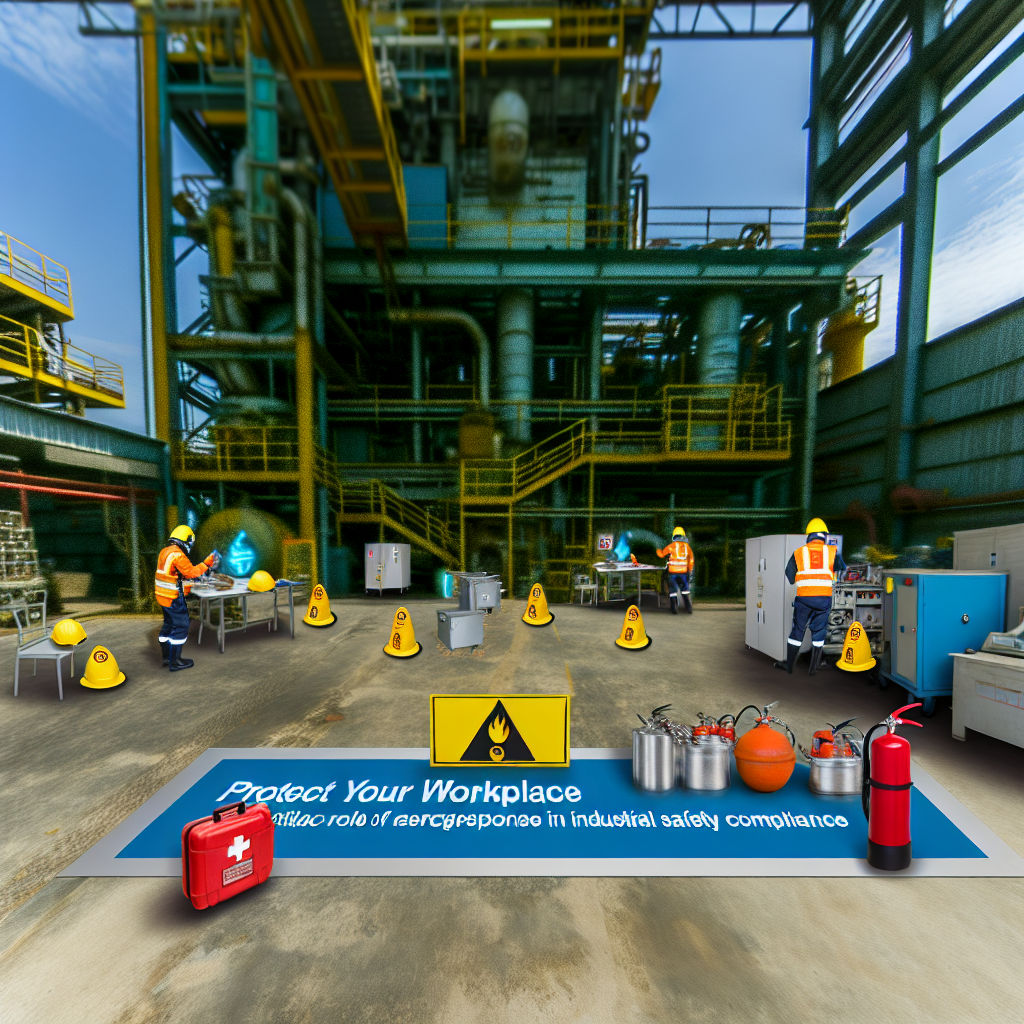
In today’s world, emergency situations can occur at any time and in any place. From natural disasters to industrial accidents, these events can have devastating consequences if not handled properly. That’s why emergency response is critical for protective equipment and safety compliance. In this article, we will explore the importance of protective equipment in emergency response and how it plays a vital role in hazard management.
First and foremost, it is essential to understand what protective equipment is and why it is necessary. Protective equipment, also known as personal protective equipment (PPE), refers to any equipment or clothing designed to protect the wearer from potential hazards in the workplace or during an emergency. This can include items such as helmets, gloves, goggles, respirators, and more. The purpose of PPE is to minimize the risk of injury or illness to individuals in hazardous environments.
During an emergency, the use of protective equipment becomes even more critical. In situations such as fires, chemical spills, or natural disasters, individuals may be exposed to various hazards, including smoke, toxic chemicals, or debris. Without proper protective equipment, these individuals are at a higher risk of injury or illness. Therefore, emergency response teams must be equipped with the necessary PPE to ensure their safety while responding to the situation.
Moreover, protective equipment is not only crucial for the safety of emergency responders but also for the general public. In the event of a disaster, emergency responders are responsible for protecting and assisting the affected population. However, they cannot do so effectively if they are not adequately protected themselves. By wearing PPE, emergency responders can minimize their exposure to hazards and carry out their duties safely and efficiently.
In addition to protecting individuals, PPE also plays a vital role in safety compliance. In many industries, there are strict regulations and standards in place to ensure the safety of workers. These regulations often require the use of specific PPE in hazardous environments. Failure to comply with these regulations can result in penalties, fines, and even legal action. Therefore, emergency response teams must be equipped with the necessary PPE to comply with safety regulations and ensure the safety of their team members.
Furthermore, PPE is not a one-size-fits-all solution. Different emergencies may require different types of protective equipment. For example, a fire emergency may require firefighters to wear heat-resistant suits and breathing apparatus, while a chemical spill may require the use of hazmat suits and respirators. Emergency response teams must be trained to identify the type of PPE needed for each situation and ensure that they have it readily available.
It is also essential to note that PPE is not a substitute for proper emergency response training. While protective equipment can minimize the risk of injury or illness, it cannot eliminate it entirely. Emergency responders must undergo regular training to ensure they know how to use PPE correctly and respond to emergencies effectively. This training should also include proper maintenance and inspection of PPE to ensure it is in good working condition when needed.
In conclusion, emergency response is critical for protective equipment and safety compliance. PPE plays a vital role in protecting individuals and ensuring their safety during emergencies. It is also necessary for safety compliance and can help emergency response teams carry out their duties effectively. Therefore, it is crucial for organizations and individuals to prioritize the use of proper protective equipment in emergency situations. By doing so, we can minimize the risk of injury or illness and ensure the safety of everyone involved.
Meeting OSHA Standards: The Role of Emergency Response in Industrial Safety and Workplace Protection
In any workplace, safety should always be a top priority. This is especially true in industrial settings where employees are exposed to potential hazards on a daily basis. In order to ensure the safety of workers, the Occupational Safety and Health Administration (OSHA) has set standards and regulations that employers must comply with. These standards cover a wide range of safety measures, including the use of personal protective equipment (PPE) and emergency response protocols.
One of the key components of OSHA standards is the requirement for employers to have an emergency response plan in place. This plan outlines the necessary steps to be taken in the event of an emergency, such as a fire, chemical spill, or natural disaster. The goal of this plan is to minimize the risk of injury or death to employees and to protect the workplace from further damage.
Having a well-developed emergency response plan is critical for compliance with OSHA standards. It not only ensures the safety of employees, but it also demonstrates a commitment to workplace safety and compliance. In fact, failure to have an emergency response plan in place can result in serious penalties and fines from OSHA.
One of the key elements of an emergency response plan is the use of PPE. This includes items such as hard hats, safety glasses, gloves, and respirators. PPE is designed to protect workers from specific hazards that they may encounter on the job. For example, in a chemical plant, employees may be required to wear chemical-resistant suits and respirators to protect them from exposure to hazardous chemicals.
In addition to providing PPE, employers must also ensure that their employees are trained on how to properly use and maintain the equipment. This includes knowing when to replace worn or damaged PPE and how to properly clean and store it. Without proper training, employees may not be adequately protected, which can lead to serious injuries or illnesses.
Another important aspect of emergency response is having a designated team or individual responsible for coordinating and implementing the plan. This person should be well-trained and have a thorough understanding of the emergency response procedures. They should also be able to communicate effectively with employees and emergency responders in the event of an emergency.
Regular drills and exercises should also be conducted to test the effectiveness of the emergency response plan. This allows for any necessary adjustments to be made and ensures that employees are familiar with the procedures in case of a real emergency. It is also important to review and update the plan regularly to account for any changes in the workplace or potential hazards.
In addition to complying with OSHA standards, having a well-developed emergency response plan can also have a positive impact on employee morale. When employees feel that their safety is a top priority, they are more likely to feel valued and motivated in their work. This can lead to increased productivity and a positive work environment.
In conclusion, emergency response is critical for compliance with OSHA standards and for ensuring the safety of employees in industrial settings. Employers must have a well-developed emergency response plan in place, provide appropriate PPE, and ensure that employees are trained and familiar with the procedures. Regular drills and updates to the plan are also necessary to maintain its effectiveness. By prioritizing emergency response, employers can not only comply with regulations, but also create a safer and more productive workplace for their employees.

