
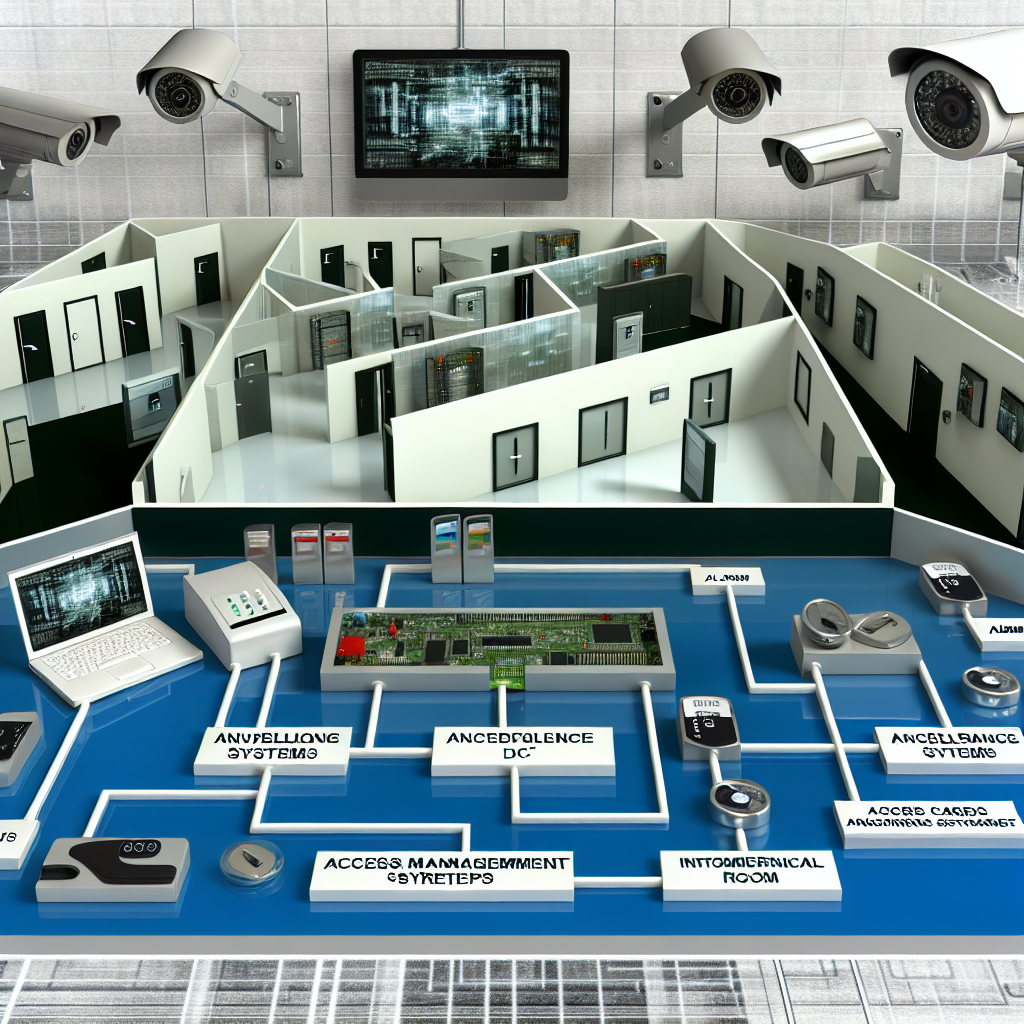
“Protect your business with essential alarm systems strategies for enterprise surveillance and access management. Don’t wait until it’s too late, take action now and get a free quote from AmericanSPD. Click here to secure your business today: https://www.americanspd.com/free-quote“
Maximizing Corporate Safety: The Importance of Regular Security Audits for Enterprise Surveillance and Access Management
In today’s fast-paced and ever-changing business landscape, ensuring the safety and security of a company’s assets and personnel is of utmost importance. With the rise of technology and the increasing threat of cyber attacks, it has become essential for businesses to have a robust alarm system in place. This not only includes physical security measures but also effective surveillance and access management strategies.
One crucial aspect of maintaining a secure business environment is conducting regular security audits. These audits help identify any vulnerabilities in the existing security system and provide an opportunity to make necessary improvements. In this article, we will discuss the importance of regular security audits for enterprise surveillance and access management and how they can help maximize corporate safety.
First and foremost, security audits allow businesses to stay updated with the latest security trends and technologies. As the threat landscape evolves, so should the security measures in place. Regular audits help identify any outdated or ineffective security systems and replace them with more advanced and efficient ones. This ensures that the business is well-equipped to handle any potential security threats.
Moreover, security audits also help in identifying any gaps or weaknesses in the existing security system. These gaps can be in the form of outdated software, weak passwords, or lack of proper access controls. By conducting regular audits, businesses can address these issues and strengthen their security measures. This not only helps in preventing potential security breaches but also ensures compliance with industry regulations and standards.
Another significant benefit of regular security audits is that they provide an opportunity to assess the effectiveness of the current surveillance and access management strategies. With the advancement of technology, there are now various options available for surveillance and access control, such as biometric systems and remote monitoring. By conducting audits, businesses can evaluate the effectiveness of their current strategies and make necessary changes to improve them.
Furthermore, security audits also help in identifying any insider threats. These threats can come from current or former employees who may have access to sensitive information or systems. By conducting regular audits, businesses can monitor and track employee activities and identify any suspicious behavior. This can help prevent any potential data breaches or sabotage from within the organization.
In addition to identifying vulnerabilities and weaknesses, security audits also help in optimizing the existing security system. By analyzing the data collected during the audit, businesses can identify any redundancies or inefficiencies in their security measures. This can help in streamlining the security system and making it more cost-effective.
Moreover, regular security audits also play a crucial role in maintaining customer trust and loyalty. With the increasing number of data breaches and cyber attacks, customers have become more conscious about the security practices of the businesses they interact with. By conducting regular audits and ensuring the safety of their data, businesses can build a reputation for being trustworthy and reliable.
In conclusion, regular security audits are an essential aspect of enterprise surveillance and access management. They not only help in identifying vulnerabilities and weaknesses but also provide an opportunity to optimize and improve the existing security system. By staying updated with the latest security trends and technologies, businesses can ensure the safety and security of their assets and personnel. In today’s digital age, where security threats are constantly evolving, regular security audits are a crucial strategy for maximizing corporate safety.
Staying Ahead of the Game: Essential Alarm Systems Strategies for Business Protection in Modern Enterprises

In today’s fast-paced and ever-changing business landscape, it is crucial for enterprises to stay ahead of the game when it comes to protecting their assets and ensuring the safety of their employees. With the rise of technology and the increasing sophistication of criminals, traditional security measures are no longer enough to keep businesses safe. This is where alarm systems come into play, providing an essential layer of protection for modern enterprises.
One of the key strategies for effective alarm systems in enterprise surveillance and access management is to have a comprehensive and integrated approach. This means having a system that not only detects and alerts of potential threats but also has the capability to respond and mitigate them. This can include features such as remote monitoring, real-time alerts, and the ability to remotely control access to the premises.
Another crucial aspect of alarm systems in modern businesses is their ability to integrate with other security measures. This can include CCTV cameras, access control systems, and even biometric authentication. By having a cohesive and interconnected security system, businesses can have a more holistic approach to their security, making it more effective and efficient.
In addition to integration, it is also essential for businesses to regularly update and upgrade their alarm systems. As technology advances, so do the methods used by criminals to bypass security measures. By regularly updating and upgrading their alarm systems, businesses can stay ahead of potential threats and ensure that their security measures are up to date.
One of the most significant advantages of modern alarm systems is their ability to provide real-time alerts. This means that businesses can be immediately notified of any potential threats, allowing them to take swift action and prevent any security breaches. This can include alerts for unauthorized access attempts, motion detection, and even fire or smoke detection.
Another crucial aspect of alarm systems in modern enterprises is their ability to provide remote monitoring. This means that businesses can keep an eye on their premises even when they are not physically present. With the use of mobile apps and remote access, business owners and security personnel can monitor their premises from anywhere, at any time. This not only provides peace of mind but also allows for quick response and action in case of any security breaches.
In addition to remote monitoring, modern alarm systems also offer the ability to remotely control access to the premises. This means that businesses can grant or revoke access to specific areas of their premises remotely, without the need for physical keys or access cards. This not only adds an extra layer of security but also allows for more efficient management of access control.
When it comes to enterprise surveillance and access management, it is also essential for businesses to have a robust backup and disaster recovery plan in place. This means having redundant systems and backups in case of any system failures or malfunctions. By having a backup plan, businesses can ensure that their security measures are always up and running, even in the event of a technical issue.
In conclusion, alarm systems play a crucial role in modern businesses’ security and protection. By having a comprehensive and integrated approach, regularly updating and upgrading, and utilizing features such as real-time alerts, remote monitoring, and access control, businesses can stay ahead of potential threats and ensure the safety of their assets and employees. With the ever-evolving landscape of technology and security, it is essential for businesses to stay vigilant and continuously adapt their security measures to stay ahead of the game.
Efficient Access Management: How Alarm Systems Can Enhance Commercial Security in Today’s Businesses
In today’s fast-paced and ever-changing business landscape, security is a top priority for enterprises of all sizes. With the rise of cyber threats and physical security risks, it has become essential for businesses to implement efficient access management strategies to protect their assets and ensure the safety of their employees.
One of the most effective ways to enhance commercial security is through the use of alarm systems. These systems not only act as a deterrent for potential intruders but also provide real-time alerts and notifications in case of any security breaches. In this article, we will discuss the essential alarm system strategies that modern businesses can adopt to strengthen their surveillance and access management.
First and foremost, it is crucial for businesses to conduct a thorough risk assessment to identify potential security threats and vulnerabilities. This assessment should cover all aspects of the business, including physical security, network security, and employee access management. By understanding the potential risks, businesses can develop a comprehensive security plan that includes the use of alarm systems.
When it comes to alarm systems, there are various options available in the market, ranging from basic motion sensors to advanced biometric access control systems. It is essential for businesses to choose a system that best suits their needs and budget. For instance, a small retail store may only require a basic alarm system with motion sensors, while a large corporation may need a more sophisticated system with multiple layers of security.
Once the alarm system is installed, it is crucial to regularly test and maintain it to ensure its effectiveness. This includes checking for any faulty sensors, updating software, and conducting regular drills to train employees on how to respond in case of an emergency. By regularly maintaining the alarm system, businesses can ensure that it is always ready to respond to any security threats.
Another crucial aspect of efficient access management is the integration of alarm systems with other security measures. For instance, businesses can integrate their alarm systems with CCTV cameras to provide a visual of any security breaches. This not only helps in identifying potential threats but also provides evidence in case of any criminal activity.
Moreover, businesses can also integrate their alarm systems with access control systems to restrict entry to authorized personnel only. This can be done through the use of key cards, biometric scanners, or even facial recognition technology. By limiting access to certain areas of the business, businesses can prevent unauthorized access and protect sensitive information.
In addition to physical security, alarm systems can also play a crucial role in network security. With the rise of cyber threats, businesses must protect their digital assets as well. By integrating alarm systems with network security measures, businesses can receive real-time alerts in case of any suspicious activity on their network. This can help in preventing data breaches and other cyber attacks.
Lastly, it is essential for businesses to have a proper emergency response plan in place in case of any security breaches. This plan should include the steps to be taken in case of an alarm activation, such as contacting the authorities and evacuating the premises. By having a well-defined emergency response plan, businesses can minimize the impact of any security threats and ensure the safety of their employees.
In conclusion, efficient access management is crucial for businesses to protect their assets and ensure the safety of their employees. By implementing the right alarm system strategies, businesses can enhance their commercial security and stay one step ahead of potential threats. Regular risk assessments, proper maintenance, integration with other security measures, and a well-defined emergency response plan are all essential components of a robust security plan that can help businesses thrive in today’s competitive business landscape.

