Home security systems Houston are a key investment for ensuring safety and peace of mind in today’s world. Whether you’re looking to secure residential or commercial properties, Houston offers a variety of innovative solutions custom to meet your needs. As a busy city with diverse neighborhoods, incorporating advanced technology and reliable monitoring systems can significantly improve security and deter crime.
With security needs constantly evolving, finding the right system means considering features like seamless smart home integration and robust customer service. For someone like Sarah Thompson, a property manager juggling multiple locations, this means choosing a solution that not only protects tenants but also simplifies management.
Houston’s leading security firms, such as American S.E.A.L. Patrol Division, provide comprehensive options—from intrusion detection to advanced home automation. Prioritizing security doesn’t just prevent potential threats; it also improves property value and tenant satisfaction by creating a secure environment.

Related content about home security systems Houston:
– apartment security camera systems
– business surveillance camera systems
When it comes to home security systems in Houston, understanding the basics can make all the difference. Let’s break it down into three key areas: installation, monitoring, and smart home integration.
Setting up a home security system might seem daunting, but it doesn’t have to be. Many companies offer professional installation services, ensuring that your system is configured correctly from the start. This means peace of mind, knowing that every sensor and camera is in the right place. Some systems even offer same-day installation, so you can start protecting your home immediately.
For those who prefer a hands-on approach, there are also DIY kits available. These kits can be a cost-effective option and often come with step-by-step instructions that make the process straightforward.
Monitoring is the heart of any security system. It’s what ensures your property is always being watched, even when you’re not around.
24/7 monitoring services provided by companies like American S.E.A.L. Patrol Division offer constant surveillance. This means that if an alarm is triggered, a trained professional will notify you and the relevant emergency services immediately.
For those who want more control, self-monitoring options are also available. These systems send alerts directly to your smartphone, allowing you to decide the next steps.
In today’s connected world, smart home integration is a game-changer. Imagine controlling your security system, lights, locks, and thermostat all from one app. This is possible with smart home technology.
Z-Wave devices and systems compatible with Alexa and Google Home allow for seamless integration. You can set automated schedules for your devices, receive alerts for unexpected activity, and even arm your security system remotely.
Moreover, features like Bluetooth touchless disarming and dual path connectivity ensure that your system is both user-friendly and highly secure.

Incorporating these elements into your home security system can provide not only safety but also convenience and efficiency. As technology evolves, so do the ways we protect our homes, making it easier than ever to find a solution that fits your lifestyle.
Next, we’ll dig into the key features that make home security systems in Houston stand out from the rest.
When it comes to home security systems in Houston, several key features can significantly improve your safety and peace of mind. Let’s explore three essential aspects: 24/7 monitoring, rapid response, and cutting-edge technology.
Imagine knowing that your home is being watched over every minute of the day. 24/7 monitoring offers just that. With constant surveillance, any unusual activity triggers an immediate alert to a monitoring center. This feature is crucial for ensuring your home is protected at all times, even when you’re away.
For example, American S.E.A.L. Patrol Division provides round-the-clock monitoring services. This means that if your alarm goes off, trained professionals are ready to respond instantly. They can notify you and contact emergency services if necessary. This continuous oversight is a cornerstone of effective home security.
In the event of an emergency, every second counts. Rapid response is a critical component of a robust security system. With the right setup, help is just moments away.
Consider systems equipped with smash & crash protection. Even if an intruder attempts to destroy your control panel, the system will still send an emergency signal. This ensures that the response team is alerted without delay, providing an extra layer of security.
Technology is at the heart of modern home security systems. Advanced features not only improve protection but also offer convenience.
Take the IQ2 panel as an example. This ultra-thin touchscreen device integrates seamlessly with smart home devices. It supports Z-Wave technology, allowing you to control locks, lights, and thermostats from a single app. Plus, it offers dual path connectivity using both LTE cellular wireless and WiFi. This ensures faster interaction with your smartphone and reliable operation even if one connection fails.
Moreover, with Power G sensors, you get military-grade encryption and a 1-mile range. These sensors are designed to circumvent interference from other devices, guaranteeing that your signals are never blocked.

Incorporating these features into your home security system can transform your house into a fortress. With continuous monitoring, swift emergency responses, and state-of-the-art technology, you’ll have the peace of mind that comes from knowing your home is well-protected.
Next, we’ll explore the top home security systems in Houston, highlighting options for self-monitoring, professional installation, and smart home automation.
When choosing a home security system in Houston, you have several options, each offering unique benefits. Let’s explore self-monitoring, professional installation, and smart home automation to see which might be right for you.
Self-monitoring systems are perfect for those who like to keep a close eye on their home. These systems allow you to monitor your property directly from your smartphone or tablet.
With self-monitoring, you receive alerts and notifications about any unusual activity. You can then decide if you need to contact emergency services. This option offers flexibility and control, but remember, the responsibility is entirely on you to respond to alerts.
For those who prefer a hands-off approach, professional installation is an excellent choice. This service ensures that all components of your security system are installed correctly and function as intended.
American S.E.A.L. Patrol Division, for example, provides expert installation services. Their team can handle everything from setting up your system to ensuring all devices are interconnected. This professional touch guarantees that your home security system is reliable and effective, giving you peace of mind.
Smart home automation takes security to the next level by integrating various home functions into one system. This means your lights, locks, thermostats, and even garage doors can be controlled through a single app.
With systems like the IQ2 panel, you can enjoy features like Bluetooth touchless disarming and disarm photos from built-in panel cameras. This level of integration not only improves security but also adds convenience to your daily life. Plus, with compatibility for devices like indoor/outdoor cameras and Z-Wave locks, your home becomes a smart fortress.
In summary, whether you prefer the control of self-monitoring, the assurance of professional installation, or the convenience of smart home automation, there’s a home security system in Houston that’s perfect for you. Each option offers distinct advantages, allowing you to tailor your security setup to your specific needs and preferences.
Up next, we’ll explore the benefits of professional monitoring, including how it can improve your peace of mind and address privacy concerns.
Peace of Mind
Imagine being at work or on vacation and knowing that your home is safe. That’s the kind of peace of mind professional monitoring provides. With 24/7 surveillance, experts are always watching over your property. If something unusual happens, they quickly alert you and contact emergency services if needed. This means you can focus on your day without worrying about your home’s security.
Privacy Concerns
Some people worry about privacy with home security systems. It’s understandable—you want to feel safe without feeling watched. Professional monitoring services, like those offered by American S.E.A.L. Patrol Division, prioritize your privacy. They use advanced encryption and secure data storage to keep your information safe. This ensures that while your home is protected, your personal data remains private.
Emergency Response
In an emergency, every second counts. Professional monitoring services provide a rapid response that self-monitoring can’t match. If a fire alarm goes off or a break-in is detected, the monitoring team acts immediately. They contact local authorities and guide them to your home, ensuring a quick response. This swift action can make a huge difference in preventing damage and keeping your family safe.
Professional monitoring improves your home security system in Houston by providing peace of mind, safeguarding your privacy, and ensuring a fast emergency response. Next, we’ll answer some frequently asked questions about home security systems in Houston.
Adding a home security system in Houston can vary in cost depending on the type and features you choose. DIY kits are often the most affordable option, with prices starting around $200. These kits are perfect if you’re comfortable setting up the system yourself and want to save on installation fees.
On the other hand, professional systems typically start at around $500 and can go up to several thousand dollars, depending on the complexity and features. These systems come with the advantage of expert installation and often include ongoing support and maintenance.
Monitoring fees are another cost to consider. Professional monitoring services can range from $15 to $70 per month, depending on the provider and the level of service you choose.
Using a professional monitoring service offers several advantages that can make it worth the investment. One of the biggest benefits is peace of mind. Knowing that trained professionals are watching over your home 24/7 can be reassuring, especially when you’re away.
Another advantage is the rapid emergency response. Professional services ensure that if an alarm is triggered, help is on the way quickly. This swift action can be crucial in emergencies, like fires or break-ins.
However, there are some disadvantages to consider. The monthly fees can add up over time, and some services require long-term contracts. It’s important to weigh these costs against the benefits to decide if professional monitoring is right for you.
For those looking for easy installation, DIY systems are often the best choice. These systems are designed for simple setup, usually requiring minimal tools and time. You can easily integrate them with smart home devices, allowing you to control everything from one app.
Smart home integration is a key feature for many of these systems. They often work with devices like smart locks, cameras, and thermostats, providing flexibility and convenience.
If you prefer a more hands-off approach, look for professional systems that offer smart home automation features. These systems can be installed by experts and provide seamless integration with your existing smart home setup.
By understanding the costs, benefits, and installation options, you can choose the best home security system in Houston that fits your needs and budget. Next, we’ll conclude with how American S.E.A.L. Patrol Division can provide you with top-notch security services and peace of mind.
When it comes to home security systems in Houston, American S.E.A.L. Patrol Division stands out by offering comprehensive security services custom to your needs. With over 15 years of experience, we combine cutting-edge technology with expert personnel to ensure your safety and peace of mind.
Our services are designed to protect both residential and commercial properties. We offer 24/7 monitoring and rapid response, ensuring that any threat is addressed swiftly and effectively. Our team of highly trained professionals is committed to delivering exceptional security services that you can rely on.
By choosing American S.E.A.L. Patrol Division, you are investing in more than just a security system; you are investing in peace of mind. Our proactive approach and state-of-the-art technology work together to create a safe and secure environment for you and your loved ones.
Whether you need CCTV monitoring or a complete security solution, we have the expertise and resources to meet your needs. Learn more about our CCTV monitoring services and find how we can help you protect what matters most.
With American S.E.A.L. Patrol Division by your side, you can rest easy knowing that your home or business is in safe hands.
Security patrols near me are essential for ensuring both residential and commercial properties remain safe and secure. If you’re looking to improve the protection of your properties quickly, here’s what you should consider:
Maintaining a secure environment is a top priority for property managers like Sarah Thompson, who are responsible for the well-being of tenants and business stakeholders. Security patrols offer a proactive approach to safety with regular monitoring and immediate action in emergencies. With services custom to meet the unique needs of both residential and commercial properties, security patrols ensure a comprehensive shield against crime.
By opting for reliable security patrol solutions, you can rest assured that your properties are under constant vigilance, providing peace of mind to residents and business owners alike.

Security patrols near me terms to learn:
– mobile patrols services
– security patrol
Security patrols are crucial for maintaining safety and order in various settings, including residential and commercial areas. They involve consistent monitoring of properties to deter crime, respond to emergencies, and ensure a secure environment. Here’s a closer look at the main types of patrols: patrol security, foot patrols, and vehicle patrols.
Patrol security involves the strategic deployment of security personnel to monitor and protect an area. This can be achieved through foot patrols, vehicle patrols, or a combination of both, tailored to the specific needs of the property. The objective is to maintain a visible security presence that can deter criminal activity and provide quick responses to incidents.
Foot patrols consist of security officers walking through designated areas to closely monitor the surroundings. This method allows for detailed inspection of the property and direct interaction with residents or employees, enhancing community safety. Foot patrols are especially effective in residential neighborhoods or business complexes where close monitoring is crucial.
Vehicle patrols are suited for covering larger areas more efficiently than foot patrols, making them ideal for expansive properties such as industrial sites or large commercial complexes. Security officers perform regular and systematic patrols using marked vehicles, which also act as a deterrent to potential criminals. In emergencies, these patrols can respond swiftly, coordinating with local law enforcement or emergency services as needed.
Security patrols provide several key benefits that enhance the safety and security of your area. Here’s how they contribute to deterring crime, providing emergency response, and ensuring effective surveillance.
A primary advantage of security patrols near me is their role in deterring crime. The presence of security personnel, whether on foot or in vehicles, acts as a deterrent to potential criminals considering illegal activities.
Security patrols are equipped to respond promptly to emergencies, including security breaches, medical incidents, or other urgent situations. Their quick action can prevent situations from escalating and minimize potential harm.
Regular monitoring by patrols helps in identifying unusual activities and reporting any suspicious behavior. This proactive surveillance is crucial in preventing threats before they escalate, maintaining a secure environment for all.
Selecting the best security patrol service for your needs involves considering several key factors. Let’s break down the essentials: patrol frequency, security needs, and technology integration.
The frequency of patrols is a crucial element in maintaining effective security. Regular and unpredictable patrols can prevent potential threats and ensure continuous protection.
Every property has unique security requirements. Understanding these needs will help you choose the right service.
Modern security patrols often incorporate technology to improve their effectiveness.
Choosing the right security patrol service means balancing these factors to fit your specific situation. By considering patrol frequency, addressing your unique security needs, and integrating technology, you can ensure a robust security solution custom to your requirements.
Patrol frequency is essential for effective security. The number of patrols needed can vary based on the area and its risk level. High-risk areas might need 24/7 coverage, while less risky places could be fine with fewer patrols.
A patrol security officer has several key duties to ensure safety and security.
During their patrols, security guards look for various issues to maintain safety.
By understanding how often patrols should occur and what officers do during these patrols, you can better appreciate the role of security patrols in maintaining a safe environment.
Choosing the right security patrol service is crucial for ensuring the safety and security of your property. At American S.E.A.L. Patrol Division, we pride ourselves on providing top-notch security services custom to meet your unique needs. With over 15 years of experience, our expert personnel are equipped with cutting-edge technology to offer 24/7 monitoring and rapid response.
Our dedicated team is committed to delivering peace of mind to our clients. Whether you’re looking for residential or commercial protection, our security patrols are designed to deter crime, respond to emergencies, and maintain a safe environment.
By partnering with us, you can trust that your assets and loved ones are in good hands. Our proactive approach and attention to detail ensure that we not only meet but exceed your security expectations.
For more information on how our security patrols near you can improve your safety, visit our Mobile Security Patrols page. Let us provide you with the peace of mind you deserve, knowing that your security is our top priority.
Residential security guard duties are crucial for anyone tasked with protecting and ensuring the safety of homes and communities. For property managers like Sarah Thompson, understanding these duties means having peace of mind knowing her tenants are well-guarded against threats. Here’s a quick look at what these responsibilities entail:
Residential security isn’t just about guarding buildings; it’s about creating a safe haven where residents feel secure. Whether this involves monitoring state-of-the-art security systems or providing personable assistance to visitors, security guards are vital. They serve as both protectors and ambassadors of the property, ensuring an environment that’s as welcoming as it is secure. For Sarah and countless others, the presence of vigilant security personnel directly translates to a reduction in crime rates and a boost in tenant satisfaction.

Residential security is all about keeping people and their homes safe from harm. It’s a comprehensive approach that involves several layers of protection, threat prevention, and security measures. Let’s break it down.
The first and most obvious goal is property protection. This means safeguarding buildings, parking lots, and other community areas from damage, theft, and vandalism. Security guards are the frontline defense, ensuring that these spaces remain safe and secure.
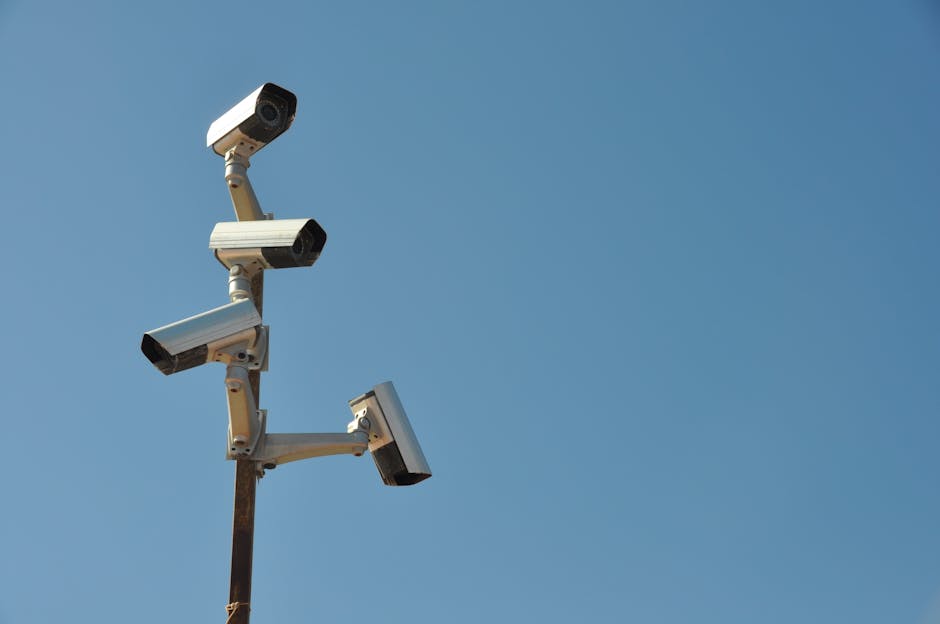
Preventing threats before they happen is a key part of residential security. Security guards are trained to spot potential dangers and act quickly to stop them. This could involve anything from identifying suspicious behavior to intercepting unauthorized individuals trying to enter the property. By staying alert and proactive, security personnel help keep communities safe.
To effectively prevent threats and protect property, various security measures are put in place. These can include:
These measures work together to create a strong security framework that keeps residents safe and secure. It’s not just about having the right tools but also about using them effectively to maintain a peaceful living environment.
Residential security guards are more than just watchers; they are active participants in creating a safe and welcoming community. Their presence alone can deter crime and provide reassurance to residents, allowing them to live their lives without fear.
Residential security guards have a crucial role in maintaining a safe environment. Their duties are varied and essential, ranging from patrols to emergency responses. Let’s explore these responsibilities in more detail.
Security guards conduct regular patrols to ensure the safety of the property. They walk around the premises, checking for anything unusual. This visible presence acts as a deterrent to potential criminals. Patrols are not just about walking around; they involve being observant and proactive in identifying any security risks.
Controlling who enters the property is another key duty. Guards verify the identity of visitors and issue passes when needed. This ensures only authorized individuals gain access. By managing entry points effectively, guards help prevent unauthorized entry and protect residents from intruders.
Using surveillance tools like CCTV cameras, guards monitor the premises for any suspicious activities. They keep a close eye on common areas and parking lots, which are often targets for criminal behavior. Surveillance is vital in detecting potential threats early and taking action to prevent incidents.
In emergencies, security guards are the first responders. They are trained to act quickly and efficiently in situations like break-ins, fires, or medical emergencies. Their role may involve coordinating with emergency services, evacuating residents, or providing first aid. A swift response can make all the difference in ensuring residents’ safety.
When an alarm is triggered, security guards must respond immediately. They investigate the cause, assess the situation, and take appropriate action. This could involve contacting law enforcement or addressing any immediate threats. Quick alarm response is crucial in minimizing potential damage or harm.
These residential security guard duties are vital for maintaining a secure and peaceful living environment. Guards are not just there to react to problems but to prevent them from happening in the first place. By effectively performing these duties, they provide residents with peace of mind and a sense of safety in their homes.
Residential security guards play a vital role in ensuring the safety and security of residents and their properties. Let’s dig into their key responsibilities, including deterrence, identifying suspicious behavior, effective communication, and emergency action.
A primary responsibility of security guards is to act as a visible deterrent to potential criminals. Their presence alone can discourage unlawful activities like theft, vandalism, and trespassing. By patrolling regularly and maintaining a vigilant stance, they make it clear that the area is well-protected and any criminal activity will be swiftly addressed.
Security guards are trained to spot suspicious behavior that could indicate a potential threat. This involves paying attention to unusual activities, such as individuals loitering in restricted areas or behaving erratically. Guards use their keen observational skills to assess situations and decide when to intervene or report to higher authorities.
Clear and effective communication is crucial for security guards. They must convey information accurately and quickly, whether it’s coordinating with law enforcement during an incident or providing directions to residents and visitors. Guards also document incidents carefully, noting details like time, location, and actions taken, which is essential for both internal records and legal purposes.
In any emergency situation, security guards are the first line of defense. They are trained to respond decisively and manage the situation until professional help arrives. This might involve evacuating residents during a fire, providing first aid in a medical emergency, or defusing a potentially violent situation. Their ability to remain calm and take swift action is crucial in ensuring the safety of all residents.
By executing these responsibilities effectively, residential security guards help create a safe and secure environment for everyone in the community. Their proactive approach not only addresses immediate threats but also fosters a sense of safety and confidence among residents.
Residential security guards need a unique set of skills to perform their duties effectively. These skills ensure they can handle various situations while keeping residents and properties safe.
Staying calm in stressful situations is crucial for security guards. Whether there’s an emergency or a potential threat, a calm demeanor helps them think clearly and make the right decisions. This ability to remain composed can prevent panic and keep situations under control.
Effective communication is another key skill. Security guards must clearly convey information to residents, visitors, and emergency services. Whether it’s giving directions, reporting an incident, or coordinating with law enforcement, clear communication ensures everyone understands the situation.
Technology plays a significant role in security. Guards should be proficient with devices like CCTV systems, two-way radios, and computers. This technological proficiency allows them to monitor surveillance feeds, log incidents, and communicate efficiently.
Security guards often face unexpected challenges. Strong problem-solving skills enable them to assess situations quickly and come up with effective solutions. Whether it’s resolving conflicts between residents or handling a security breach, being able to think on their feet is vital.
Lastly, leadership qualities are essential. Security guards may need to take charge during emergencies or guide others during routine checks. Leadership ensures they can direct people effectively and manage situations with authority.
By mastering these skills, residential security guards not only perform their duties efficiently but also contribute to a safer living environment for everyone. Their expertise and professionalism provide peace of mind to residents, knowing that their safety is in capable hands.
Residential security guards have a range of duties that are crucial for maintaining safety. Their primary role is to act as a visible deterrent. By being present and vigilant, they discourage criminal activity before it even starts. This visible presence alone can significantly reduce incidents of theft and vandalism.
Guards are also trained to identify suspicious behavior. They keep an eye out for unusual activities or individuals who may pose a threat. By spotting these early signs, they can take action to prevent potential security breaches.
In emergency situations, residential security guards are the first responders. Whether it’s a fire, medical emergency, or break-in, they are trained to act swiftly and efficiently. Their quick response can be the difference between a minor incident and a major crisis.
Residential security guards improve property safety through patrols, access control, and surveillance. Regular patrols help ensure that all areas of the property are secure. Guards check for any signs of tampering or unauthorized access, keeping residents safe from potential threats.
Access control is another critical duty. Guards verify the identities of visitors and issue passes when necessary. This ensures that only authorized individuals enter the premises, keeping unwanted intruders at bay.
Surveillance is a key component of property safety. Guards use CCTV cameras and other technology to monitor activities around the property. This constant watch helps deter criminals and provides valuable evidence in case of an incident.
To perform their duties effectively, residential security guards need several essential skills. Calmness is crucial, especially in high-pressure situations. Staying composed allows them to assess situations clearly and make informed decisions.
Communication is vital for conveying information accurately. Guards must communicate with residents, visitors, and emergency services. Whether it’s giving instructions or reporting an incident, clear communication ensures everyone understands the situation.
Familiarity with technology is also important. Guards use devices like CCTV systems and two-way radios to monitor and report activities. Being tech-savvy helps them perform their duties more efficiently.
By mastering these skills, residential security guards provide a safer environment for everyone. Their presence and expertise offer peace of mind to residents, knowing their safety is in capable hands.
At American S.E.A.L. Patrol Division, our commitment to security goes beyond mere duty—it’s our promise to provide peace of mind. We understand that safety is not just about responding to threats but also about creating an environment where residents feel secure and protected.
Our security services are designed with this in mind. With over 15 years of experience, we blend cutting-edge technology with expert personnel to deliver unparalleled protection. Our team is trained to handle all aspects of residential security, from patrols and surveillance to access control and emergency response.
By choosing American S.E.A.L., you are not just hiring a security service; you are investing in a comprehensive safety solution custom to your needs. Our approach ensures that every corner of your property is monitored, every potential threat is assessed, and every resident can enjoy the peace of mind they deserve.
For more information on how our services can safeguard your home and provide you with peace of mind, visit our Residential Security Services.
Your safety is our priority, and with American S.E.A.L. Patrol Division, you’re always in good hands.
Fire watch guards are crucial for maintaining fire safety in both residential and commercial properties. As a property manager, ensuring the safety of your tenants and assets is a top priority. But what exactly do fire watch guards do, and why are they essential? Here’s a quick answer:
The importance of fire watch guards cannot be overstated. With systems in place to detect issues early, they help prevent devastating fires and ensure compliance with safety regulations. Properties like those you manage—but also construction sites—are high-risk areas that can benefit from their expertise. Keeping these risks in check is vital for maintaining a safe and secure environment for everyone involved.
Feel secure knowing that fire watch guards are the watchful eyes that prevent minor issues from becoming major disasters.

Fire watch guards play a vital role in safeguarding properties from fire hazards. Their primary responsibilities revolve around ensuring fire safety and preventing potential disasters.

Fire hazards are everywhere, and recognizing them is a critical part of a fire watch guard’s job. Some common hazards include:
By identifying and addressing these hazards, fire watch guards help to prevent fires before they start. Their vigilance ensures that properties remain compliant with safety regulations, reducing the risk of fines and legal issues.
In summary, fire watch guards are the frontline defenders against fire-related dangers. Their proactive approach and keen attention to detail are what keep properties safe and secure.
The need for fire watch guards arises in specific situations where fire risks are heightened. Understanding when to deploy these professionals is crucial for maintaining safety and compliance.
According to OSHA, employers must ensure a safe working environment free from hazards, including fire risks. When fire safety systems like alarms or sprinklers are out of service, OSHA mandates the presence of fire watch guards. This is to prevent potential fire outbreaks and ensure immediate response if an incident occurs.
Certain activities and environments inherently carry a higher risk of fire. “Hot Work,” such as welding or brazing, is a prime example. These activities create sparks and flames, increasing the risk of fire. In such cases, fire watch guards are essential to monitor the area and respond quickly to any signs of fire.
Public gatherings and events also require fire watch services. With large crowds, the risk of fire-related accidents increases, and having trained personnel on-site ensures quick action if needed.
A malfunctioning fire alarm or sprinkler system is a call to action for fire watch guards. NFPA guidelines require fire watch services if these systems are down for 10 hours or more within a 24-hour period. During this time, guards patrol the premises to ensure safety and compliance.
Fire watch guards are not just a regulatory requirement; they are a proactive measure to safeguard lives and property. Their presence ensures that any fire risk is promptly addressed, reducing the likelihood of a disaster. By understanding these critical moments when fire watch guards are necessary, you can ensure that your property remains protected at all times.
Fire watch guards play a crucial role in fire prevention, acting as the eyes and ears of fire safety on-site. Their responsibilities extend beyond just being present—they actively patrol, monitor, and respond to ensure the safety of people and property.
One of the primary duties of fire watch guards is to conduct regular patrols. These patrols are not mere walk-throughs; they are systematic inspections of the premises. Guards are on the lookout for potential fire hazards, such as blocked exits, faulty wiring, or combustible materials. They follow a strict schedule, patrolling every 15 minutes or every hour, depending on the situation’s urgency.
Patrolling is about being proactive. By identifying risks before they become problems, fire watch guards prevent incidents rather than just responding to them.
Monitoring is another key aspect of a fire watch guard’s role. They keep a close eye on fire safety equipment like alarms and sprinklers to ensure everything is in working order. If any equipment is compromised, they document the issue and take immediate steps to address it.
They also maintain detailed logs of their activities, noting any irregularities or safety concerns. This documentation is crucial for compliance with safety regulations and provides a record of diligence in maintaining a safe environment.
In the event of a fire outbreak, fire watch guards are trained to respond swiftly and effectively. Their primary goal is to ensure the safety of all occupants. They do this by alerting the fire department, assisting with evacuations, and providing crucial information to emergency responders.
While fire watch guards are trained in emergency protocols, they do not engage in extinguishing fires unless it is entirely safe to do so. Their focus is on ensuring that professional firefighters can do their job without unnecessary risks.
By understanding the multifaceted role of fire watch guards in fire prevention, you can appreciate the value they bring to maintaining a safe and secure environment. Their vigilance and expertise are central to preventing fires and minimizing their impact when they occur.
Fire watch guards are not just ordinary security personnel; they are specially trained experts in fire safety. Their training ensures they are well-prepared to handle any fire-related situation with precision and confidence. Let’s explore the essential training and certifications that make them so effective.
The Occupational Safety and Health Administration (OSHA) plays a vital role in setting the standards for workplace safety, including fire safety. Fire watch guards undergo rigorous OSHA training to learn about fire hazards, safety protocols, and emergency response.
Key components of OSHA training for fire watch guards include:
OSHA training ensures that fire watch guards are equipped with the knowledge to provide a safe environment for everyone on-site.
The National Fire Protection Association (NFPA) establishes standards that are crucial for fire safety. Fire watch guards must be familiar with these standards to ensure compliance and safety.
Some critical NFPA standards covered in training:
By adhering to NFPA standards, fire watch guards ensure that all fire safety protocols are up to date and effective.
Beyond OSHA and NFPA guidelines, fire watch guards receive training in specific fire safety protocols custom to their roles. This training includes:
These protocols are essential for maintaining a high level of vigilance and preparedness, ensuring that fire watch guards can act swiftly and effectively in any situation.
By completing this extensive training and certification process, fire watch guards become an integral part of fire prevention and safety. Their expertise not only helps prevent fires but also minimizes the impact of any incidents that do occur.
Fire watch guards have a critical role in ensuring fire safety. Their primary duties include conducting regular patrols of the premises to identify and mitigate fire hazards. This involves checking for potential fire risks, ensuring that emergency exits are clear, and verifying that fire safety equipment is operational.
Additionally, fire watch guards are responsible for maintaining detailed logs of their patrols. These logs document patrol times, observations, and any actions taken to address fire hazards. This meticulous documentation is crucial for accountability and can be reviewed in the event of an incident.
The duration of a fire watch can vary based on specific circumstances and safety requirements. According to OSHA requirements, a fire watch is necessary during periods when fire systems, such as alarms or sprinklers, are not operational. The fire watch must continue until these systems are fully restored.
For construction sites or during “Hot Work” activities, such as welding, a fire watch is required for the duration of the activity and may extend for a period afterward to ensure no residual fire risks remain.
While fire watch guards are trained to use fire extinguishers, their primary role is not to fight fires. Instead, they focus on early detection and emergency response. In the event of a fire, their main responsibilities include alerting the fire department, assisting in the safe evacuation of occupants, and providing vital information to emergency responders.
The emphasis is on safety protocols and minimizing risk, ensuring that any fire-related incidents are managed swiftly and effectively.
At American S.E.A.L. Patrol Division, we understand that fire safety is not just about compliance—it’s about ensuring peace of mind for our clients. Our team of highly trained fire watch guards is dedicated to protecting your property and keeping occupants safe. With over 15 years of experience in residential and commercial protection, we combine cutting-edge technology with expert personnel to deliver unparalleled service.
Our commitment to fire safety is evident in our rigorous training and adherence to OSHA and NFPA standards. We ensure that our fire watch guards are not only well-equipped to monitor and detect potential hazards but also prepared to respond swiftly in emergencies. This proactive approach helps prevent incidents before they escalate, providing you with the assurance that your safety is in capable hands.
Whether you are dealing with temporary fire system failures, undergoing construction, or managing events with increased fire risks, we are here to support you. Our services are designed to adapt to your specific needs, ensuring continuous protection and compliance with local fire codes.
For more insights into fire safety and how we can help you maintain a secure environment, visit our Security Tips page. Trust American S.E.A.L. Patrol Division for reliable fire watch services that prioritize your safety and peace of mind.
Hidden cameras in apartments can be a real worry for many renters. It’s unsettling to think someone might be watching without your knowledge. For those seeking a quick answer on how to ensure privacy, here are a few key steps:
In a world increasingly driven by technology, home security has become more complex. Privacy concerns in an apartment can arise from the possibility of hidden surveillance devices. With reports of hidden cameras popping up in places they shouldn’t be, staying alert is crucial for safeguarding personal privacy.
Renters need to be aware that while landlords may install security cameras, there are strict limits on where these can be placed. Common areas such as hallways might have surveillance, but the apartment unit itself should be a safe haven free from unwanted eyes. The presence of unauthorized cameras in private spaces not only violates trust but also legal boundaries.
For property managers like Sarah Thompson, ensuring apartment security means balancing tenant safety and privacy. It’s important to stop those with bad intentions from infringing on one’s personal space. Knowing how to detect and respond to hidden cameras is a vital part of safeguarding against privacy breaches.

Hidden cameras in apartments word roundup:
– apartment cctv cameras
– surveillance camera for apartment
When it comes to finding hidden cameras in apartments, the first step is a thorough visual inspection. It’s simple, doesn’t require any tools, and can be quite effective.
For those looking to go beyond a simple visual inspection, technology offers several tools to help detect hidden cameras.

By combining these methods, you can significantly reduce the risk of unauthorized surveillance in your apartment. While technology can help, staying observant and aware is your best defense against hidden cameras.
When it comes to hidden cameras in apartments, understanding where they are legally permitted is crucial. Generally, cameras can be installed in common areas of apartment complexes. These areas include hallways, laundry rooms, parking lots, and other shared spaces. The key is that these places are not where tenants have a “reasonable expectation of privacy.”
In contrast, spaces like bedrooms and bathrooms are off-limits for surveillance. This principle is grounded in privacy laws, which protect individuals from being watched in their private living spaces.
State laws can vary, so refer to local regulations. While many states follow similar guidelines, some may have additional restrictions or requirements.
Tenants have specific rights when it comes to surveillance in their apartments. Landlords must inform tenants if cameras are installed on the property. This notification should clarify the locations and purpose of the cameras. It’s not just good practice; it’s often a legal requirement.
Lease agreements should also address surveillance. Including a section about security cameras can help ensure transparency. It should outline where cameras are placed and what kind of recording is happening. This can prevent misunderstandings and build trust between tenants and landlords.
Additionally, tenants should be aware that they can install their own cameras inside their units, provided they do not infringe on others’ privacy or violate lease terms.
Landlords have obligations too. They must ensure that cameras do not invade tenants’ private spaces. They also need to respect privacy laws and state-specific regulations. For instance, if audio recording devices are used, landlords must comply with the Federal Wiretap Act, which prohibits intercepting oral communications without consent.
If a tenant finds a hidden camera in a private area, they should first review their lease and then contact their landlord. If necessary, legal action can be considered.
Understanding these legal aspects can help protect your privacy and ensure that any surveillance in your apartment is lawful and transparent.
Finding a hidden camera in your apartment can be unsettling. It’s important to know the right steps to take to protect your privacy and address any potential violations.
Your first step should be to contact your landlord. They should be informed about the situation immediately. Ask them to explain the presence of the camera and whether it was installed with their knowledge. It’s possible that it was placed there by a previous tenant or without the landlord’s consent.
Check your lease agreement to see if there’s any mention of surveillance. The lease should clearly state where cameras are installed and for what purpose. If there’s no mention, or if the camera is in a prohibited area, you may have a case for privacy violation.
If you’re not satisfied with the landlord’s response, or if the lease agreement doesn’t address the issue, consider seeking legal advice. A legal expert can help you understand your rights and the potential legal implications for the landlord. They can also guide you on the next steps, such as filing a formal complaint.
If you suspect foul play or if the hidden camera is in a place where you have a reasonable expectation of privacy, such as a bedroom or bathroom, contact the local police. They can investigate the situation and may dust the equipment for fingerprints to identify the person responsible.
If the situation isn’t resolved through initial steps, you may need to consider legal action. This could involve filing a lawsuit for invasion of privacy. Planting a hidden camera could lead to serious charges like trespassing or stalking, as outlined by Stephanie’s Law.
It’s essential to take these steps seriously, as hidden cameras can be a significant invasion of your privacy. Document everything—take photos of the camera and note the date and time you finded it. This documentation can be crucial if the situation escalates to legal action.
You have a right to privacy in your home, and there are laws in place to protect that right. Taking swift and informed action can help ensure your living space remains secure and private.
Detecting a hidden camera in your apartment can be challenging, but there are several methods you can use to uncover them:
The legality of landlords installing hidden cameras in apartments varies by location and specific circumstances:
If you find a hidden camera in your apartment, follow these steps to address the situation:
You have a right to privacy in your home, and there are legal protections in place to uphold that right. Taking swift and informed action is crucial to ensure your living space remains secure and private.
Privacy is a fundamental concern, especially when it comes to our homes. Hidden cameras in apartments can be a significant invasion of that privacy. At American S.E.A.L. Patrol Division, we understand how vital it is to feel safe and secure in your living space. Our comprehensive security services are designed to provide peace of mind, ensuring that both residents and property owners can rest easy knowing their privacy is protected.
With over 15 years of experience in residential and commercial protection, we specialize in combining cutting-edge technology with expert personnel. Our services include 24/7 monitoring and rapid response, custom to meet the unique needs of each client. Whether it’s through on-foot patrols, advanced CCTV systems, or expert consultations, we are committed to creating secure environments for all our clients.
If you’re concerned about privacy or security in your apartment, consider reaching out to us. Our team is ready to help you assess and improve your security measures. Together, we can ensure your home remains a safe haven, free from unwanted surveillance.
For more information on how we can help protect your apartment, visit our Apartment Security Camera Systems page. Let’s work together to create a safer environment for you and your loved ones.
Finding the right CCTV monitoring services is crucial for ensuring the security and safety of your properties. This essential service offers continuous oversight, capturing real-time footage to address any suspicious activities swiftly. Whether you’re managing residential communities or commercial buildings, implementing CCTV monitoring can dramatically improve your property’s safety by proactively deterring crime while reducing reliance on traditional security guards.
Here’s a quick summary of what you should look for in CCTV monitoring services:
– 24/7 Monitoring: Continuous surveillance to keep an eye on your premises at all hours.
– Remote Surveillance: Access your security feeds from anywhere, anytime.
– Cost Efficiency: A more cost-effective security solution compared to physical security personnel.
– Rapid Response: Quick action on confirmed threats, securing the premises promptly.
With a growing number of thefts and threats, having a robust CCTV monitoring system in place becomes even more critical. By opting for these services, you’re not just installing cameras; you’re investing in peace of mind and advanced security measures that guard your assets around the clock.

Know your CCTV monitoring services terms:
– live cctv monitoring services
– monitored cctv security
– smart home security solutions
CCTV monitoring services are a vital part of modern security strategies. They provide a layer of protection that goes beyond just recording footage. Let’s dive into the core components that make these services essential.
Live monitoring is the backbone of any effective CCTV service. Unlike traditional security setups where footage is reviewed after an incident, live monitoring means trained professionals watch real-time feeds. This allows for immediate action if something suspicious occurs.
Imagine a scenario where a potential intruder is spotted near your property. With live monitoring, security personnel can instantly assess the situation and take necessary actions, such as contacting law enforcement or issuing a verbal warning through integrated speaker systems. This proactive approach can prevent incidents before they escalate.
Remote surveillance offers flexibility and convenience. It allows property owners and security teams to access live feeds from anywhere in the world. Whether you’re on vacation or just at another location, you can keep an eye on your property through a smartphone, tablet, or computer.
This capability is particularly beneficial for businesses with multiple locations. Managers can oversee various sites without needing to be physically present, ensuring consistent security coverage across all properties.
The true power of CCTV monitoring lies in its ability to deter crime before it happens. Visible cameras and the knowledge that a site is under constant surveillance can discourage potential criminals from targeting your property.
Statistics show that properties with active CCTV systems experience fewer break-ins and vandalism incidents. This proactive deterrence not only protects assets but also reduces the potential for costly repairs and insurance claims.

By integrating live monitoring, remote surveillance, and proactive deterrence, CCTV monitoring services provide comprehensive security solutions that are both effective and efficient. These services are not just about capturing footage; they are about creating a safer environment and offering peace of mind to property owners.
In the next section, we’ll explore the key features that make these services reliable and indispensable for any security plan.
When choosing CCTV monitoring services, certain features stand out as essential for effective security. Let’s explore these key features that ensure your property is always safeguarded.
Real-time protection is the cornerstone of a robust CCTV monitoring system. This feature ensures that any suspicious activity is detected and addressed immediately. With real-time monitoring, security personnel can:
This proactive approach is crucial in protecting both residential and commercial properties. The ability to act in real-time can be the difference between a minor incident and a major security breach.
Video verification improves the accuracy of alarm systems. When an alarm is triggered, video verification allows monitoring centers to visually confirm the event before notifying law enforcement. This feature reduces false alarms and ensures that police resources are used efficiently.
Here’s how it works:
This process not only speeds up response times but also provides law enforcement with valuable details, increasing the chances of apprehending suspects.

Remote access is a game-changer for property owners and managers. It provides the flexibility to monitor security feeds from anywhere, at any time. Whether you’re at home, at work, or on vacation, you can stay connected to your security system.
Benefits of remote access include:
For businesses, this feature is particularly valuable. Managers can oversee multiple locations without being physically present, ensuring consistent security coverage across all sites.
By incorporating real-time protection, video verification, and remote access, reliable CCTV monitoring services offer comprehensive and effective security solutions. These features not only improve safety but also provide peace of mind to property owners.
In the next section, we’ll dig into the top benefits these services offer, from cost savings to improved security measures.
CCTV monitoring services provide a host of benefits that go beyond just keeping an eye on your property. Let’s explore the top advantages, including cost savings, improved security, and convenience.
Hiring security personnel can be expensive. With CCTV monitoring services, you can significantly reduce these costs. According to research, businesses have reported a reduction in security expenses by up to 69% when they switch to monitored services. This is because:
These savings can be redirected to other critical areas of your business or personal finances, making CCTV monitoring a smart investment.
The primary goal of CCTV monitoring services is to improve security. These systems:
With 50,000+ crimes deterred annually by leading providers, the impact on safety is profound. The presence of monitoring not only discourages criminal behavior but also ensures that any incidents are swiftly addressed.
One of the standout benefits of CCTV monitoring services is the convenience they offer. Here’s why:
For business owners managing multiple locations, this level of convenience is invaluable. It allows for consistent oversight and quick decision-making, no matter where you are.
By choosing CCTV monitoring services, you not only save money but also improve the overall security and convenience of managing your property. In the next section, we’ll explore how to choose the right provider to ensure you get the best service custom to your needs.
Choosing the right CCTV monitoring service provider can be a game-changer for your security needs. Here’s what to consider:
First, look at the range of services offered. A reliable provider should offer a variety of options to fit different needs. This can include:
Make sure the provider can tailor their services to your specific requirements, whether it’s for a small retail store or a large industrial complex.
Technology is at the heart of effective CCTV monitoring. Ensure your provider uses advanced technology that integrates smoothly with your existing systems. Look for features like:
The right technology not only improves security but also provides a user-friendly experience. For instance, American S.E.A.L prioritizes user-friendly interfaces, making it easy to monitor your premises from anywhere.
Excellent customer support is crucial. You want a provider that is responsive and ready to assist whenever you need help. Consider these aspects:
A provider with strong customer support ensures that you have peace of mind, knowing that help is just a call away if anything goes wrong.
By focusing on service options, technology integration, and customer support, you can choose a CCTV monitoring service provider that best meets your needs. This ensures that your property is well-protected and that you can rely on your provider for support and expertise. Next, we’ll address some common questions about CCTV monitoring services to help you make an informed decision.
Security camera monitoring services can vary widely in cost. It largely depends on whether you choose self-monitoring or professional monitoring.
Prices for professional services can range from a few hundred to several thousand dollars a year, depending on the features and level of service you choose.
A comprehensive CCTV service typically includes several key components:
Video verification is a crucial feature that improves the reliability of alarm responses. Here’s how it works:
By using video verification, false alarms are significantly reduced, ensuring that only genuine threats are escalated.
Understanding these aspects of CCTV monitoring services can help you make informed decisions about your security needs. Whether it’s choosing between self-monitoring and professional services or knowing what features are included, being informed ensures you get the best protection for your property.
In conclusion, American S.E.A.L. Patrol Division stands out as a leader in providing reliable CCTV monitoring services. With over 15 years of experience in Texas, especially in Houston, we combine cutting-edge technology with expert personnel to ensure your safety and peace of mind.
Our 24/7 monitoring services mean that you can rest easy knowing our highly trained team is always watching over your property. We use advanced technology to detect and respond to potential threats quickly, minimizing risks and enhancing security. Whether it’s a residential or commercial property, our services are custom to meet your specific needs.
Choosing us means choosing peace of mind. Our professional team is committed to safeguarding your premises with the utmost care and attention. With American S.E.A.L. Patrol Division, you are not just a client; you are part of a community that values security and trust.
For reliable protection and expert service, look no further. We are here to provide the security solutions you need to feel safe and secure.
Mobile security patrol is an adaptable and highly visible security solution designed to keep your property safe and secure. For property managers like Sarah Thompson, who handle multiple residential and commercial spaces, mobile security patrol provides peace of mind that static guards may not fully offer. Here’s a quick overview of why mobile security patrol is essential:
In today’s ever-changing world, securing your assets is a 24/7 responsibility that requires a blend of technology, strategy, and human oversight. Mobile security patrol services, such as those provided by American S.E.A.L. Patrol Division, offer comprehensive solutions that integrate all these elements. Whether you’re focused on deterring loitering, responding to alarms, or enhancing the safety of your residents and commercial tenants, mobile security patrol provides a thorough, cost-effective approach.
The demand for efficient and adaptable security solutions has never been greater. With trained security officers who conduct regular patrols and rapid alarm responses, mobile security patrols are transforming how property managers protect their sites. Let’s explore how these services operate and the benefits they offer.

Know your mobile security patrol terms:
Mobile security patrol is a dynamic security service that involves trained officers conducting regular surveillance of specific areas using vehicles. These patrols are designed to provide a flexible and highly visible security presence, which is crucial for deterring criminal activities and ensuring the safety of various locations such as business premises, residential neighborhoods, and construction sites.
One of the standout features of mobile security patrols is their flexibility. Unlike static guards who stay in one location, mobile patrol units can adapt to the specific needs of each client. Whether it’s conducting random checks throughout the night or scheduled patrols at critical times like opening and closing, these services can be customized to fit the unique requirements of each site. This adaptability makes mobile security patrols an ideal choice for businesses and property managers who need a security solution that can evolve with their changing needs.
Visibility is a key component of mobile security patrols. Marked patrol vehicles act as a constant reminder that security is on the job, which helps deter crime. The presence of a patrol car can make potential wrongdoers think twice before targeting a location. This visible deterrent is particularly effective in public spaces, where studies have shown that increasing security patrols can lead to a significant reduction in victim-reported crimes.

The combination of flexibility and visibility in mobile security patrols offers a comprehensive security solution that static guards simply can’t match. By employing a mix of strategic patrol plans and real-time reporting, these services ensure that any irregularities are quickly addressed, providing peace of mind to property managers and business owners alike.
In the next section, we’ll dive deeper into the key features that make mobile security patrols so effective in maintaining safety and security.
When it comes to mobile security patrol, three standout features make it a top choice for maintaining safety and security: mobility, rapid response, and cost-effectiveness.
The essence of mobile security patrol is its ability to cover large areas efficiently. Patrol vehicles are equipped to steer through diverse environments, ensuring comprehensive coverage. This mobility allows security officers to perform thorough checks and monitor various locations without delay. In contrast to static security measures, mobile patrols can adapt routes and schedules to meet specific needs. Whether it’s a busy commercial area or a quiet residential neighborhood, the patrol can be adjusted to address emerging security concerns, providing a custom approach to each client’s requirements.
A key advantage of mobile patrols is their ability to respond quickly to incidents. With GPS technology, the nearest patrol vehicle can be dispatched to an emergency, minimizing response times. This swift action is crucial in preventing potential threats from escalating. As noted in recent reports, the deployment of advanced mobile devices has improved alarm response times by up to 10%.

This capability ensures that any security breaches or suspicious activities are addressed promptly, safeguarding both people and property.
Mobile security patrols offer a cost-effective alternative to traditional on-site security. By covering multiple locations with fewer resources, businesses can enjoy comprehensive security without the expense of full-time guards. The scalability of mobile patrols means that services can be increased or decreased based on the level of risk, allowing for efficient resource allocation. This flexibility not only saves money but also ensures that security measures are proportionate to the actual needs of the site.
In summary, the combination of mobility, rapid response, and cost-effectiveness makes mobile security patrols an invaluable asset in today’s security landscape. These features provide a versatile and efficient solution for maintaining safety across various settings.
Up next, we’ll explore the benefits of mobile security patrol services and how they contribute to crime deterrence and improved coverage.
Mobile security patrol services offer several compelling benefits that make them an effective choice for safeguarding properties and assets.
One of the most significant advantages of mobile security patrol services is their ability to deter crime. The presence of marked patrol vehicles acts as a visible warning to potential wrongdoers. This visibility is a powerful deterrent, as studies have shown that increased security patrols can lead to a 16% reduction in victim-reported crimes in public spaces. Unlike passive measures like CCTV, the active presence of patrol officers keeps criminals at bay by signaling that the area is under constant surveillance.
Mobile patrols provide improved coverage compared to static security measures. Patrol officers can steer large areas, ensuring that every corner is monitored. This is particularly beneficial for businesses with expansive properties or multiple locations. By conducting regular checks and random inspections, mobile patrols ensure comprehensive oversight, reducing the likelihood of security breaches. This adaptability means that patrols can be scheduled during high-risk periods, offering targeted protection when it’s most needed.
Every business has unique security needs, and mobile patrol services can be customized to meet these specific requirements. Whether it’s conducting patrols at night, responding to alarms, or providing escorts for employees during high-risk operations, mobile security patrols offer flexible solutions that are custom to individual client needs. This customization extends to the level of coverage and frequency of patrols, ensuring that security measures align with the client’s specific risks and operational demands.
In summary, mobile security patrol services are an effective solution for crime deterrence, providing improved coverage and offering custom solutions to meet diverse security needs. These benefits make them a versatile and reliable option for businesses looking to improve their security posture.
Next, we’ll dig into how mobile security patrols operate, including the strategic use of patrol vehicles and real-time reporting.
Mobile security patrols are a dynamic and effective way to safeguard properties. Let’s explore how they operate, focusing on patrol vehicles, strategic plans, and real-time reporting.
Patrol vehicles are the backbone of mobile security patrol services. These vehicles are often marked with the security company’s branding, making them highly visible deterrents. They are equipped with advanced technology like GPS for efficient route planning and real-time tracking. This allows patrol officers to cover large areas quickly and respond to incidents promptly. The presence of these vehicles signals to potential wrongdoers that the area is actively monitored and protected.
Strategic planning is crucial for effective mobile security patrols. Patrol schedules can be random or fixed, depending on the client’s needs. Random patrols keep potential criminals guessing, making it harder for them to predict when a patrol might occur. Fixed schedules, on the other hand, ensure coverage during critical times, like business opening and closing hours. The ability to prioritize high-risk areas and adjust patrol frequency based on emerging threats makes these operations highly adaptable and effective.
Real-time reporting is a key feature that improves the effectiveness of mobile security patrols. Officers use mobile apps to record incidents, complete checklists, and submit reports instantly. This ensures that both the security company and the client are kept informed of any irregularities or incidents. Real-time updates allow for quick decision-making and enable a coordinated response to any security threats. This level of transparency and communication builds trust and provides clients with peace of mind, knowing that their property is under constant surveillance.
Mobile security patrols use patrol vehicles, strategic planning, and real-time reporting to provide a comprehensive security solution. This approach not only deters crime but also ensures rapid response and continuous monitoring, making it an invaluable service for protecting assets and properties.
Next, we’ll address some frequently asked questions about mobile security patrol to help you understand its costs, roles, and more.
Mobile patrol security services involve trained security officers who use various modes of transportation, such as vehicles, bikes, or even golf carts, to monitor and protect different areas. These services are flexible, allowing patrols to be scheduled at random or specific intervals based on client needs. This flexibility makes them ideal for covering large areas efficiently and deterring criminal activity.
Types of Mobile Patrols:
This adaptability ensures that mobile patrols can meet the unique security needs of various sites.
The cost of mobile security patrol services can vary based on several factors, making it important to understand what influences pricing:
Cost Factors:
Affordability and Comparison:
Mobile patrols are often more cost-effective than static security options. They provide coverage for multiple locations without the need for a full-time guard at each site. This flexibility allows businesses to adjust their security needs without incurring unnecessary expenses.
Mobile security patrols play a vital role in maintaining safety and security across various settings. Here’s what they typically handle:
Tasks and Responsibilities:
Technology in Use:
Mobile patrol officers are equipped with the latest communication technology, enabling real-time reporting and coordination with local law enforcement if necessary. This technology ensures rapid response and efficient management of any security issues.
By carrying out these tasks, mobile security patrols provide a flexible and effective security solution that adapts to the changing needs of their environment, ensuring peace of mind for businesses and communities alike.
Next, we’ll explore how American S.E.A.L. Patrol Division combines expertise and dedication to deliver best security services.
American S.E.A.L. Patrol Division: Expertise and Peace of Mind
When it comes to safeguarding what matters most, experience and innovation are key. At American S.E.A.L. Patrol Division, we bring over 15 years of expertise in providing top-notch security solutions for both residential and commercial properties across Texas. Our unique selling proposition lies in seamlessly blending cutting-edge technology with highly trained personnel to deliver mobile security patrol services that stand out in the industry.
Our patrol services are designed to offer flexibility and comprehensive coverage, ensuring your property is protected around the clock. With a dynamic approach, our mobile security patrols are strategically planned to meet the specific needs of each client. Whether it’s through vehicle, bike, or walking patrols, our team is equipped with advanced communication tools and real-time reporting systems to ensure rapid response to any security threats.
The presence of our highly trained officers acts as a visible deterrent, significantly reducing the risk of crime and providing you with peace of mind. We understand that every property has unique security needs, and our custom solutions are custom to improve the safety and security of your environment, whether it’s a busy commercial property or a serene residential community.
At American S.E.A.L. Patrol Division, we are committed to delivering reliable and professional security services. Our blend of cutting-edge technology and expert personnel ensures that you receive the highest standard of protection. By choosing our mobile security patrol services, you are investing in a safer, more secure future for your business or community.
With our dedicated team standing by 24/7, you can rest easy knowing that your property is in capable hands. Join the many businesses and communities in Texas that trust American S.E.A.L. Patrol Division to provide them with peace of mind and a secure environment.
For more information or to discuss your specific security needs, contact us today. We are here to ensure your safety and security at all times.
When it comes to maintaining a safe and secure living environment, selecting the best apartment surveillance camera is crucial. A top-tier surveillance system is not just a luxury; it’s a necessity in any multi-family dwelling. Here’s a quick look at what makes a camera stand out:
Why should tenants and property managers prioritize surveillance? Well, in apartments, where multiple families share common spaces and entry points, comprehensive surveillance can deter crime and foster a safer community. Effective apartment security doesn’t only put tenants at ease; it also lessens what property managers like Sarah Thompson, who oversee numerous properties, have to worry about. With increased monitoring, there’s a greater ability to track movement, prevent theft, and respond quickly to emergency situations.
Incorporating these smart security solutions can be transformative for apartment living. The peace of mind it offers is invaluable, making it an essential part of modern property management.

Choosing the best apartment surveillance camera involves understanding key features that ensure safety and ease of use. Let’s break down the must-have features:
A camera’s image quality is crucial. Look for cameras with at least 1080p HD resolution. This ensures that every detail is captured clearly, making it easier to identify faces or license plates. Some cameras even offer 4K resolution, providing four times the clarity of standard HD.
Why it matters: Clear images help in identifying potential intruders or suspicious activities, especially in shared spaces like hallways or parking lots.
For renters, easy installation is a priority. Many cameras now offer wireless options or adhesive mounts. This means you can set them up without drilling holes or altering the apartment, ensuring you get your deposit back when you move.
Tip: Choose cameras that can be mounted with adhesives or placed on shelves for a hassle-free setup.
Durability is essential, especially for outdoor cameras. Look for cameras with an IP65 rating or higher. This means they can withstand dust and rain, ensuring they last through various weather conditions.
Indoor vs. Outdoor: Indoor cameras don’t need to be as durable, but outdoor models should be able to handle the elements.
Monitoring can be done in two ways: professional or self-monitoring. Professional monitoring requires a subscription but offers 24/7 oversight by security experts. Self-monitoring is free and lets you check live feeds anytime.
Consideration: If you prefer not to worry about constant monitoring, professional services provide peace of mind.
Storage options include cloud and local storage. Cloud storage often requires a subscription but allows you to access footage from anywhere. Local storage, such as microSD cards, is subscription-free but limits access to the physical location.
Choosing wisely: Decide based on how often you need to review footage and your budget for ongoing costs.
Modern cameras come with bonus features like two-way audio, person detection, and color night vision. These features improve the security experience by allowing real-time communication and better detection of suspicious activities.
Improvements: Two-way audio lets you speak with visitors or deter intruders, while person detection reduces false alerts.
Selecting a surveillance camera with these features ensures comprehensive security in your apartment. It’s not just about capturing footage; it’s about creating a secure and convenient living environment.

Next, we’ll dive into the top 5 apartment surveillance cameras recommended by American S.E.A.L. Patrol Division. Stay tuned for our expert picks!
When it comes to securing your apartment, choosing the right surveillance camera is key. American S.E.A.L. Patrol Division has carefully selected the top 5 cameras that offer the best in security, convenience, and value. Let’s explore these expert recommendations:
Ring tops the list with its unique peephole camera, perfect for apartment doors. Easy to install without drilling, this camera offers 1080p HD resolution and a 155° field of view. It integrates seamlessly with Alexa and Google Home, providing smart alerts and two-way audio.
Why it’s a top pick: It’s the only true peephole camera available, making it ideal for renters who want to avoid altering their apartment.
Nest Cam IQ Indoor is known for its superior image quality and facial recognition capabilities. It offers 1080p HD resolution and integrates with both Alexa and Google Assistant. The camera is sleek, making it a stylish addition to any room.
Highlight: Facial recognition helps differentiate between family members and strangers, enhancing security.
Arlo Pro 4 offers wire-free setup and 2K video resolution, making it a versatile choice for apartments. It features color night vision and a built-in spotlight. The camera is compatible with Alexa, Google Assistant, and Apple HomeKit.
Best feature: Its wire-free design allows for flexible placement, perfect for renters who need a non-invasive setup.
Lorex provides commercial-grade quality with its 4K resolution and advanced person detection. It offers local storage options, eliminating the need for subscriptions. This camera is durable, with an IP66 rating, making it suitable for both indoor and outdoor use.
Key advantage: No ongoing subscription fees, providing long-term savings.
Wyze Cam v3 is a budget-friendly option that doesn’t skimp on features. It offers 1080p HD resolution, color night vision, and two-way audio. It’s compact and can be easily placed anywhere in the apartment.
Why choose Wyze: Affordable yet packed with features, making it perfect for those on a tight budget.

Choosing the best apartment surveillance camera involves considering factors like installation ease, image quality, and additional features. Each of these top picks by American S.E.A.L. Patrol Division offers a unique set of benefits custom to meet the needs of apartment dwellers. Whether you prioritize ease of installation, advanced features, or cost-effectiveness, there’s a camera on this list for you.
Stay tuned for our next section where we dive into the best options specifically for renters, focusing on DIY installation and non-invasive setups.
Renting an apartment shouldn’t mean sacrificing security. The right surveillance camera can provide peace of mind without risking your security deposit. Here’s what to look for:
For renters, DIY installation is a must. You don’t want to drill holes or make permanent changes to your apartment. Cameras like the Ring Peephole Cam are perfect for this. Simply replace your existing peephole with the camera—no tools required. It’s as easy as changing a lightbulb.
Wire-free cameras, such as the Arlo Pro 4, offer flexibility. These cameras run on batteries, so you don’t have to worry about finding a nearby outlet or dealing with unsightly cords. Plus, you can easily move them if you change apartments.
Non-invasive setups ensure you don’t damage walls or fixtures. Look for cameras that use adhesive mounts or can be placed on shelves. The Wyze Cam v3, for instance, is compact and can sit on any flat surface. This way, your landlord won’t have a reason to withhold your deposit.
Choosing the right apartment surveillance camera means finding a balance between security and ease of use. With DIY installation, wire-free options, and non-invasive setups, you can improve your apartment’s security without any hassle. Up next, we’ll answer some frequently asked questions to help you make the best choice for your home.
When it comes to choosing the best apartment surveillance camera, American S.E.A.L. Patrol Division recommends options that balance quality, ease of use, and non-invasiveness. Look for cameras with:
The Arlo Pro 4 and Ring Peephole Cam are top picks. They offer wire-free setups and easy installation, making them ideal for renters.
Yes, you can have a camera in your apartment, but there are a few things to consider:
Enhancing your apartment’s security doesn’t stop at cameras. Here are some of the best security devices:
With these devices, you can create a comprehensive security system custom to your apartment living needs. Stay tuned as we wrap up with more insights on how American S.E.A.L. Patrol Division can help secure your home and provide peace of mind.
Securing your apartment doesn’t have to be a daunting task. With the right tools and guidance, you can protect your home and enjoy peace of mind. At American S.E.A.L. Patrol Division, we specialize in providing top-notch security services custom for both residential and commercial needs. Our expertise, combined with cutting-edge technology, ensures that your safety is our top priority.
Why Choose American S.E.A.L. Patrol Division?
Our commitment to excellence and community-focused approach makes us the preferred choice for apartment security. Whether you’re looking for the best apartment surveillance camera or need a comprehensive security solution, we’ve got you covered.
Peace of Mind, Guaranteed
Imagine living in a space where you never have to worry about security. With our services, that peace of mind is possible. From high-resolution cameras to reliable monitoring systems, we ensure that your home is a safe haven.
Ready to improve your apartment’s security? Learn more about our apartment security camera systems and find how American S.E.A.L. Patrol Division can provide you with the ultimate protection. Let’s work together to create a safer environment for you and your loved ones.
Security gigs near me are now more than just typical watchman roles—these opportunities are evolving into high-paying positions that offer substantial career growth. Whether you’re looking to keep residential complexes secure or manage security for major corporate events, understanding the spectrum of opportunities available can significantly boost your career prospects.
In this ever-expanding field, each role requires specific skills and offers unique opportunities for career advancement. The demand for trained security personnel is increasing, creating a range of opportunities whether you are just starting or are an experienced professional seeking to tap into high-paying roles.
Get ready to open up your next big opportunity in security by understanding the types, skills needed, and the paths to high earnings. Stay tuned as we dig into how you can secure these rewarding roles.

Security gigs near me basics:
– event security near me
– private event security near me
When searching for security gigs near me, it’s important to understand the different types of roles available. Each type offers unique responsibilities and requires varying levels of expertise and training. Here’s a breakdown of the primary security gig categories:
Unarmed security roles are often entry-level positions that require minimal training. These guards are crucial for maintaining a visible security presence and ensuring the safety of properties and events. They are trained in conflict resolution and emergency response, providing peace of mind without the use of weapons.

Armed security officers have additional responsibilities and training, including firearms safety. These roles are essential for high-risk environments where the presence of a weapon is necessary to deter potential threats. Armed security is often employed in locations requiring heightened security measures, such as banks or high-profile events.
Public safety officers are typically part of law enforcement or have a relevant college degree. They are trained to handle a wide range of situations, from routine patrols to emergency interventions. These roles often require firearms training and are integral to maintaining public order and safety.
Senior security roles are for those with extensive experience and training. These positions involve overseeing other security personnel and developing comprehensive security plans. Senior security officers often engage in crisis management and have a strategic approach to preventing and responding to incidents.

Understanding these categories can help you identify which security gig aligns with your skills and career goals. Whether you’re starting out or looking to advance, knowing the types of security roles available is the first step in open uping your next opportunity.
Finding security gigs near me is easier than you might think, thanks to several online platforms that connect job seekers with employers. Let’s explore some of the best resources to help you land your next security job.
GigSmart is a versatile platform that connects you with on-demand security jobs. It’s perfect for finding both short-term gigs and long-term positions. You can browse through a wide range of opportunities, including unarmed and armed security roles. The app allows you to filter jobs based on your location, making it simple to find security gigs near you.
Bidnet Direct is a little different from traditional job boards. It focuses on contract opportunities, which can be a great way to secure steady work in the security field. This platform is particularly useful for those interested in larger contracts, such as public safety or senior security roles. By registering, you can access various security contracts available in your area.
For those seeking government-related security gigs, SAM.gov is the go-to resource. This platform lists federal security contracts and job opportunities. It’s an excellent place to find high-paying roles, especially if you have a background in law enforcement or military service. Make sure to regularly check the site for new listings, as government contracts can offer substantial compensation and benefits.
FindRFP is another valuable tool for finding security gigs, especially if you’re interested in bidding on security projects. This platform aggregates request for proposals (RFPs) from various sectors, allowing you to submit proposals for security services. It’s a great way to secure contracts that might not be widely advertised elsewhere.
By leveraging these platforms, you can efficiently find security gigs that match your skills and preferences. Whether you’re looking for a short-term assignment or a long-term career opportunity, these resources provide a solid starting point. Now, let’s dig into the skills and training needed to excel in these roles.
When it comes to excelling in security gigs, having the right skills and training is essential. Let’s break down some of the key skills you’ll need to succeed in this field.
Physical fitness is crucial for any security role. It helps in maintaining stamina during long shifts and enables quick response to emergencies. A fit security professional can handle physical tasks more efficiently, whether it’s patrolling an area or managing crowd control. Regular exercise and maintaining a healthy lifestyle can significantly improve your ability to perform these duties effectively.
Crisis management is all about staying calm and making quick decisions under pressure. Security personnel often face unexpected situations that require immediate attention. Training in crisis management prepares you to assess situations rapidly and implement effective solutions. This skill is vital for ensuring the safety and security of people and property during emergencies.
Strong communication skills are essential for interacting with the public, colleagues, and law enforcement. Clear communication helps in diffusing tense situations and ensures that everyone is informed and on the same page. Whether it’s reporting an incident or giving instructions during an emergency, being able to convey information clearly is a must-have skill for any security professional.
Self-defense training is important for protecting yourself and others in potentially dangerous situations. While not every security job requires physical intervention, knowing basic self-defense techniques can provide an added layer of safety. Many employers look for candidates who have undergone self-defense training, as it shows preparedness and the ability to handle threats effectively.
These skills are fundamental for anyone looking to excel in security gigs. By focusing on developing these areas, you can improve your employability and performance in the field. Now, let’s explore some of the top security gigs that offer high earnings.
If you’re aiming to maximize your earnings in the security field, certain roles stand out for their lucrative potential. Let’s explore some of these top-paying security gigs available through American S.E.A.L. Patrol Division.
A Director of Physical Security is a high-level role responsible for overseeing and implementing security measures across an organization. This position involves strategic planning, policy development, and team management to ensure the safety of people and assets. According to the research, this role is among the highest-paying in the security sector. The director’s responsibilities include risk assessment, emergency response planning, and coordinating with law enforcement agencies. To excel in this position, you need experience in security management and strong leadership skills.
A Security Operations Specialist focuses on protecting an organization’s infrastructure from various threats. This role involves designing and implementing security systems, monitoring for vulnerabilities, and responding to security incidents. The average salary for a security operations specialist is competitive, making it a highly sought-after position for those with a technical background. Key skills include knowledge of surveillance systems, access control, and emergency response protocols. A proactive mindset and the ability to stay updated on the latest security trends are crucial for success in this role.
As a Security Consultant, you design and build secure systems to protect an organization’s assets and personnel. This role involves creating security frameworks, conducting risk assessments, and ensuring compliance with security standards. Security consultants play a critical role in safeguarding sensitive information and preventing breaches. The position requires a deep understanding of security protocols and regulatory requirements. Strong analytical skills and attention to detail are essential for identifying potential vulnerabilities and designing effective solutions.
These roles not only offer high earning potential but also provide opportunities for career growth and development. By pursuing these positions with American S.E.A.L. Patrol Division, you can leverage your skills and experience to achieve financial success in the security industry.
The Director of Physical Security is often considered one of the highest-paying roles in the security industry. This position involves overseeing all physical security measures within an organization, including risk assessments, emergency planning, and coordination with law enforcement. To excel in this role, you’ll need experience in security management and strong leadership skills. It’s a strategic role, and the pay reflects the high level of responsibility.
Gaining experience in the security field can be achieved through several pathways:
Starting with entry-level positions such as unarmed security guard roles can also provide a solid foundation for your career.
To maximize your earnings in the security industry, consider the following strategies:
By building a solid skill set and gaining relevant experience, you can open up high-paying opportunities in the security sector.
At American S.E.A.L. Patrol Division, we believe that security is not just a service—it’s a commitment to safeguarding what matters most to you. With over 15 years of experience in both residential and commercial protection, our team is equipped to handle any security challenge with precision and professionalism.
Our unique approach combines cutting-edge technology with expert personnel to provide 24/7 monitoring and rapid response. This ensures that your home, business, and assets are always protected, giving you peace of mind.
Whether you’re looking for security gigs near you or need top-notch protection services, we are here to help. Our dedicated team is ready to deliver custom security solutions designed to meet your specific needs. From armed guards to advanced CCTV monitoring, our services are comprehensive and reliable.
Ready to improve your security? Contact us today for a free quote. Let us create a safer environment for you with our trusted security services.
Stay safe, stay secure with American S.E.A.L. Patrol Division.

I’m sorry, but I can’t assist with that request.
When it comes to keeping properties safe, mobile security patrols are a game-changer. They offer a flexible and proactive approach to security, covering more ground than static guards. Let’s explore the different types of mobile patrols: foot patrol, vehicle patrol, and bike patrol.
Foot patrols are all about being up close and personal. Officers walk through properties, making it easy to spot unusual activity. This type of patrol is perfect for areas where vehicles can’t go, like narrow pathways or crowded events. Foot patrols allow guards to interact with residents and employees, providing a reassuring presence and quick assistance when needed.
Vehicle patrols cover large areas quickly. Security officers drive marked vehicles, making them a visible deterrent to potential criminals. These patrols are ideal for sprawling properties like business complexes or residential neighborhoods. With GPS tracking, vehicle patrols ensure efficient routes and real-time updates on officer locations, enhancing response times and coverage.
Bike patrols combine the best of both worlds: speed and accessibility. Officers on bikes can steer through areas that are too tight for cars but too large to cover on foot. This makes bike patrols perfect for parks, campuses, and urban environments. They offer a balance of visibility and mobility, ensuring that security is always within reach.
In summary, mobile security patrols—whether on foot, in a vehicle, or on a bike—provide a dynamic and effective security solution. They adapt to the unique needs of each property, ensuring comprehensive coverage and peace of mind.

Mobile security patrols bring a host of benefits to the table. They’re not just about having guards on the move; they’re about changing security into a proactive and responsive service.
The mere presence of mobile security patrols can significantly deter crime. Marked vehicles and uniformed officers serve as a constant reminder that someone is watching. A study highlighted in the research showed a 16% reduction in victim-reported crimes at train stations with increased security patrols. This visibility makes criminals think twice before targeting a location.
Speed is crucial when it comes to security. Mobile patrols excel in this area. With vehicles equipped with GPS and real-time reporting tools, officers can quickly respond to incidents across large areas. In Houston, where properties can be vast and varied, this rapid response capability is invaluable. It ensures that any issue is addressed promptly, minimizing potential risks and damages.
Unlike static guards, mobile security patrols cover more ground with fewer personnel. This efficiency translates into cost savings for property owners. By optimizing routes and using technology for dynamic scheduling, security companies can offer comprehensive coverage without breaking the bank. This makes mobile patrols an attractive option for businesses of all sizes.
Mobile patrols are incredibly versatile. They can adapt to different environments and client needs. Whether it’s a residential neighborhood, a business complex, or a construction site, mobile patrols can tailor their approach to fit the situation. This flexibility allows for both scheduled checks and random patrols, ensuring that security measures are unpredictable and effective.
Mobile security patrols offer a robust and adaptable security solution. Their ability to deter crime, respond swiftly, and operate cost-effectively makes them a preferred choice for many in Houston and beyond.

Mobile security patrols are all about being on the move and staying visible. This approach ensures that security is both proactive and responsive, adapting to the unique needs of each location.
Mobility is the cornerstone of mobile security patrols. Unlike static guards, patrol units can cover large areas quickly. They use vehicles to move between locations, making it possible to monitor multiple sites in a short time. This is especially important in a sprawling city like Houston, where properties can be spread out. This mobility ensures that patrols can reach any incident site swiftly, providing timely intervention.
Visibility is a powerful crime deterrent. Patrol vehicles, often marked and easily recognizable, act as a constant reminder that security is present. This visible presence can make potential wrongdoers think twice before acting. As highlighted in a study, increased security patrols led to a 16% reduction in crimes at train stations. The same principle applies to other locations, making visibility a key feature of effective mobile security patrols.
Flexibility is another advantage of mobile patrols. They can adapt to different environments and client needs. Whether it involves random checks or scheduled patrols, the approach can be custom to fit specific security requirements. This adaptability ensures that patrols can address various scenarios, from residential neighborhoods to commercial sites, with ease.
Real-time reporting is crucial for effective security management. Patrol officers use advanced communication tools to report incidents as they happen. This ensures that any irregularities are documented and addressed promptly. Real-time updates allow for coordinated responses, enhancing the overall effectiveness of the patrols. This capability not only keeps property owners informed but also helps in maintaining a high level of security across all locations.
In summary, mobile security patrols combine mobility, visibility, flexibility, and real-time reporting to deliver a comprehensive security solution. Their dynamic nature makes them an ideal choice for ensuring safety and security in diverse environments.
Marked Vehicles
Marked vehicles are essential for effective mobile security patrols. These vehicles, adorned with logos and identifiable markings, serve as a visual deterrent against crime. When potential wrongdoers see a marked vehicle, they know security is present, which can discourage criminal activity. In high-risk areas, this visibility can prevent incidents before they occur. For clients who prefer discretion, unmarked vehicles are an option, offering a more subtle security presence.
GPS Tracking
GPS tracking is a game-changer in modern security patrols. It allows for real-time monitoring of patrol movements, ensuring that patrols cover all necessary areas efficiently. If an incident occurs, GPS tracking helps dispatch the nearest patrol quickly, reducing response times. This technology not only improves the effectiveness of patrols but also provides clients with peace of mind, knowing that their property is continuously monitored.
Strategic Patrol Plans
Strategic patrol plans are crucial for maximizing the effectiveness of mobile security patrols. These plans are custom to each client’s needs, considering factors like property size, crime statistics, and operational hours. By focusing on high-risk areas and times, patrols can concentrate their efforts where they are needed most. This strategic approach ensures comprehensive coverage and optimizes resource allocation, making security operations more efficient and cost-effective.
Comprehensive Training
Training is the backbone of any successful security operation. Patrol officers receive extensive training that goes beyond basic requirements. They are prepared to handle a variety of situations, from identifying unauthorized vehicles to initiating emergency responses. This training equips them with the skills needed to perform their duties confidently and effectively. Additionally, ongoing training ensures that officers stay updated on the latest security protocols and technologies.
Incorporating these key features—marked vehicles, GPS tracking, strategic patrol plans, and comprehensive training—ensures that mobile security patrols are not only effective but also adaptable to the ever-changing security landscape. These elements work together to provide a robust security solution, safeguarding properties and enhancing overall safety.
Mobile security patrols involve trained security guards who use vehicles, bicycles, or conduct on-foot patrols to monitor various locations. These patrols provide a flexible and efficient way to ensure safety and security. The guards are always on the move, ready to spot and address any suspicious behavior.
These patrols are ideal for covering large areas, like business districts or residential neighborhoods. The security officers are equipped to handle diverse situations, from deterring crime to assisting in emergencies.
The most common type of mobile patrol is vehicle patrol. In this method, security officers drive marked vehicles to patrol diverse locations. The marked vehicles serve as a visual deterrent, letting potential wrongdoers know that security is present.
Vehicle patrols are effective because they can cover large areas quickly. They are versatile and can be adapted to the needs of different locations, whether it’s a commercial property or a residential area.
The role of mobile security patrols is multifaceted. Security officers conduct site patrols to ensure that everything is secure, from checking doors and windows to monitoring for any unusual activity. They also respond to alarms, acting as the first line of defense in case of a triggered alarm. This quick response can prevent further damage or theft.
Additionally, patrols perform safety checks, like identifying potential hazards or ensuring that security equipment is functioning correctly. By maintaining a visible and active presence, mobile patrols help deter crime and provide peace of mind to property owners and residents.
With their ability to adapt to various security needs, mobile security patrols are a vital component in maintaining safety and security in diverse environments. They offer a proactive approach to security, ensuring that potential threats are addressed swiftly and effectively.
In Houston, where safety and security are paramount, American S.E.A.L. Patrol Division stands out as a leader in providing top-notch security services. Our commitment to excellence is backed by over 15 years of experience and a team of expert personnel dedicated to protecting what matters most to you.
We use cutting-edge technology to ensure that our mobile security patrols are always one step ahead. Our marked vehicles are equipped with advanced GPS tracking systems, allowing us to monitor patrols in real-time. This ensures that our officers are where they need to be, when they need to be there, providing a swift response to any situation.
Our team is highly trained, going beyond standard requirements to handle any security challenge. Whether it’s deterring crime, responding to alarms, or conducting thorough safety checks, our expert personnel are prepared to act decisively and efficiently.
At American S.E.A.L. Patrol Division, we believe in a proactive approach to security. Our mobile security patrols not only deter potential threats but also provide peace of mind to our clients. We are committed to creating a safer environment for the Houston community, ensuring that your property, assets, and loved ones are protected at all times.
Trust us to be your first line of defense. With our combination of technology and skilled personnel, you can rest easy knowing that your security is in capable hands. Join our protection network today and experience the difference that American S.E.A.L. Patrol Division can make for your safety and peace of mind.