Cutting-edge security technology is changing how we protect our digital and physical spaces. In today’s world, security needs are evolving rapidly:
Cybersecurity Importance: In a digital-first era, cybersecurity has become essential. It’s not just about protecting data; it’s about ensuring day-to-day operations run smoothly without disruptions.
Digital Threats: As technology advances, so do digital threats. Hackers and cybercriminals are constantly finding new ways to breach systems, making robust security measures a priority.
Technology Advancements: Emerging technologies such as artificial intelligence, blockchain, and cloud computing are revolutionizing security solutions. These innovations help in detecting threats faster and securing sensitive information more effectively.
Technology-driven security systems act as guardians of our modern world. As challenges continue to grow, keeping up with these advancements ensures safety and peace of mind, especially for property managers like Sarah Thompson, who values comprehensive solutions for protecting her properties.
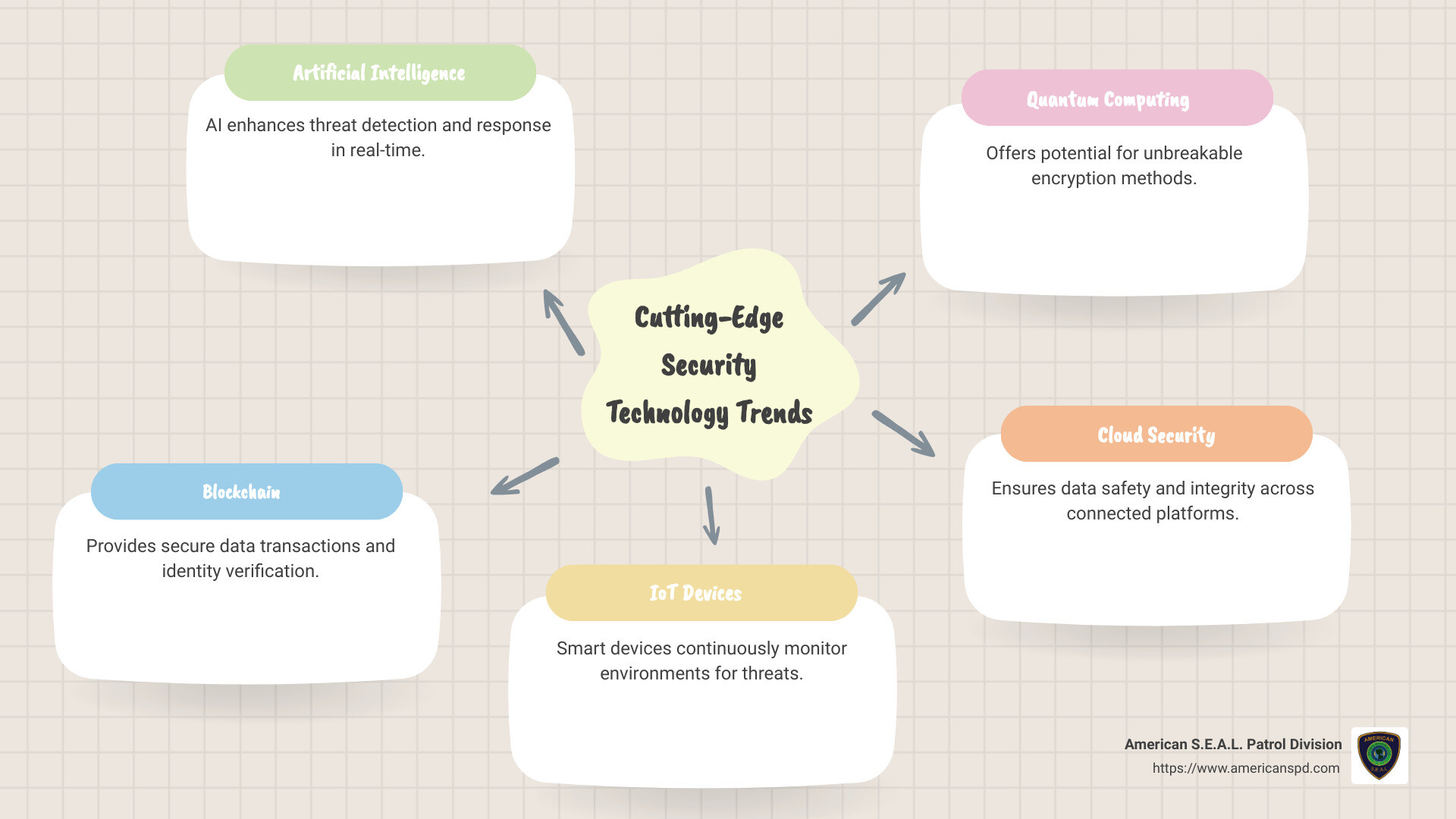
Artificial Intelligence (AI) has become a cornerstone of modern cybersecurity. Imagine a world where security systems learn and adapt on their own. That’s what AI can do. It processes vast amounts of data to identify patterns and detect threats almost instantly. This means quicker responses to cyberattacks and improved protection for sensitive information. AI-driven solutions are like having a vigilant guard who never sleeps.
Robotics is another exciting area. Picture robots patrolling premises, ensuring safety and security. These machines can work alongside human guards, handling routine tasks and freeing up personnel for more complex duties. Robotics improves efficiency and can operate in environments that might be hazardous for humans.
Blockchain technology offers a way to secure data. Known for its use in cryptocurrencies, blockchain is also invaluable in cybersecurity. It creates a tamper-proof record of transactions, making it extremely difficult for hackers to alter data. This transparency and security are critical in protecting digital assets.
IoT Devices (Internet of Things) connect everyday objects to the internet, creating smart environments. While they offer convenience, they also introduce new security challenges. Protecting IoT devices from cyber threats is crucial, as a breach could compromise entire networks. Security solutions are being developed to safeguard these devices, ensuring they remain a benefit rather than a risk.
Quantum Computing is on the horizon, promising to revolutionize data processing. Its immense computing power could potentially break current encryption methods, but it also offers the possibility of creating unbreakable security protocols. As quantum technology evolves, develop security measures that can harness its power safely.
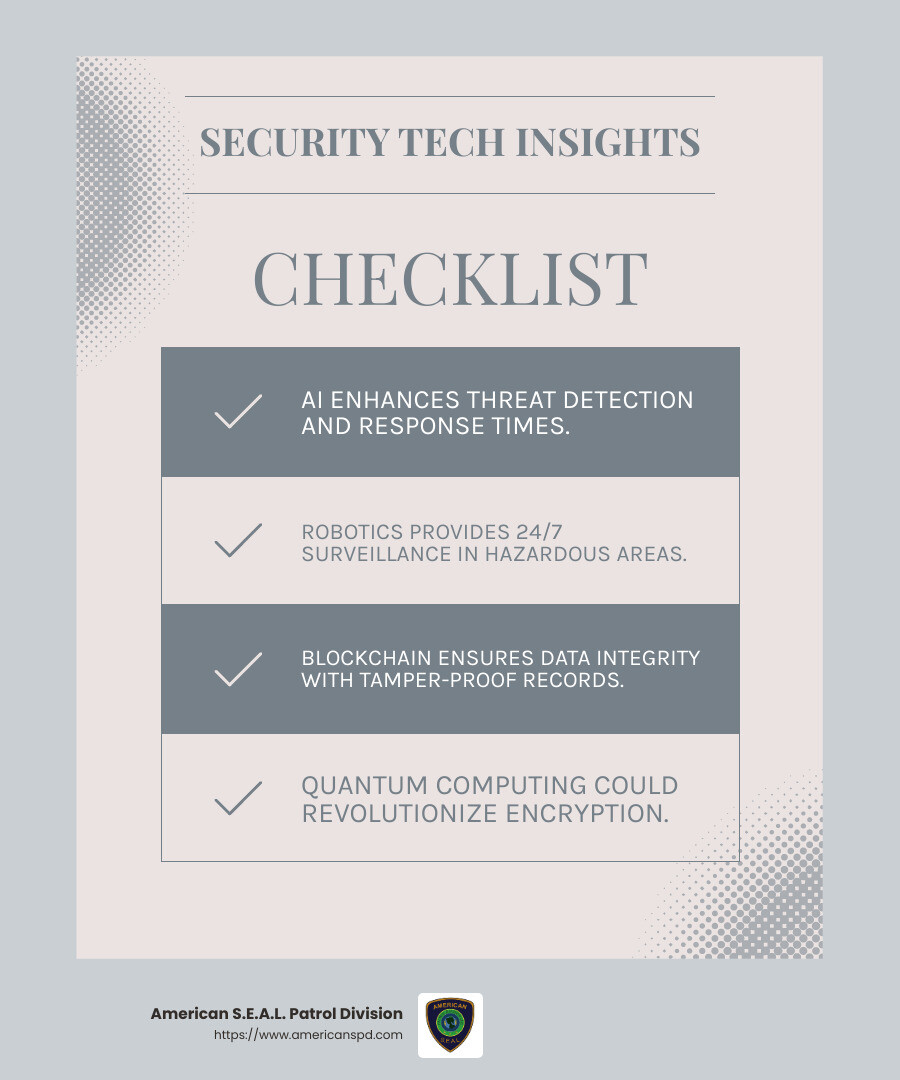
These cutting-edge security technologies are reshaping the cybersecurity landscape. By staying informed and adopting these innovations, organizations can better protect their digital assets and ensure a secure future.
Advanced surveillance and monitoring systems are essential for ensuring security around the clock. These systems provide 24/7 protection, allowing businesses and individuals to monitor their premises at all times. This constant vigilance is crucial in deterring potential threats and quickly addressing any incidents that may arise.
One of the key components of these systems is the use of surveillance cameras. These cameras are strategically placed to cover critical areas, providing comprehensive visual coverage. The latest models offer high-resolution imaging and advanced features like motion detection and night vision, ensuring clear visibility in various conditions.
Another significant advancement is remote viewing access. This feature allows users to monitor their security feeds from anywhere in the world using a smartphone, tablet, or computer. With remote access, you can check on your property in real-time, receive alerts about suspicious activities, and even review recorded footage—all from the convenience of your device. This flexibility means that you never have to be physically present to ensure your property is secure.
The integration of cutting-edge security technology in these systems improves their effectiveness. For instance, AI-driven analytics can automatically identify unusual patterns or behaviors captured by the cameras, alerting security personnel to potential threats. This reduces the time needed to respond to incidents and improves overall security management.
By adopting these advanced surveillance and monitoring systems, businesses and homeowners can achieve peace of mind knowing that their properties are under constant watch. This proactive approach to security not only protects physical assets but also safeguards the well-being of people within these environments.
Artificial Intelligence (AI) is changing how we protect our digital and physical spaces. Its ability to process vast amounts of data quickly makes it an invaluable tool for threat detection.
AI-driven solutions analyze data in real-time to find patterns and anomalies. This means they can spot potential threats that might go unnoticed by human eyes. For example, AI can identify unusual login activities or detect malware before it causes harm. This proactive approach helps to stop attacks before they escalate.
One of the most exciting aspects of AI in security is its automated response capabilities. AI systems can automatically take action when they detect a threat. This might include isolating affected systems, alerting security teams, or even blocking suspicious activities. By automating these responses, organizations can react faster, reducing the risk of damage.
The use of AI in security isn’t just about speed. It’s also about accuracy. AI can continuously learn from new data, improving its threat detection abilities over time. This means it gets better at recognizing both old and new threats.
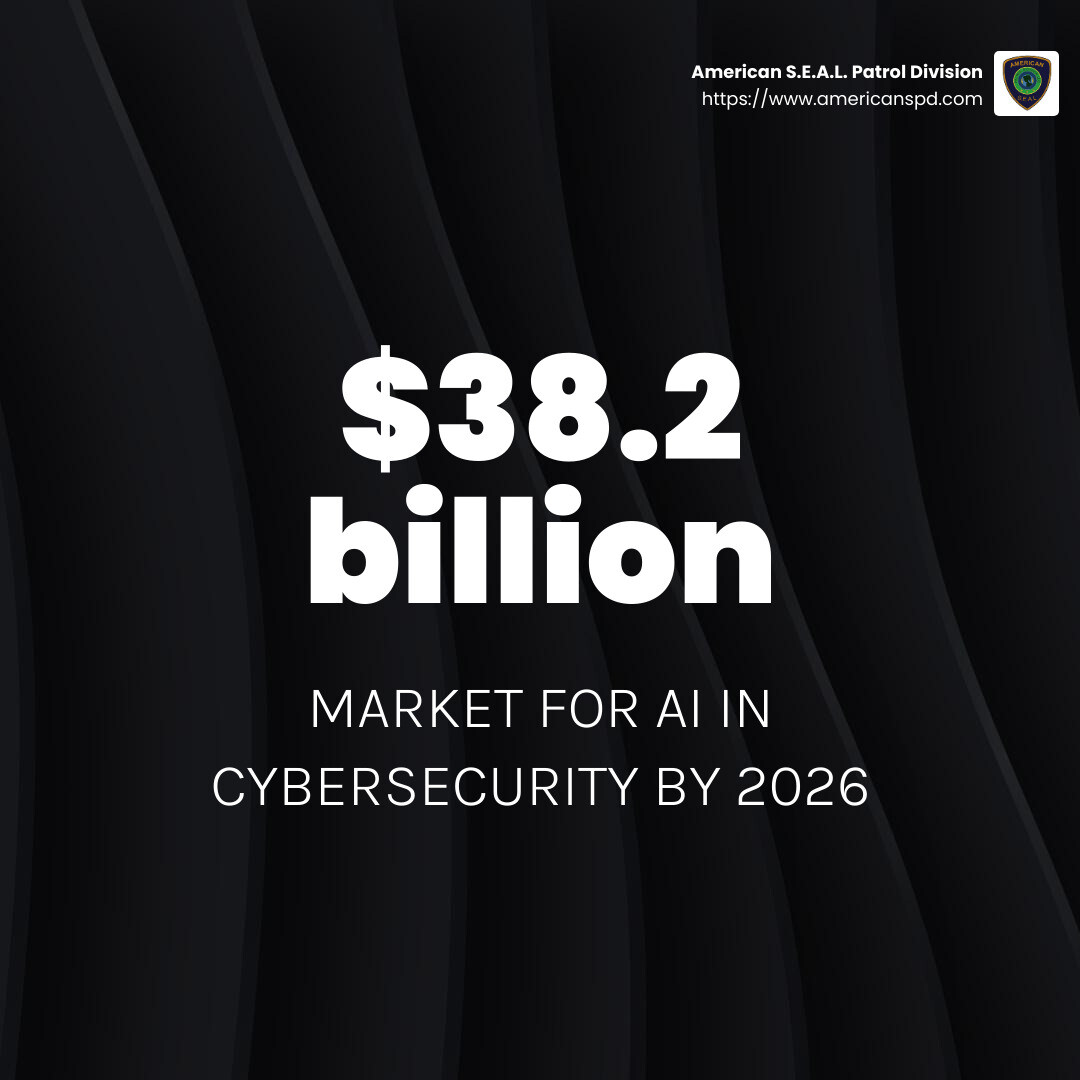
AI’s role in security is growing rapidly. As cyber threats become more sophisticated, AI provides a way to stay ahead. By integrating AI into their security strategies, organizations can improve their defenses and protect their assets more effectively. This makes AI not just a tool, but a critical partner in the fight against cybercrime.
The Zero Trust Security Model is a game-changer in cybersecurity. It flips the traditional idea of trust on its head with a simple mantra: never trust, always verify.
This model assumes that threats can come from anywhere—inside or outside the network. So, it requires continuous authentication and verification for every user and device trying to access the network. No one gets a free pass.
Imagine a secure office building. In the old days, if you had a key card, you could roam freely. But with Zero Trust, you need to show your credentials at every door. It’s like having security guards at every entrance, always checking if you should be there.
Continuous authentication means that even after you’re inside, the system keeps checking if you’re still who you say you are. This might involve re-entering passwords, using biometrics, or confirming your identity through your phone. It’s like having a security badge that needs constant renewal.
This approach drastically reduces the risk of a data breach. Even if a hacker gets in, they can’t move around freely. They face barriers at every turn, making it much harder to cause damage.
Major players like Google Cloud and Microsoft Azure are embracing this model, integrating it into their services to offer tighter security. As digital threats grow, the Zero Trust Security Model becomes not just smart, but essential. It offers a robust framework to protect sensitive data and keep networks safe.
By implementing Zero Trust, organizations can better safeguard their digital assets, ensuring that their security measures are as resilient as possible.
Cloud security is more important than ever. As businesses move their operations to the cloud, they need to ensure their data is safe and accessible. That’s where cloud native security comes in.
Cloud native security means building security measures directly into cloud services. This approach is like having a security system designed specifically for your home, rather than a one-size-fits-all solution. It ensures that the security measures are custom to the unique environment of the cloud, providing robust protection for your data.
One of the key technologies enhancing cloud connectivity and security is SD-WAN (Software-Defined Wide Area Network). SD-WAN allows businesses to connect their offices and branches securely over the internet. It’s like having a private highway for your data, ensuring it travels safely and efficiently. This technology not only improves connectivity but also reduces the risk of data breaches by creating a secure network for data transfer.
Another important concept in cloud security is the Secure Access Service Edge (SASE). SASE combines network security functions with WAN capabilities to support the dynamic, secure access needs of modern organizations. Imagine it as a security checkpoint that ensures only authorized users and devices can access your network, no matter where they are. This approach is crucial for businesses with remote workers or multiple locations, as it provides consistent security across all access points.
By integrating these cutting-edge technologies, organizations can achieve a secure and reliable cloud environment. This not only protects sensitive information but also ensures that businesses can operate smoothly and efficiently in the digital world.
As companies continue to accept the cloud, these innovations in cloud security and connectivity will play a vital role in safeguarding their operations and data.
Cutting-edge technology in cybersecurity refers to advanced tools and systems designed to protect digital assets from cyber threats. These technologies include artificial intelligence (AI), quantum computing, and blockchain, among others. They help organizations stay ahead of cybercriminals by providing innovative solutions for threat detection, data protection, and network security.
Several technologies are leading the way in cybersecurity:
Artificial Intelligence (AI): AI-driven solutions are changing cybersecurity by offering real-time threat detection and automated responses. These systems can analyze vast amounts of data quickly, identifying potential threats before they cause harm.
Quantum Computing: This emerging technology promises to revolutionize data encryption, making it more secure and resistant to cyberattacks. Quantum-resistant encryption algorithms are being developed to protect sensitive information against future threats posed by quantum computers.
Biotechnology: While primarily associated with healthcare, biotechnology is making its way into security. For example, biometric authentication methods, such as fingerprint and facial recognition, are becoming more sophisticated, providing improved security for accessing digital assets.
Cutting-edge technology improves security through a multi-layered approach that combines advanced tools and strategies:
AI and Automation: By automating threat detection and response, AI reduces the time it takes to identify and mitigate cyber threats, minimizing potential damage.
Innovative Solutions: Technologies like blockchain provide secure transaction methods, ensuring data integrity and reducing the risk of fraud.
Quantum Security: As quantum computing evolves, its potential to break traditional encryption methods is countered by developing quantum-resistant algorithms, safeguarding sensitive data.
These technologies work together to create a robust security framework, protecting digital assets from increasingly sophisticated cyber threats. By staying informed and adopting these innovations, organizations can improve their cybersecurity posture and ensure their data remains secure in an changing digital landscape.
American S.E.A.L. Patrol Division stands at the forefront of security services in Texas, leveraging cutting-edge security technology to ensure unparalleled protection for both residential and commercial properties. With over 15 years of experience, we pride ourselves on combining state-of-the-art technology with the expertise of our highly trained personnel to deliver 24/7 monitoring and rapid response.
Our commitment to safety and peace of mind is unwavering. We understand that in today’s world, security needs are constantly evolving. That’s why we continuously invest in the latest technologies and training for our team. Whether it’s through advanced surveillance systems, AI-driven threat detection, or cloud-based security solutions, we ensure that our clients receive the most effective protection available.
Our expert personnel are the backbone of our operations. Equipped with the latest communication tools and trained in both armed and unarmed security measures, they are prepared to handle any situation with professionalism and efficiency. Their dedication to maintaining a safe environment is evident in everything they do, from conducting regular patrols to providing exceptional customer service.
By choosing American S.E.A.L. Patrol Division, you are investing in a security partner that prioritizes your safety through a multi-layered approach. We are here to protect what matters most to you, allowing you to focus on your core activities without security concerns.
For more information on how we can improve your security, visit our security services page. Join us in building a safer tomorrow with our comprehensive and innovative security solutions.
Rapid response software is changing the game by changing how businesses manage supply chain planning through automation and quicker decision-making. If you’re looking for a way to streamline operations and make smarter choices, here’s what you need to know:
For property managers like Sarah Thompson, implementing rapid response software can mean seamless operations and a more proactive approach to managing supply disruptions, keeping everything under control with optimal efficiency.

Rapid response software is a transformative tool in operational management. It offers solutions that help businesses stay ahead by optimizing processes and reducing costs.
At its core, rapid response software is designed to manage the complexities of operations. It provides an all-in-one platform that integrates various aspects of management. This includes everything from planning and execution to distribution and resource management.
One of the standout features of this software is concurrent planning. This means any change in one part of the operation automatically updates the entire plan. It’s like having a living map that adjusts as conditions change.
Demand planning is crucial for any business that wants to meet customer needs without overproducing. Rapid response software excels in this area by using historical data and forecasts to predict future demand. This ensures that companies can plan their schedules accurately, reducing waste and increasing customer satisfaction.
Imagine a large organization preparing for a peak season. With rapid response software, they can analyze past data, current trends, and even external factors to predict what resources will be in demand. This helps them allocate just the right amount, avoiding both shortages and excess inventory.
Another critical function is distribution requirement planning (DRP). This involves determining the best way to distribute resources from the source to the end-user. Rapid response software streamlines this process by providing real-time updates on inventory levels, transportation schedules, and demand forecasts.
For example, a company using rapid response software can quickly adjust its distribution plans if a sudden disruption occurs. The software will suggest alternative routes or methods to ensure timely delivery, minimizing the impact on operations.

This technology isn’t just about managing logistics; it’s about changing how businesses operate. By integrating rapid response software, companies can become more agile, responsive, and efficient.
In the next section, we’ll dive into the key features that make this software indispensable for modern businesses.
Rapid response software is packed with powerful features that help businesses steer the complexities of supply chain management. Let’s explore three key features: automation, scenario planning, and exception-based alerts.
Automation is at the heart of rapid response software. It eliminates the need for manual data entry and repetitive tasks, freeing up valuable time for more strategic activities. With automation, businesses can streamline operations and reduce human error.
Automated Planning Cycles: The software continuously updates plans based on real-time data, ensuring that the supply chain is always aligned with current conditions.
Inventory Management: Automated systems track inventory levels and reorder supplies when needed, preventing stockouts and overstock situations.
Scenario planning is a game-changer for businesses looking to stay ahead of potential disruptions. This feature allows companies to simulate various scenarios and assess their impact on the supply chain.
“What-If” Analysis: Companies can explore different scenarios, such as a sudden increase in demand or a supply chain disruption, and plan accordingly.
Risk Mitigation: By understanding potential risks, businesses can develop contingency plans to minimize impact and maintain continuity.
Imagine a manufacturer facing a potential raw material shortage. With scenario planning, they can explore alternative suppliers or adjust production schedules to mitigate the impact of the shortage. This proactive approach ensures that the business remains agile and responsive.
Exception-based alerts are like an early warning system for the supply chain. They notify businesses of any deviations from the plan, allowing for quick action.
Real-Time Notifications: Alerts are sent immediately when something goes off track, such as a delayed shipment or a sudden drop in demand.
Prioritization: The software prioritizes alerts based on severity, ensuring that critical issues are addressed first.
For instance, if a key supplier experiences a delay, the software will alert the business, allowing them to take corrective action before it affects customers. This feature improves the agility and responsiveness of the supply chain.
With these features, rapid response software empowers businesses to steer the complexities of the modern supply chain with ease. In the next section, we’ll explore the benefits of using this technology and how it can transform your business operations.
When it comes to managing supply chains, rapid response software offers significant advantages. Let’s dig into the key benefits: cost reduction, efficiency, and agility.
One of the major benefits of rapid response software is its ability to reduce costs. By automating planning cycles and optimizing inventory management, businesses can achieve substantial savings.
Reduced Inventory Costs: The software enables a reduction in finished goods, minimizing carrying costs and freeing up capital for other investments.
Decreased Manufacturing Lead Times: With automation, lead times can be reduced, which lowers production costs and improves cash flow.
Imagine a company that traditionally kept excess inventory to avoid stockouts. With rapid response software, they can maintain just the right amount of stock, reducing excess storage costs.
Efficiency is crucial in today’s business environment. Rapid response software improves operational efficiency by streamlining processes and reducing manual tasks.
Shorter Planning Cycles: The software achieves a reduction in planning cycles, allowing businesses to respond more quickly to changes in demand and supply.
Automated Updates: Real-time data updates ensure that all parts of the supply chain are synchronized, reducing the time spent on manual adjustments.
Consider a retailer who needs to adjust their stock levels based on seasonal demand. With rapid response software, they can quickly update their inventory plans, ensuring they meet customer needs without overstocking.
When change is constant, agility is key. Rapid response software equips businesses with the tools they need to stay flexible and responsive.
Real-Time Decision Making: The software provides real-time insights, enabling businesses to make informed decisions swiftly.
Adaptability to Change: Whether it’s a sudden spike in demand or a supply chain disruption, the software helps businesses adapt quickly, maintaining service levels and customer satisfaction.
Think of a logistics company dealing with unexpected weather conditions that impact delivery schedules. Rapid response software allows them to reroute shipments and inform customers promptly, minimizing disruptions.
By leveraging these benefits, businesses can transform their supply chain operations, achieving greater cost savings, efficiency, and agility. In the next section, we’ll explore how this software works and the technology behind it.
To truly understand how rapid response software achieves its benefits, let’s dive into the mechanics: data analysis, real-time updates, and decision intelligence.
At the heart of rapid response software is powerful data analysis. The software gathers and processes massive amounts of data from various sources across the supply chain. This data includes inventory levels, sales forecasts, and supplier information.
By analyzing this data, the software identifies patterns and trends that help businesses anticipate demand and optimize their operations. For instance, it can predict when a product will be in high demand based on historical sales data, enabling companies to prepare in advance.
One of the standout features of rapid response software is its ability to provide real-time updates. This means that any change in the supply chain, whether it’s a delay in shipment or a sudden increase in demand, is immediately reflected in the system.
Real-time updates ensure that all stakeholders have access to the latest information. This synchronization allows for quick adjustments, minimizing disruptions and keeping the supply chain running smoothly.
Imagine a scenario where a supplier notifies a retailer of a delay in delivery. With real-time updates, the retailer can immediately adjust their inventory plans and notify customers of any changes, maintaining transparency and trust.
Decision intelligence is where rapid response software truly shines. By leveraging advanced algorithms and machine learning, the software provides actionable insights that empower businesses to make informed decisions quickly.
For example, if a company faces multiple supply chain disruptions, the software can simulate different scenarios and recommend the best course of action. This might include rerouting shipments, reallocating resources, or adjusting production schedules.
The ability to make data-driven decisions in real-time is what sets rapid response software apart, enabling businesses to maintain a competitive edge in a dynamic market.
In the next section, we’ll address common questions about rapid response software, exploring its uses and advantages in more detail.
Rapid response software is a game-changer in supply chain management. It’s designed to streamline and automate processes, ensuring that businesses can respond quickly to changes and challenges. This software is used to manage demand planning and distribution requirement planning, allowing companies to anticipate needs and allocate resources efficiently. By automating these tasks, businesses can reduce manual errors and focus on strategic decision-making.
Efficiency is at the core of rapid response software. It significantly reduces planning cycles and manufacturing lead times, which are critical components of supply chain management. By providing real-time data analysis and updates, the software allows for quick adjustments to plans and schedules. This agility helps businesses avoid costly delays and maintain smooth operations. Companies using rapid response software often see a reduction in finished goods inventory and an overall increase in supply chain efficiency.
Yes, most rapid response software is offered as a cloud-based platform, often in the form of Software as a Service (SaaS). This means users can access the software from anywhere with an internet connection, providing flexibility and scalability. Being cloud-based also ensures that updates and improvements are rolled out seamlessly, without the need for manual installations or downtime. This accessibility and ease of use are key reasons why many companies choose cloud-based rapid response solutions.
In the following section, we will explore how American S.E.A.L. Patrol Division integrates technology into their security services, enhancing their ability to respond to emergencies effectively.
At American S.E.A.L. Patrol Division, we understand that rapid response software plays a crucial role in modern security solutions. As a premier security service provider in Texas, we integrate cutting-edge technology with our expert personnel to deliver unparalleled protection for both residential and commercial clients. Our commitment to leveraging advanced software ensures that we can offer 24/7 monitoring and swift response times, providing peace of mind to those we serve.
By incorporating technology into our operations, we improve our ability to quickly assess and respond to potential threats. This integration allows our team to maintain a vigilant watch over the properties we protect, ensuring that any suspicious activity is addressed promptly and effectively. Our use of rapid response software streamlines communication and coordination, allowing our officers to focus on what truly matters—keeping you safe.
Our proactive approach has already seen significant success, with a reported crime reduction of over 60% in the largest community in Harris County. This achievement highlights the effectiveness of combining technology with human expertise, a hallmark of our service philosophy.
As we continue to evolve our security offerings, we remain dedicated to utilizing the latest advancements in technology to improve our protective measures. Whether it’s through real-time data analysis or automated alerts, our integration of rapid response software ensures that we are always one step ahead in safeguarding your assets.
For more information on how American S.E.A.L. Patrol Division can provide comprehensive security solutions custom to your needs, visit our security services page. Trust us to protect what matters most to you.
Security guards 24/7 armed and unarmed have become essential for ensuring safety in both residential and commercial properties. Whether you need round-the-clock protection or services custom to specific needs, understanding the options available is crucial. Here’s a quick look at what to expect:
Security services promise not only physical safety but also peace of mind. Both armed and unarmed security personnel play pivotal roles in safeguarding people and property. They deliver constant vigilance and are ready to respond swiftly in emergencies. Thus, opting for 24/7 monitoring ensures your tenants feel secure, and crime rates stay in check.

When considering security guards 24/7 armed and unarmed, it’s important to understand the distinct roles they play in protection and safety.
Armed security guards are trained professionals equipped with firearms. Their presence alone acts as a powerful deterrent against potential threats. In high-risk environments, the sight of an armed guard can prevent incidents before they occur.
These guards are not just about showcasing firearms. They undergo rigorous training to handle firearms responsibly and understand legal boundaries. This training ensures they can respond rapidly and effectively in emergencies, providing a layer of protection that can be crucial in critical situations.
Armed guards are often deployed in areas where the risk of violent crime is higher, such as banks, high-value retail locations, and certain government facilities. Their training includes not only firearm use but also skills in de-escalation and conflict management, ensuring they can handle a wide range of scenarios safely.
Unarmed security guards, on the other hand, focus more on conflict resolution, customer service, and surveillance. They provide a visible security presence that can deter criminal activity through monitoring and reporting suspicious behavior.
Unarmed guards excel in environments where the risk of violent crime is lower, but the need for a security presence is still necessary. They are trained in conflict resolution techniques to defuse situations before they escalate. Their role often includes engaging with the public, offering assistance, and maintaining a welcoming atmosphere.
Additionally, unarmed guards are skilled in surveillance, often monitoring security cameras and patrolling premises to ensure everything is in order. Their ability to observe, report, and act as a liaison with law enforcement if necessary, makes them invaluable in settings like residential communities, schools, and retail environments.
Both armed and unarmed security guards are essential components of a comprehensive security strategy. Whether it’s the deterrent effect of a firearm or the approachable presence of an unarmed guard, each type of security personnel brings unique strengths to the table, ensuring safety and peace of mind around the clock.
Round-the-clock security offers several significant advantages for businesses and communities alike. Understanding these benefits can help you decide the best approach for your security needs.
Having security guards 24/7 armed and unarmed means continuous monitoring of your property. This constant vigilance acts as a strong deterrent against potential criminals. Even when you can’t be present, you can rest assured that trained professionals are keeping an eye on things.
Uninterrupted surveillance helps identify and address issues before they escalate. Whether it’s a suspicious activity or a routine check, 24/7 security ensures nothing goes unnoticed. This proactive approach reduces the likelihood of theft, vandalism, or other unwanted incidents.
Knowing that there is a dedicated team watching over your premises provides peace of mind. Employees, residents, and visitors feel safer, which can improve productivity and customer satisfaction. A secure environment fosters a positive atmosphere where people can focus on their tasks without worry.
Unarmed security guards, known for their conflict resolution and customer service skills, contribute significantly to this sense of security. Their approachable demeanor reassures everyone that help is readily available if needed.
In emergencies, the presence of security guards can be invaluable. Whether it’s an armed guard responding to a potential threat or an unarmed guard managing a medical situation, trained personnel can react swiftly and effectively. They are equipped to handle a range of emergencies, from security breaches to natural disasters.
Security guards are often the first responders, providing immediate assistance and coordinating with emergency services. This quick action can mitigate damage and ensure the safety of everyone involved.

Implementing 24/7 security services is a strategic investment in safety and peace of mind. Whether you opt for armed or unarmed guards, the benefits remain clear: constant vigilance, improved safety, and an effective emergency response plan.
When deciding between armed and unarmed security for your business or community, consider several factors: risk assessment, cost considerations, and the environment in which the security will operate.
The first step in choosing the right security option is to assess the level of risk your property or event faces. High-risk environments, such as banks or high-value asset locations, might require armed security guards. Their presence can deter potential criminals and provide a rapid response to any threats.
On the other hand, places like residential communities or retail stores might benefit more from unarmed security guards. These professionals excel in conflict resolution and maintaining a peaceful environment without the need for weapons. Their skills in surveillance and customer service make them ideal for locations where the primary concern is managing crowds and preventing minor disturbances.
Budget is another critical factor in deciding between armed and unarmed security. Armed security guards often come with higher costs due to the need for specialized training, licensing, and insurance. This can be a significant expense for small businesses or organizations operating in low-risk areas.
Conversely, unarmed security guards can be a more affordable solution while still providing a strong security presence. They are trained to handle various situations without the use of firearms, which can be sufficient for many businesses. The cost savings from hiring unarmed guards can be redirected towards other security measures, such as advanced surveillance systems or additional personnel.
The environment in which the security personnel will operate also plays a crucial role in your decision. For example, in a hospital or school setting, the presence of armed guards might create unnecessary anxiety among staff and visitors. In these environments, unarmed guards can provide a sense of safety without escalating tensions.
In contrast, high-profile events or locations with a history of security threats might benefit from the visible deterrent that armed guards provide. Their presence can reassure attendees and stakeholders that their safety is a top priority.
In conclusion, choosing between armed and unarmed security guards depends on a careful evaluation of your specific needs and circumstances. By considering risk, cost, and environment, you can make an informed decision that best protects your assets and ensures peace of mind.
Security guards come in three main types: government, in-house, and private firms.
Government security guards are employed by federal, state, or local governments to protect public properties and officials. They often work in places like courthouses, government buildings, and public parks.
In-house security guards are hired directly by a business or organization to protect their premises. These guards are part of the company’s staff and are typically familiar with the specific needs and culture of the organization they serve.
Private firm security guards are employed by security companies that provide services to various clients. These guards can be either armed or unarmed, depending on the client’s needs. They offer flexibility and expertise across different environments, from retail stores to industrial facilities.
The use of firearms by security guards is governed by firearm regulations and company guidelines.
Firearm regulations vary by state and often require guards to complete specific training and obtain a license to carry a weapon. These regulations ensure that armed guards are knowledgeable about the legal and safe use of firearms.
Company guidelines further dictate when and how security guards can use their guns. Many companies emphasize de-escalation and conflict resolution before resorting to firearms. Armed guards must understand their legal authority and the limitations of using force in their role.
The primary difference between armed and unarmed security guards lies in their threat level response and job requirements.
Armed security guards are equipped with firearms and are trained to handle high-risk situations. They are often employed in environments where there is a greater likelihood of serious threats, such as banks or high-value asset locations. Their job requirements include rigorous training in firearms use, legal authority, and emergency response.
Unarmed security guards, on the other hand, focus on conflict resolution, surveillance, and maintaining order without weapons. They are ideal for environments like residential communities, retail stores, and educational institutions, where the presence of firearms might not be necessary or could cause anxiety. Their training emphasizes customer service, observation skills, and non-violent conflict management.
Choosing between armed and unarmed security depends on assessing the specific security needs and the potential threats faced by a business or community. Each type of guard offers distinct advantages custom to different security scenarios.
At American S.E.A.L. Patrol Division, security is more than just a service—it’s our promise. With over 15 years of experience, we have honed our expertise to deliver top-notch security solutions that cater to both residential and commercial needs.
Our expert personnel are the backbone of our operations. Every member of our team undergoes rigorous training to ensure they are equipped to handle any situation, whether it requires the presence of armed or unarmed security guards. This training focuses on conflict resolution, emergency response, and maintaining a professional demeanor at all times.
But we don’t stop there. We combine this human expertise with cutting-edge technology. Our 24/7 monitoring systems and rapid response capabilities ensure that your premises are always under vigilant protection. Whether it’s through CCTV monitoring or GPS-tracked patrols, we use the latest advancements to keep you safe.
Our commitment to security doesn’t just protect your assets—it provides peace of mind. With American S.E.A.L. Patrol Division, you can rest easy knowing that your security needs are in the hands of professionals who prioritize your safety above all else.
Ready to improve your security? Contact us today to learn more about our comprehensive security solutions and how we can serve you. Your safety is our mission, and we are here to protect what matters most to you.
24 7 alarm monitoring is a crucial component of modern security systems, offering relentless vigilance and rapid emergency response to safeguard properties around the clock. Whether managing residential or commercial spaces, the peace of mind from knowing someone is always watching over your properties, even when you’re not there, is invaluable.
Here’s what 24 7 alarm monitoring provides:
In today’s unpredictable world, having a safety net that responds instantly to emergencies isn’t just a luxury—it’s a necessity. Imagine being at ease, knowing that any form of distress would trigger an immediate response from professional monitors dedicated to your safety.

24/7 alarm monitoring is like having a vigilant guardian for your home, always on duty. It ensures continuous protection by keeping an eye on your property every minute of the day, every day of the year. This means that whether you’re asleep, at work, or on vacation, your home is never left unguarded.
With professional monitoring, trained experts are ready to spring into action the moment an alarm is triggered. These professionals don’t just watch; they verify the nature of the alarm and take appropriate steps to address the situation. This could mean contacting you or dispatching emergency services if needed. The goal is to ensure that help is on its way as quickly as possible.
One of the standout features of 24/7 alarm monitoring is its ability to facilitate emergency dispatch. Imagine a scenario where a fire breaks out while you’re away. A monitored system detects the smoke and instantly alerts the monitoring center. The trained staff can then dispatch the fire department to your home, potentially saving lives and reducing damage.
24/7 alarm monitoring offers a seamless blend of technology and human oversight, providing a robust shield against threats and emergencies. It’s not just about catching intruders; it’s about creating a safer environment for you and your loved ones.
24/7 alarm monitoring offers a host of benefits that make it an invaluable addition to any home security setup. Here’s a closer look at three key advantages:
Imagine the peace of mind knowing that your home is protected against intruders at all times. With 24/7 alarm monitoring, any unauthorized entry triggers an immediate response. A real-life story highlights this benefit: when an intruder broke into a homeowner’s property, the monitoring team quickly contacted the authorities, ensuring a swift police response.
This rapid reaction not only helps in catching the intruder but also minimizes potential damage or loss.
Fire and carbon monoxide (CO) are silent threats that can cause significant harm. With monitored smoke and CO alarms, you’re not just relying on a loud siren. The system sends an alert to the monitoring center, which can dispatch emergency services even if you’re not home.
Consider the case of a homeowner who fell asleep with pizza rolls in the oven. The monitored system detected smoke, alerted the monitoring center, and possibly saved a life by ensuring the fire department was notified in time.
Many insurance companies recognize the added safety provided by 24/7 alarm monitoring and offer discounts on homeowners insurance. These discounts can often offset a significant portion of the monitoring fees, making it a cost-effective choice for enhancing home security.
By reducing the risk of break-ins and damage from fires or CO leaks, insurance companies see monitored homes as less risky, rewarding homeowners with lower premiums.
In summary, 24/7 alarm monitoring provides a comprehensive safety net for your home, offering quick responses to intrusions, life-saving alerts for fire and CO, and potential savings on insurance. This combination of benefits makes it an essential component of modern home security systems.
To truly understand the power of 24/7 alarm monitoring, see how it operates behind the scenes. Let’s break it down into three main components: signal transmission, the central station, and rapid response.
When your security system detects an event—like a break-in, fire, or carbon monoxide leak—it sends a signal. This signal can travel through phone lines, the Internet, or cellular towers. This flexibility ensures that no matter the situation, the alert reaches the central station promptly.
The central station is the heart of the monitoring system. It’s where trained professionals are on standby 24/7, ready to act. At American S.E.A.L., our central stations are equipped with robust technology and have multiple backups for power, phone, and recording systems.
Upon receiving a signal, the central station’s computer system displays the data to a professional who assesses the situation. If necessary, they will call your home or cell to verify the alert. If there’s no response or the correct password isn’t provided, they dispatch the appropriate emergency services.
Rapid response is crucial in emergency situations. At American S.E.A.L., our systems are designed to avoid unnecessary delays. Unlike some systems that have “dialer delays,” our setup ensures that once a signal is triggered, it is immediately transmitted to the central station.
Consider a real-life scenario: a homeowner was alerted to water in their basement during their daughter’s wedding. Thanks to the rapid response of the monitoring system, they were able to call a neighbor to address the issue, preventing further damage.
24/7 alarm monitoring works seamlessly to ensure that every second counts in an emergency. From the moment a signal is detected to the swift action taken by the central station, the process is designed to provide peace of mind and safety.
Next, let’s dive into some common questions about 24/7 alarm monitoring to clear up any lingering doubts.
24/7 professional monitoring means that your home or business is continuously watched by trained professionals. These experts are ready to respond to any alerts from your security system, whether it’s a break-in, fire, or carbon monoxide leak. They will contact you and your emergency contacts to verify the situation and, if necessary, dispatch emergency services to your location. This constant vigilance ensures you have peace of mind knowing that help is always available.
To enroll in professional monitoring, you’ll need a compatible security system offered by American S.E.A.L. Patrol Division. Start by choosing a subscription plan that offers comprehensive monitoring services. Here’s a simple setup guide:
Yes, there might be additional fees beyond the basic subscription cost. Here’s what to expect:
By understanding these aspects, you can better prepare for the costs associated with maintaining a professionally monitored alarm system. This investment not only improves security but can also provide discounts on homeowners insurance, offsetting some of the expenses.
At American S.E.A.L. Patrol Division, we pride ourselves on offering top-notch security solutions that blend expert personnel with cutting-edge technology. Our commitment to delivering the best in 24/7 alarm monitoring ensures that your home or business is always protected. With over 15 years of experience in the security industry, we’ve honed our services to meet the unique needs of our clients in Texas.
Our team of highly trained professionals is dedicated to providing rapid response and continuous protection. We employ state-of-the-art technology to monitor your premises, ensuring any threat is swiftly addressed. This combination of human expertise and technological innovation gives you unparalleled peace of mind.
Choosing American S.E.A.L. Patrol Division means opting for a security partner that understands the importance of safety and reliability. Our 24/7 monitoring services are designed to keep you informed and protected, day and night. Whether it’s responding to emergencies or providing real-time alerts, we are always ready to act.
For those seeking comprehensive security solutions, our services offer more than just protection—they offer confidence and peace of mind. Find how our custom security services can safeguard what matters most to you. Learn more about our security services here.
Home security and surveillance are crucial for everyone who wants to ensure their property is protected around the clock. Here’s what you need to know about home security systems and surveillance:
In an age where technology evolves rapidly, protecting what matters most has never been easier. Security systems not only deter crime but also provide peace of mind by keeping an eye on your property whether you’re there or not.
Once upon a time, securing a home meant heavy locks and hope. Today, it means round-the-clock surveillance with smart devices that connect straight to your phone. Whether you’re managing several properties like Sarah Thompson or just your own home, modern security systems provide cutting-edge solutions to fit every need, making residents feel secure and businesses protected. As you’ll see in this guide, picking the right system can make all the difference for your peace of mind.

When it comes to home security and surveillance, many people think they are the same. But they have different roles and objectives.
Surveillance is all about monitoring. It involves keeping an eye on your property to catch any suspicious activity. Think of it like having a digital guard that watches over your home 24/7. Surveillance cameras record footage, which can be crucial for evidence if something goes wrong. They are often used in businesses and homes to keep track of who comes and goes.
Security, on the other hand, is more about prevention. Security systems aim to stop incidents before they happen. They include alarms, locks, and other devices that make it hard for intruders to get in. Security systems can alert you or the authorities if there’s a breach, providing a first line of defense.
Deterrence: A visible camera or alarm system can scare off potential intruders. They see it and think twice before breaking in.
Evidence Collection: If a crime does occur, recorded footage from surveillance cameras can be vital. It helps in identifying suspects and understanding the sequence of events.
Peace of Mind: Knowing that your home is being monitored provides comfort. Whether you are at home or away, you can relax knowing your property is protected.
Real-time Alerts: Many modern systems send notifications to your phone. If something unusual happens, you’ll know right away.
In home security and surveillance, combining both systems offers the best protection. Cameras watch over your property, while security systems act if something goes wrong. By understanding their purposes and objectives, you can better protect what matters most to you.
When choosing a top-notch home security system, several features stand out. These include camera quality, self-monitoring capabilities, and innovative sensors like glass-break detectors.
High-resolution cameras are essential for effective home security and surveillance. They capture clear images and videos, making it easier to identify faces, license plates, and other critical details. For instance, the Arlo Pro 5S 2K Spotlight Camera offers up to 2K resolution, HDR, and a 160-degree field of view. This means you won’t miss a thing, day or night.
Self-monitoring allows homeowners to keep an eye on their property from anywhere. Many modern systems come with mobile apps that send real-time alerts to your smartphone. This feature lets you react promptly to any suspicious activity. Systems like those from American S.E.A.L provide user-friendly applications for remote monitoring, ensuring you’re always connected to your security setup.
Glass-break sensors are a valuable addition to any security system. They detect the sound of breaking glass, which is a common entry method for burglars. This early warning system can trigger alarms and notifications, giving you and authorities a heads-up before an intruder even enters the home. Such proactive measures improve the overall security of your home.

In 2024, the blend of advanced camera technology, self-monitoring, and smart sensors provides a comprehensive defense against potential threats. These features not only deter criminals but also offer peace of mind, knowing your home is under constant, effective surveillance.
When it comes to home security and surveillance, choosing between wired and wireless security cameras can be a pivotal decision. Each has its own set of benefits and considerations, which we’ll break down here.
Reliability and Consistency: Wired security cameras are known for their reliable connection. Since they are hardwired into your home’s electrical system, they don’t suffer from signal interference or connectivity issues that can affect wireless systems. This makes them ideal for areas with poor Wi-Fi coverage.
Higher Quality Video: Wired systems often support higher video quality. This is because they transmit data directly through cables, avoiding the compression that can occur with wireless transmission. Systems like the Night Owl 12 Channel 8 Camera Wired System provide clear 2K video, crucial for identifying details like faces and license plates.
Security: Wired cameras are generally less susceptible to hacking. Since they don’t rely on Wi-Fi, they aren’t as exposed to potential cyber threats, offering a more secure option for homeowners concerned about privacy.
Ease of Installation: Wireless cameras are typically easier to install. They don’t require running cables through walls, which can be a daunting task for many homeowners. This makes them a great choice for renters or those who might move soon.
Flexibility: Wireless systems offer greater flexibility in camera placement. You can place them almost anywhere within Wi-Fi range, making it easy to cover hard-to-reach areas. For instance, the Blink Outdoor 4 Wireless Camera System can be set up without needing to worry about power outlets, thanks to its battery-powered design.
Portability: If you plan to relocate or simply want to rearrange your cameras, wireless systems can be moved easily. This is a significant advantage over wired systems, which are more permanent once installed.
Wired Systems: Installation involves running cables from each camera to a central hub or DVR. This can be labor-intensive and might require professional help, but once set up, these systems offer a stable, high-quality surveillance solution.
Wireless Systems: These are more DIY-friendly. Most models come with detailed instructions and user-friendly apps for setup. However, they depend on a strong Wi-Fi signal and periodic battery recharges, which could be seen as a drawback for some users.
In summary, the choice between wired and wireless security cameras depends largely on your specific needs and circumstances. Wired cameras offer reliability and high video quality, while wireless cameras provide convenience and flexibility. By weighing these factors, you can select the best option to improve your home’s security.
When considering home security and surveillance, there are a few key practices that can make a big difference in keeping your property safe. Let’s explore the essentials: deterrence, evidence collection, and peace of mind.
Visible security cameras can be a strong deterrent to potential intruders. Studies have shown that the mere presence of cameras can reduce the likelihood of a break-in. For example, a report by the University of North Carolina found that 60% of burglars would avoid a house with visible cameras.
To maximize this effect, place cameras in prominent locations around your home, such as near entry points and in the yard. Consider complementing them with security lighting and smart doorbells for added visibility.
In the unfortunate event that a security breach occurs, having high-quality video footage can be invaluable. Cameras with high resolution, such as 4K models, capture clear images that can help identify intruders. This footage can be crucial for police investigations and insurance claims.
Tip: Ensure your cameras have night vision capabilities to capture clear footage in low-light conditions. For example, the Lorex 4K Spotlight Camera offers excellent night vision with a spotlight feature.
Knowing that your home is monitored can provide significant peace of mind. Many modern security systems allow you to view live footage and receive alerts on your smartphone. This means you can keep an eye on your property from anywhere, at any time.
Integrating your cameras with a broader security system, including alarms and motion sensors, can further improve your sense of security. This comprehensive approach ensures that you are alerted to any unusual activity, allowing you to act quickly.
By focusing on deterrence, evidence collection, and maintaining peace of mind, you can create a robust security setup that protects your home and loved ones effectively.

While often used interchangeably, surveillance and security serve distinct purposes. Surveillance cameras are primarily designed to monitor and record activities within a specific area. They provide continuous observation and are often used for collecting evidence. This is especially valuable in identifying intruders or understanding incidents after they occur.
Security cameras, on the other hand, are part of a broader home security system. They not only capture footage but also integrate with alarms and other security measures. This integration enables immediate responses to potential threats, such as triggering an alarm when motion is detected.
A security system is comprehensive. It includes cameras, alarms, sensors, and sometimes even AI features. These systems are designed to deter intruders, detect unauthorized entry, and alert homeowners or authorities. AI features, like facial recognition, improve these systems by identifying specific individuals or differentiating between humans and animals.
A surveillance system focuses mainly on recording and monitoring. It involves setting up cameras in strategic locations, both indoors and outdoors. These systems are crucial for evidence gathering, providing detailed footage that can be reviewed after an incident.
Installation areas differ as well. Security systems often cover entry points like doors and windows, while surveillance systems might be placed in broader areas for continuous monitoring.
Absolutely. Home surveillance cameras offer a significant deterrent effect. As mentioned earlier, visible cameras can dissuade potential intruders. They also play a crucial role in evidence gathering. High-resolution footage can assist law enforcement in solving crimes and help homeowners with insurance claims.
Moreover, these cameras contribute to overall home protection. By monitoring activities around your property, they provide peace of mind. Many modern cameras offer features like remote viewing, allowing you to check on your home from anywhere.
Incorporating surveillance cameras into your home security strategy not only improves protection but also ensures that you have a reliable system in place to safeguard your property and loved ones.
Safeguarding our homes is more important than ever. At American S.E.A.L. Patrol Division, we are committed to providing top-notch home security and surveillance solutions that ensure your peace of mind. Our approach combines cutting-edge technology with the expertise of highly trained personnel to deliver best security services.
With over 15 years of experience, we specialize in both residential and commercial protection across Texas. Our systems are designed to be both comprehensive and customizable, fitting the unique needs of each property. Whether it’s our 24/7 monitoring, rapid response services, or the integration of advanced surveillance technology, we ensure that your security is never compromised.
Our personnel are not just security experts; they are guardians of your home. They use the latest advancements in surveillance technology to provide you with a seamless security experience. This includes high-resolution cameras, smart motion detection, and real-time alerts that keep you informed and in control, no matter where you are.
By choosing American S.E.A.L. Patrol Division, you’re not just investing in a security system; you’re investing in a partnership that prioritizes your safety and security. Our commitment to excellence and customer satisfaction sets us apart as industry leaders in home security and surveillance.
For more information on how we can help secure your home, visit our Security Services page. Let us be your trusted partner in safeguarding what matters most.
Apartment building access control systems play a crucial role in enhancing security and ensuring tenant safety. Property managers like Sarah Thompson, tasked with overseeing multiple residential and commercial properties, face security challenges that demand effective solutions. Here’s a quick overview of why these systems are essential:
Property managers must balance tenant safety with the complexity of managing large buildings. Incorporating apartment building access control systems simplifies this by using technology to guard against unauthorized entry. Whether through key fobs, mobile access, or cloud-based systems, these solutions ensure only the right individuals can access certain areas.
With increasing package theft and security awareness among residents, these systems are not just about access but also about building trust and securing intentional communities. A secure building is an attractive building — residents are willing to pay more for a place they feel safe.

An apartment building access control system is a security solution that manages who can enter a building or specific areas within it. It automates entry, allowing only authorized individuals to access the premises, which significantly improves security.
Imagine arriving at your apartment after a long day. With automated entry, you don’t need to fumble for keys. Instead, you can use a key fob, a mobile app, or even a keypad to open up the door effortlessly. This technology ensures that access is quick and convenient for residents while keeping unauthorized individuals out.
These systems rely on access credentials, such as key cards, mobile apps, or biometric data, to verify identities. When a resident or staff member presents their credential at an access reader, the system checks its database to confirm their authorization. If everything matches, the door open ups. This process not only secures the building but also provides a seamless entry experience for those who live or work there.
Access control systems are a game-changer for apartment complex security. They create a digital trail of entry and exit logs, making it easier to track who accessed the building and when. This feature is crucial for incident investigations and improves overall security management.

Additionally, many modern systems offer integration with other security features, like CCTV cameras and motion sensors. This means that if an unauthorized entry attempt occurs, security staff can quickly cross-reference access logs with video footage to identify potential threats.
In summary, apartment building access control systems are essential for maintaining a secure and convenient living environment. They automate entry, ensure only authorized access, and significantly improve the security of residential buildings. For property managers and residents alike, these systems offer peace of mind and a safer community.
When it comes to securing an apartment building, a variety of apartment building access control systems are available. Each type offers unique features that cater to different security needs and preferences. Let’s explore some popular options:
Key fobs and key cards are among the most common access control solutions. They’re simple to use and require residents to present a small device to an access reader. RFID technology is often used to verify the credentials, allowing entry once authorization is confirmed.
Cloud-based access control systems leverage the internet for improved flexibility and control. These systems allow property managers to update directories and manage permissions remotely, without needing to be on-site.
Mobile access systems turn smartphones into digital keys. Using apps or Bluetooth technology, residents can open up doors with their phones, providing a seamless and modern entry experience.
Intercom systems with door release functions are ideal for visitor management. Residents can communicate with guests through the intercom and remotely grant access by pressing a button.
Keypads offer a straightforward way to control access, especially for shared spaces like gyms or rooftops. Residents enter a unique PIN code to gain entry.
Each of these apartment building access control systems provides distinct advantages and challenges. The right choice depends on the specific needs of the property and its residents. Whether prioritizing convenience, security, or a mix of both, there’s a system that can meet those requirements.
Understanding how apartment building access control systems function can help you see why they’re essential for modern security. Let’s break down the key components that make these systems effective:
The access control panel is the brain of the system. It stores all the resident authorization data. When someone tries to enter, the panel checks their credentials against its database. If everything matches, the door open ups.
It can be a physical device hidden away in a closet or cloud-based software that you can manage from anywhere with internet access. This flexibility is a big plus for property managers who need to update permissions or review logs remotely.
A card reader is what residents interact with when entering a building. It’s usually installed on the outside of doors. Residents present their key fob or card to the reader, which scans the credential and sends encrypted information to the access control panel.
Inside the building, you might find a “request to exit” button or sensor instead of a reader. This makes it easy to leave without needing to scan again.
Access credentials are what residents use to gain entry. They can be a key card, fob, mobile app, or even a fingerprint.
Once the access control panel verifies the credentials, it sends a signal to the door release mechanism. This mechanism is either an electronic or magnetic lock that open ups the door for authorized individuals.
This ensures that only those with the right permissions can enter, keeping unauthorized people out.
With these components working together, apartment building access control systems provide a secure and efficient way to manage entry. They offer peace of mind to residents and property managers alike, knowing that access is controlled and monitored effectively.

Apartment building access control systems offer a range of advantages that improve security and convenience for everyone involved—from residents to property managers. Let’s explore some key benefits:
One of the standout features of these systems is the ability to maintain comprehensive audit trails. Every entry and exit is logged with precise date and time stamps. This creates a detailed record of who accessed the building and when.
Why does this matter? In the event of an incident, these logs can be invaluable for investigations. They provide a clear, unbiased account of access events, making it easier to pinpoint issues and address them swiftly.
If you opt for a video-enabled system, you can even get snapshots of each person entering, adding another layer of security.
Gone are the days when residents had to fumble with keys. Modern access control systems offer a variety of credential options, such as key fobs, mobile apps, or even biometric scans.
This convenience is a major plus for residents, who appreciate the ease of getting in and out without hassle.
Managing visitors can be tricky, but access control systems simplify the process. Features like virtual keys or intercom systems allow residents to grant access to guests without leaving their units.
For example, a resident can send a one-time code to a visitor, which grants them temporary access. This ensures that only authorized guests enter the premises, enhancing overall security.
Another significant advantage is the ability to integrate with other security and property management technologies. These systems can work alongside video surveillance, motion sensors, and even smart home devices.
For property managers, this means you can control and monitor everything from a single platform. Need to update tenant information or review entry logs? You can do it all remotely, thanks to cloud-based solutions.
This level of integration not only streamlines operations but also boosts the overall security framework of the property.
By offering these benefits, apartment building access control systems provide a safer, more convenient living environment. They ensure that access is well-managed, which is crucial for maintaining peace of mind for both residents and property managers.
Controlled access in an apartment building means that entry is restricted to authorized individuals only. This system requires residents and approved visitors to use specific credentials, such as key fobs, cards, or mobile apps, to enter the building. This setup improves security by ensuring that only those with permission can access the property.
Imagine arriving at your apartment and simply tapping your key fob or using your smartphone to open up the door. This is how controlled access operates—it’s about making sure the right people get in while keeping unauthorized ones out.
Controlling access to a building involves multiple components working together to ensure security. Here’s a simple breakdown:
Access Readers: These devices are installed at entry points to scan credentials. They verify if the person trying to enter is authorized.
Electronic Locks: Once the access reader confirms the credentials, it sends a signal to the electronic lock to open the door.
Control Panels: These panels manage the entire system. They store information about who is allowed access and trigger the door release when the credentials are verified.
By integrating these elements, buildings can efficiently manage who enters and exits, making it a seamless process for both residents and visitors.
Access control systems come in various forms, each with unique features to suit different needs. Here are a few common examples:
Keycard Scanners: These are widely used in hotels and apartments, allowing entry with a simple swipe or tap of a card.
Biometric Readings: These systems use fingerprints or facial recognition to grant access, offering a high level of security by ensuring that only the right person can enter.
VPN Access: While more common in digital security, VPN access can also be used in building security to control remote access to certain areas.
These systems not only provide security but also offer convenience and flexibility, making them an essential component of modern apartment living. They ensure that access is both secure and hassle-free, providing peace of mind for residents and property managers alike.
At American S.E.A.L. Patrol Division, we understand that safety is more than just a necessity—it’s a promise we make to our clients. With over 15 years of experience in providing security solutions across Texas, we combine cutting-edge technology with expert personnel to deliver best protection for your apartment complex.
Our approach focuses on integrating apartment building access control systems that not only improve security but also offer peace of mind. By implementing systems that use key fobs, mobile apps, and biometric readings, we ensure that only authorized individuals can access your property. This means residents can feel safe and secure, knowing that their home is protected 24/7.
Moreover, our systems offer seamless integration with video surveillance and other security measures, allowing property managers to monitor and control access effortlessly. This not only improves safety but also streamlines operations, making it easier to manage the building efficiently.
When security challenges are changing, American S.E.A.L. Patrol Division remains committed to providing innovative solutions that meet the unique needs of each property. Our goal is to create a secure environment where residents can live without worry, and property managers can operate with confidence.
For more information on how we can improve your apartment complex’s security, visit our security services page. Let us help you achieve the peace of mind you deserve.
By focusing on robust access control systems and integrating them with our comprehensive security services, we make sure your apartment complex is not just a place to live, but a sanctuary of safety and comfort.