Houston & Harris County  ·  Licensed by Texas DPS PSB #C28662701  ·  Bonded & Insured
24/7 Dispatch  (832) 530-5338
American S.E.A.L. Patrol Division logo American S.E.A.L.Patrol Division LLC

Armed vs. Unarmed Security Guards in Houston: How to Choose for Your Property

Moe Shariff · July 7, 2026
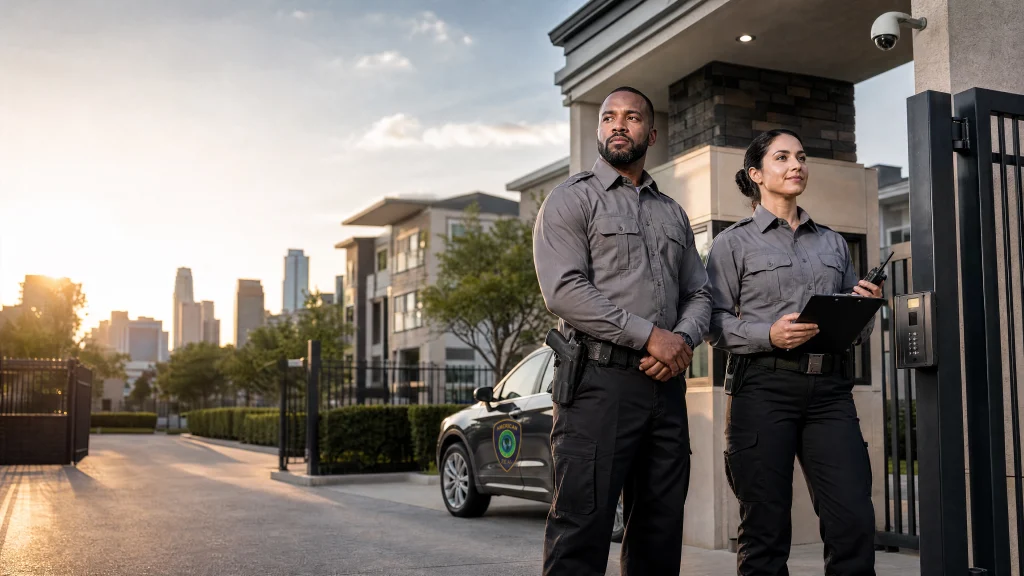
Two Houston security officers—one armed, one unarmed—patrolling an apartment community entrance, showing how to choose between armed vs unarmed security guards Houston

Choosing between armed and unarmed security guards in Houston isn’t just a budget decision—it’s about risk, resident experience, and policy. This guide compares both options in plain language and shows how many Houston properties combine guard types, patrols, and technology for balanced coverage. If you’re evaluating vendors or refining your guard staffing model, you’ll find a practical, Houston‑focused framework here—plus how American S.E.A.L. Patrol Division builds property‑specific plans with GPS‑verified patrol logs and 24/7 live dispatch. For an overview of our offerings, see our page on quality Houston security services.

Armed vs unarmed security guards Houston refers to choosing between commissioned officers authorized to carry firearms and trained unarmed professionals focused on prevention, visibility, and de‑escalation. The right fit depends on your property’s risk profile, resident experience goals, policies, and budget.

Quick Take: The Core Difference and When Each Makes Sense

  • Armed guards: Commissioned officers who can carry firearms. Best where there’s credible threat potential—after‑hours criminal activity, repeat trespass/theft, or high‑value assets and cash handling. Often used at night, on weekends, or during known risk windows.
  • Unarmed guards: Trained professionals focused on prevention, presence, and service. Ideal where visibility, rapport, and de‑escalation matter—daytime lobby coverage, community rules reinforcement, visitor management, and amenity oversight.
  • Courtesy officers: Often unarmed, resident‑facing personnel who serve as eyes and ears in common areas and help with light policy reminders. They support community culture and customer service but do not replace law enforcement.

Many Houston communities succeed with a blended model: unarmed days for service and prevention, armed nights for deterrence and faster response to higher‑risk conditions—supported by mobile patrols, CCTV monitoring, and gate access control.

How to Evaluate Your Property’s Risk in Houston

External Factors: Neighborhood patterns, access points, parking, gates

  • Neighborhood patterns: Consider nearby retail corridors, nightlife zones, transit hubs, and cut‑through traffic streets. Properties near busy commercial areas or open parking may see higher after‑hours activity.
  • Access points and gates: Count pedestrian gates, vehicle entries, and shared access areas with neighboring properties. Gaps in fencing and malfunctioning gates invite opportunistic trespass.
  • Parking and lighting: Large surface lots, multi‑level garages, and dim corners increase concealment and vehicle‑related incidents. Lighting audits matter.

Internal Factors: Occupancy, amenities, visitor volume, delivery traffic

  • Occupancy and turnover: High resident turnover and short‑term stays can raise visitor volume and unknown‑guest traffic.
  • Amenities: Gyms, pools, lounges, and package rooms draw outsiders when not controlled. Amenity hours should match patrol patterns.
  • Deliveries: Rideshare, food delivery, and parcel carriers need orderly, well‑signed access. Unmanaged docks and lobbies are easy entry points.

Incident History and Reporting Quality (why time‑stamped, GPS‑verified logs matter)

Past incident data tells you when and where to staff. But what you measure matters as much as what you recall. Time‑stamped, GPS‑verified logs and consistent incident documentation reveal:

  • Peak issue windows (e.g., 11 p.m.–3 a.m.)
  • Specific problem areas (south garage stairwell, back gate, package room)
  • Patterns tied to events (paydays, school breaks, sporting events)

American S.E.A.L. Patrol Division provides mobile vehicle and foot patrols with GPS‑verified, time‑stamped logs and 24/7 live dispatch so managers can see exactly when and where patrols occurred—and connect that coverage to outcomes.

Armed Security Houston: Capabilities, Best Fits, and Considerations

When Armed Guards Are Appropriate (threats, after‑hours risks, high‑value assets)

Choose armed security Houston coverage when your risk profile includes:

  • Repeated after‑hours trespass, break‑ins, or vandalism
  • Ongoing theft from vehicles or storage areas
  • High‑value assets, on‑site cash handling, or specialized facilities
  • Documented threats to staff or residents
  • Properties near nightlife zones with spillover incidents

An armed presence can increase deterrence and response capability when credible threats exist, especially overnight and on weekends.

Resident Experience, Policy, and Liability Considerations

  • Resident perception: Some residents feel safer with armed coverage; others prefer a lighter presence. Gauge your community’s comfort level.
  • Policy alignment: Confirm property rules, insurance requirements, and legal considerations before introducing firearms on site.
  • Training and supervision: Use licensed, bonded, insured providers whose commissioned officers follow clear post orders and de‑escalation protocols.

Integration with CCTV Monitoring and Gate Access Control

  • Live CCTV monitoring to identify activity in real time
  • Gate access control to manage entries and quickly lock down problem areas
  • 24/7 dispatch to direct guards to priority zones and coordinate with law enforcement

American S.E.A.L. Patrol Division integrates guard operations with CCTV monitoring, gate access response, and live dispatch to turn information into action.

Unarmed Security Houston: Strengths, Use‑Cases, and Community Impact

De‑escalation, Visibility, and Customer Service Benefits

Unarmed security Houston coverage shines where prevention and hospitality matter:

  • Lobby, concierge, and package room oversight
  • Amenity checks and rules reminders
  • Visitor verification and vendor escorts
  • Routine patrols that build resident rapport

Unarmed officers focus on presence, observation, communication, and early intervention—reducing the chance that issues escalate.

Courtesy Officers for Common Areas: What They Do and Don’t Do

Courtesy officers help with community standards and light enforcement:

  • Do: Monitor pools/gyms, check access points, note maintenance concerns, remind guests of rules, and report issues promptly.
  • Don’t: Replace licensed security officers for high‑risk situations or law enforcement for criminal matters.

For property management context on how on‑site roles align with operations, see Apartment Services Group.

Pairing Unarmed Guards with Mobile Patrols and Fire Watch

Unarmed guards are highly effective when supported by:

  • Mobile vehicle patrols to expand coverage affordably
  • Foot patrols focused on problem corridors and garage levels
  • Fire watch services during system outages or code‑driven needs

This combination maintains presence where residents see it while still reaching distant corners of the property.

Mixed Models That Work in Houston Communities

Armed Nights + Unarmed Days

A common pattern for mid‑to‑large multifamily properties:

  • Daytime: Unarmed guards or courtesy officers emphasize service, amenity checks, and vendor/visitor management.
  • Overnight: Armed coverage escalates deterrence and response during the highest risk hours.

Weekend Event Coverage + Weekday Courtesy Officers

  • Weekdays: Courtesy officers reinforce community standards and assist with access control.
  • Weekends: Armed or additional unarmed coverage during events, move‑ins/outs, or expected surges in guests.

Mobile Vehicle Patrols + Foot Patrols + Real‑Time Dispatch

  • Mobile patrols sweep perimeter, lots, and garages efficiently.
  • Foot patrols engage residents and verify doors, stairwells, and elevators.
  • 24/7 dispatch coordinates calls, directs cameras, and documents incidents.

American S.E.A.L. Patrol Division’s data‑driven patrol model ties these elements together with GPS‑verified logs and incident documentation so you can measure what’s working.

Cost and Policy Considerations Without Compromising Safety

Budget‑to‑Risk Alignment (without specific pricing)

  • Spend where risk is highest: Stack coverage during peak incident windows and at vulnerable access points.
  • Use blended staffing: Armed nights/unarmed days keeps deterrence strong without over‑allocating resources.
  • Leverage technology: CCTV and access control help your team cover more ground.

Insurance, Owner Policies, and Resident Communications

  • Confirm insurance requirements before introducing firearms or changing coverage hours.
  • Update resident communications so expectations match reality (how to report, what to expect from guards, amenities hours).
  • Keep policies clear on trespass procedures, visitor access, and vendor verification.

Measuring Outcomes with Incident Documentation

  • Track incidents by time, location, and type.
  • Use time‑stamped, GPS‑verified patrols to validate coverage.
  • Review trends quarterly and adjust post orders accordingly.

American S.E.A.L. Patrol Division’s reports help property teams align budget to measurable outcomes. In one heavily patrolled Houston zone, our reports show documented incident reductions of 60%+—a reminder that consistent presence and clear documentation can drive real improvement without overpromising results.

How American S.E.A.L. Patrol Division Builds Property‑Specific Plans

Data‑Driven Patrol Model and 24/7 Live Dispatch

We start with a site walk and incident review, then design patrols around your actual risk windows. Our 24/7 live dispatch coordinates guard movements, monitors CCTV where applicable, and ensures every call routes to a real person who can direct resources and capture details in real time.
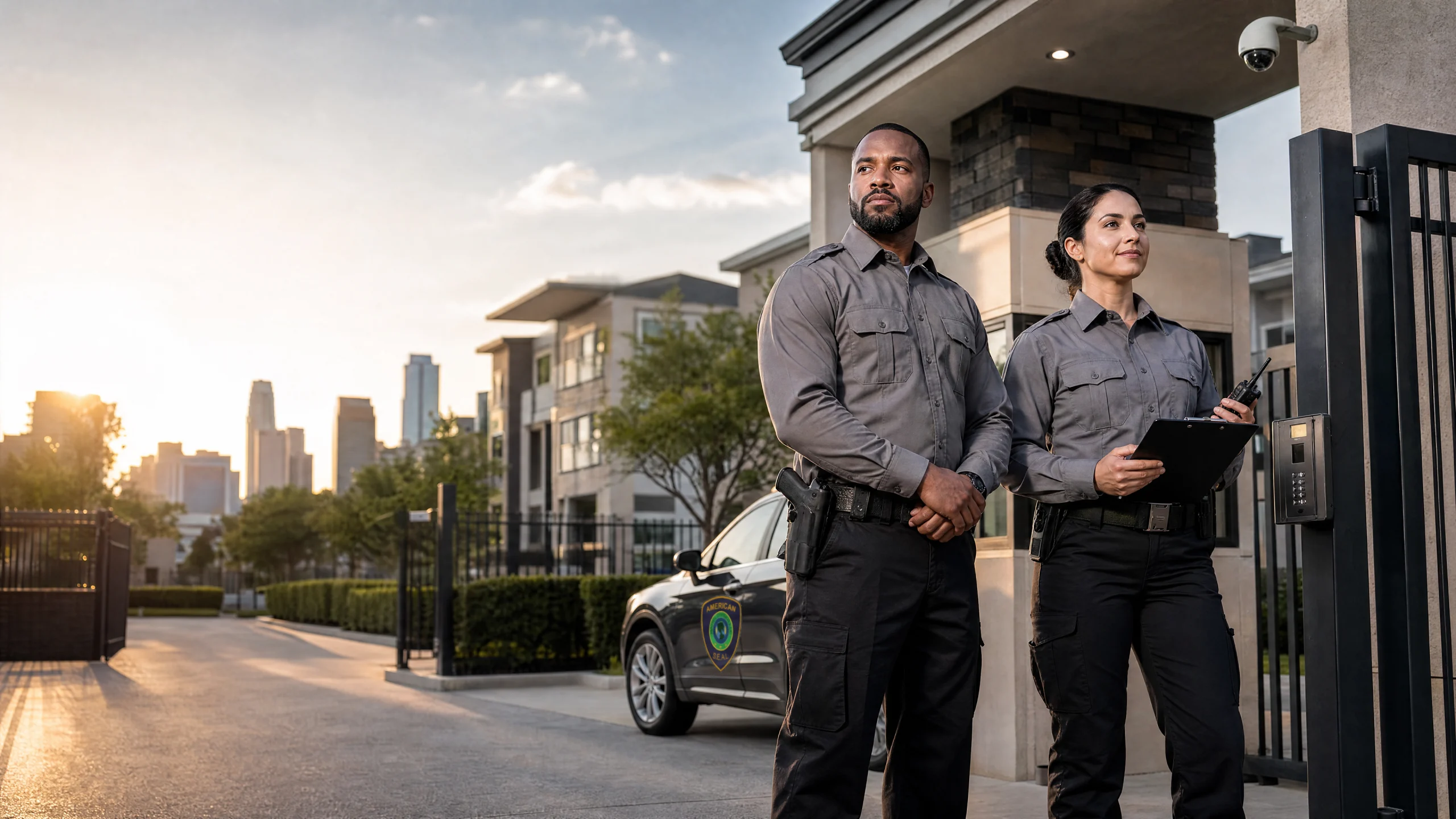
Two Houston security officers—one armed, one unarmed—patrolling an apartment community entrance, showing how to choose between armed vs unarmed security guards Houston
Deciding between armed and unarmed guards for Houston properties—match risk level and resident experience with the right coverage.

Licensed, Bonded, Insured; Texas DPS License #C28662701

We operate as a licensed, bonded, and insured security agency. Texas DPS Private Security Bureau License #C28662701. Compliance and training standards are foundational to our guard operations, whether you need armed or unarmed coverage.

Experience Snapshot: 15+ years on patrol; 45+ communities protected

With over 15 years on patrol and 45+ Houston‑area communities protected, our team understands local neighborhood patterns, access challenges, and multifamily operations—from mixed‑use lobbies to large garage systems across Houston and Harris County.

First‑Hand Perspective: A realistic, on‑the‑ground vignette from patrol

On a recent weekend shift at a West Houston community, our officer noted repeat vehicle “door‑checkers” near a dim corner of the garage. We adjusted patrol timing by 30 minutes, added a slow roll‑through at the exact entry point, and coordinated with dispatch to watch the adjacent camera. The behavior stopped within a week. Nothing flashy—just a practical tweak, documented in the log, that matched coverage to a real pattern.

If you want to discuss a site walk or build post orders around your property’s data, you can contact our team.

Myth vs. Fact: Clearing Up Common Assumptions

  • Myth: Armed guards are always the safest choice.
    Fact: The safest choice is the one that matches your verified risk and policies. Many properties get better outcomes with unarmed days, armed nights, and strong documentation.
  • Myth: Courtesy officers can handle anything a security guard does.
    Fact: Courtesy officers support community standards and visibility but are not a replacement for licensed security or law enforcement.
  • Myth: Cameras alone replace patrols.
    Fact: CCTV is most effective when paired with live response, gate control, and directed patrols. Integration—not isolation—drives results.

Armed vs Unarmed Security Guards Houston: Making the Call

Use this concise checklist to choose a staffing posture that fits your property:

  • Known risks and incident history: Do records show repeat after‑hours issues, theft, or trespass?
  • Property type and layout: Are there open lots, multi‑level garages, or multiple gates?
  • Resident and guest experience: Do you need a high‑service daytime presence?
  • Policy and insurance: Any requirements or limits regarding firearms on site?
  • Coverage model: Would armed nights/unarmed days or event‑based boosts fit your patterns?
  • Technology: Will CCTV monitoring and gate access control support guards effectively?
  • Reporting quality: Will you receive time‑stamped, GPS‑verified logs with 24/7 dispatch support?
  • Budget alignment: Are you investing most where risk and outcomes are clear?

Next steps:

  1. Schedule a site walkthrough and share your incident history.
  2. Define peak risk windows and service priorities.
  3. Select an initial model (e.g., unarmed days, armed nights) and set clear post orders.
  4. Review logs and incidents monthly; adjust patrol routes, hours, and tech integration.

If you’re ready to compare options and receive a property‑specific plan, request a free quote.

Conclusion: A Balanced, Local Approach to Security

Choosing between armed and unarmed security guards in Houston is simpler when you anchor the decision to risk, resident experience, and policy—then validate it with reliable reporting. Armed vs unarmed security guards Houston isn’t an either/or for most communities; it’s a blended approach built on data and tuned to neighborhood patterns. American S.E.A.L. Patrol Division brings 15+ years of local experience, GPS‑verified patrol logs, 24/7 live dispatch, and Texas‑licensed teams to help you implement a plan that fits your property. Explore our Houston security services, connect with our team, or request a tailored plan for your site.

Frequently Asked Questions

What’s the difference between armed and unarmed security guards in Houston?

Short answer: Armed guards are commissioned to carry firearms; unarmed guards focus on prevention, visibility, and de-escalation.

Expanded answer: In practical terms, armed guards in Houston are licensed, commissioned officers authorized to carry firearms and are best for credible threat environments or after-hours risks. Unarmed guards emphasize presence, rapport, early intervention, and policy reminders—ideal for lobbies, amenities, and daytime operations.

When should my property choose armed security in Houston?

Short answer: Choose armed coverage when there are credible threats, repeat after-hours incidents, or high-value assets.

Expanded answer: Armed security Houston coverage makes sense with documented trespass, break-ins, theft from vehicles or storage, on-site cash handling, or when your location sits near nightlife zones with spillover activity. It’s often used overnight and on weekends, paired with clear post orders and supervision.

When are unarmed guards the better fit?

Short answer: Unarmed guards fit where prevention, customer service, and de-escalation matter most.

Expanded answer: Unarmed security Houston coverage excels in daytime lobbies, package rooms, amenity checks, vendor escorts, and routine patrols that build resident rapport. They support rules reminders and early issue detection without introducing firearms where they’re not necessary.

What do courtesy officers do, and how are they different?

Short answer: Courtesy officers support community standards and visibility but aren’t a replacement for licensed security or law enforcement.

Expanded answer: They’re often unarmed, resident-facing team members who monitor common areas, note maintenance concerns, and remind guests of rules. They’re valuable for culture and service but should not be relied on for high-risk or criminal matters.

Is a blended model—armed nights and unarmed days—effective in Houston?

Short answer: Yes, many communities use a blended model to match coverage to risk windows.

Expanded answer: A common approach is unarmed or courtesy coverage by day for service and visibility, then armed coverage at night to increase deterrence during higher-risk hours. Many properties also add mobile vehicle patrols, foot patrols, and CCTV monitoring for balanced, cost-aware coverage.

How do CCTV monitoring and gate access control support guards?

Short answer: They provide real-time visibility and faster, directed response.

Expanded answer: Live CCTV helps identify activity as it happens, while gate access control manages entries and can lock down problem areas. With 24/7 dispatch, cameras and access systems guide guards to priority zones and coordinate with law enforcement when needed.

Why do time‑stamped, GPS‑verified patrol logs and 24/7 live dispatch matter?

Short answer: They verify coverage and connect staffing to outcomes.

Expanded answer: Accurate, GPS‑verified logs show when and where patrols occurred, revealing peak issue windows and hotspots. A 24/7 live dispatch ensures calls reach a real person who can direct resources and document incidents—making your adjustments data-driven.

How should we evaluate our property’s risk in Houston?

Short answer: Review neighborhood patterns, gates and access points, parking and lighting, amenities, delivery traffic, and incident history.

Expanded answer: Look at external factors like nearby retail/nightlife and gate conditions; internal factors like occupancy, amenity use, and delivery flow; and past incidents. Use high-quality reporting to spot times, locations, and patterns, then align staffing and patrol routes accordingly.

How do insurance and property policies affect armed vs unarmed decisions?

Short answer: They can set requirements or limits—confirm them before changing coverage.

Expanded answer: Check insurance terms, owner directives, and resident communications before introducing firearms or adjusting hours. Keep procedures clear on trespass, visitor access, and vendor verification so expectations match your actual coverage.

How do we get started with American S.E.A.L. Patrol Division?

Short answer: Schedule a site walk, share incident history, and request a tailored plan.

Expanded answer: The typical path is a site walkthrough and incident review, then designing patrols around real risk windows. You can explore offerings at https://americanspd.com/, contact the team at https://www.americanspd.com/contact-us/, or request a tailored plan at https://www.americanspd.com/free-quote/.

Get a Free Security Quote