Moe Shariff · December 25, 2025
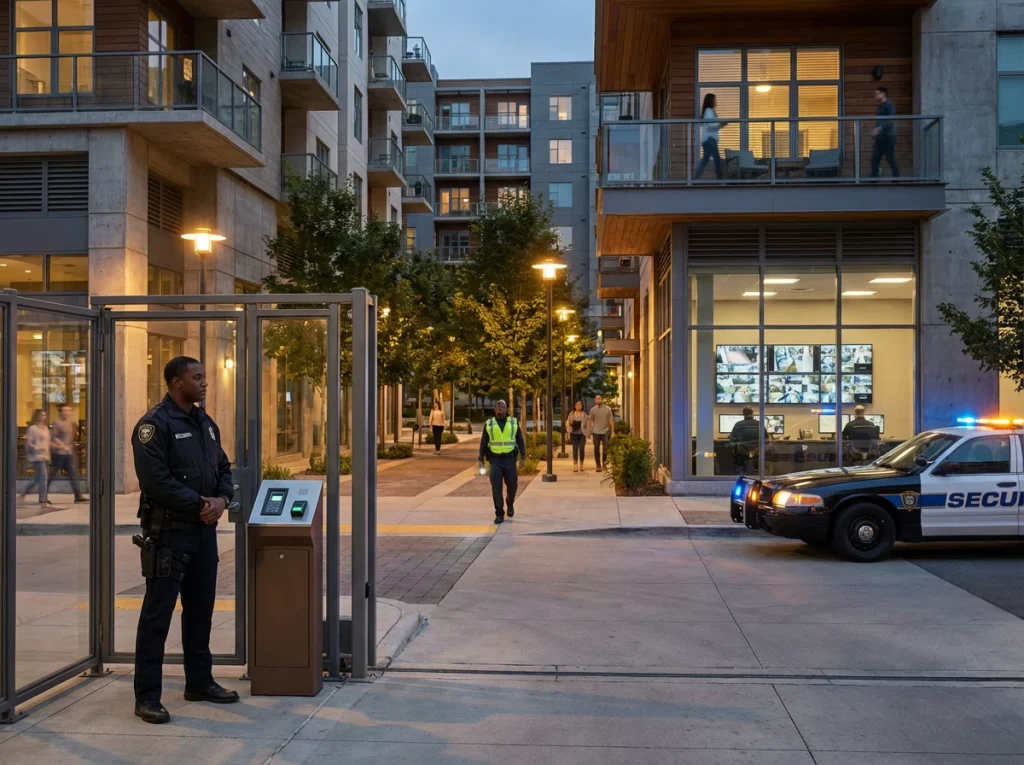
First off, armed versus unarmed officers. This isn’t about hype; it’s about what fits your property’s risk level. Armed officers mean serious presence and quicker reaction to violent threats, but they come with higher costs and a need for tight regulation—think licensing, insurance, and training. Unarmed guards, meanwhile, are great eyes and ears. They deter with visibility and handle day-to-day issues like trespassing or noise complaints without escalating situations unnecessarily. For many multi-family places, a mix works. Armed officers in high-risk zones, unarmed for steady neighborhood watch.
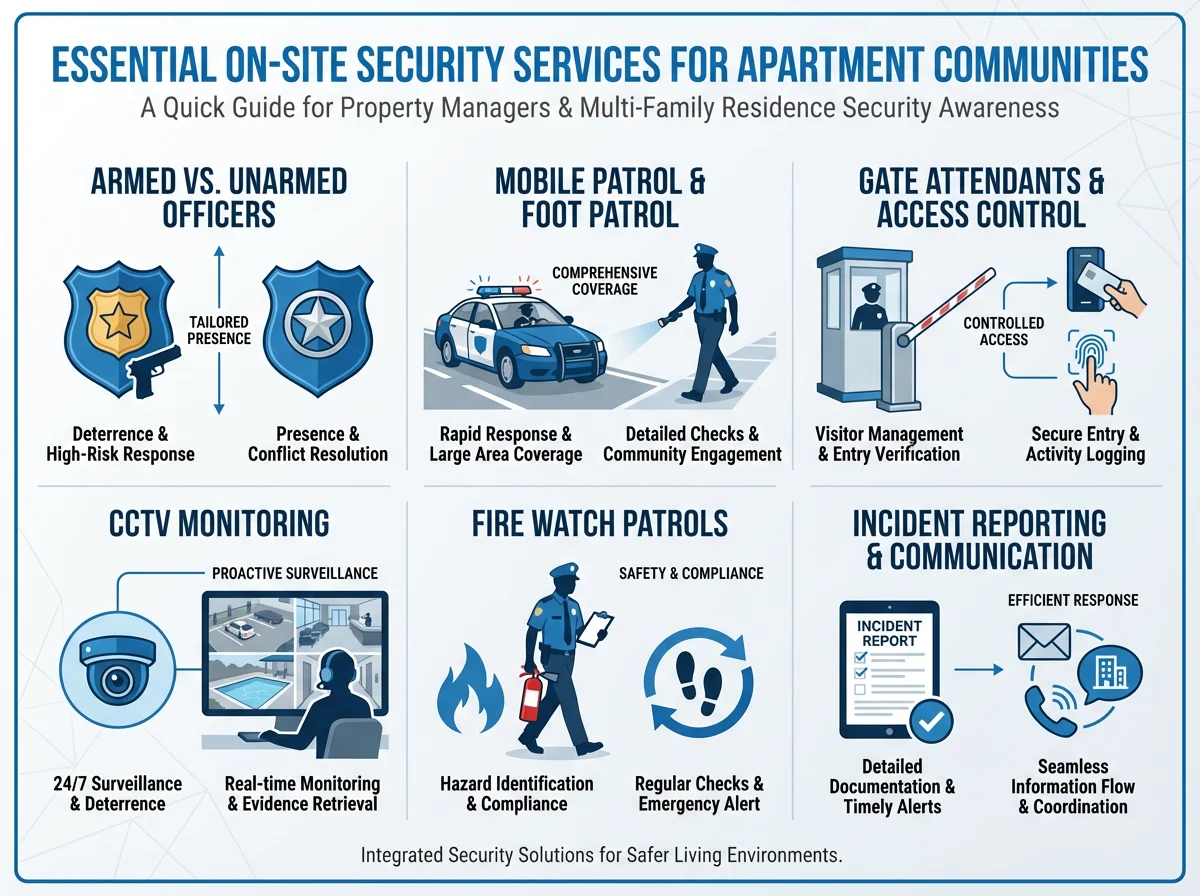
Mobile and foot patrols are your frontline. Mobile patrols cover large areas fast, especially sprawling complexes with parking lots and back alleys. They’re flexible, can respond faster than static posts, and great for after-hours increases in crime risk. Foot patrols bring a human face closer to residents—people feel safer when they see someone walking the grounds, not just cruising by. Foot patrols pick up small details patrol cars can miss, and they’re perfect for community engagement, which itself reduces crime by building trust.
Don’t overlook gate attendants and access control. These folks are the unsung heroes—often the first point of contact. They control entry points, check IDs, ensure only authorized residents and approved visitors get in. A strict access control policy reduces tailgating, unauthorized guests, and helps track who’s coming and going. Pair that with technology—keycards, RFID fobs, biometric scanners—and you tighten security exponentially. Watching that gate isn’t just about stopping crime; it’s about setting a tone that your community is serious about safety.
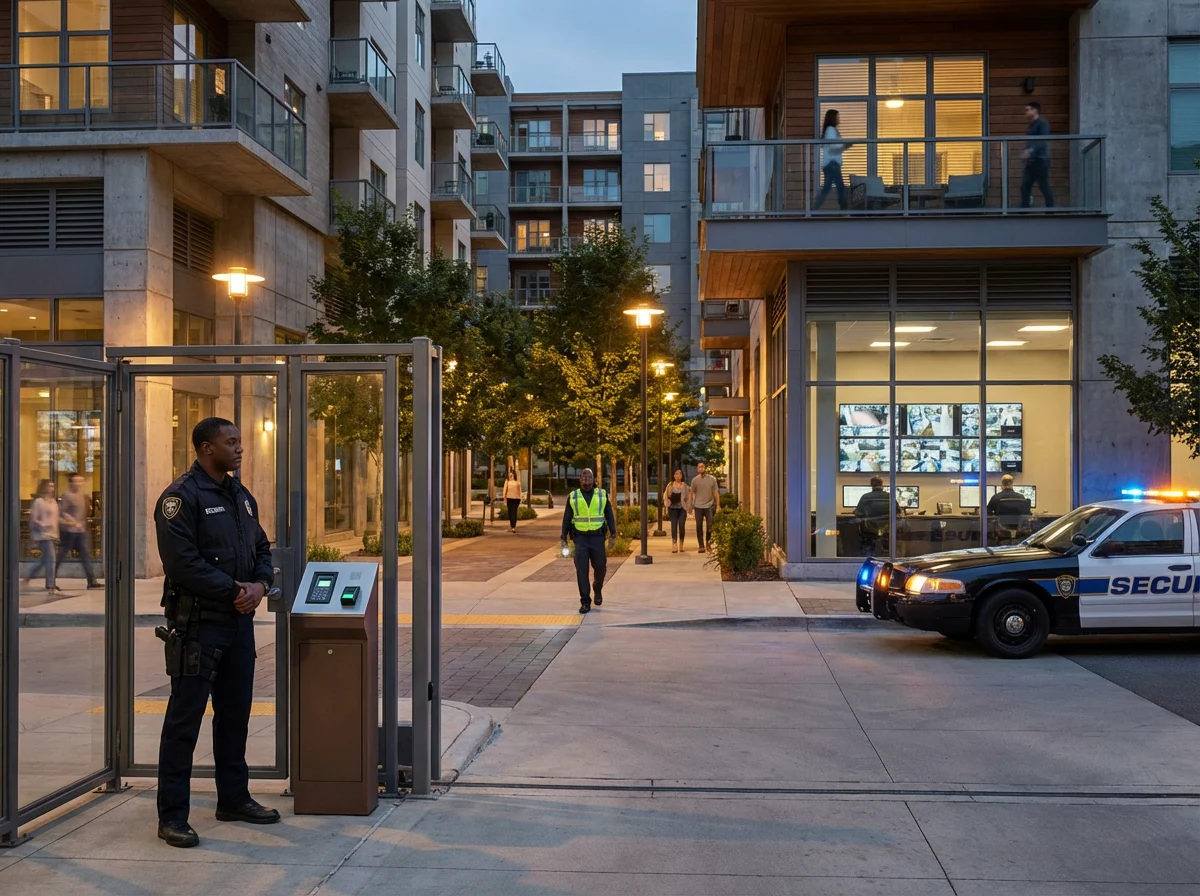
Technology isn’t a set-it-and-forget-it deal. CCTV monitoring remains essential. Cameras don’t stop crime by themselves but they’re crime magnets in the best way possible. Managed CCTV reduces liability, prompts faster incident response, and provides concrete evidence when needed. The shift is toward active monitoring—real security personnel watching camera feeds live, not just storing footage. That means quicker reaction to suspicious behavior like loitering, trespassing, or vandalism before it escalates.
Fire watch services, often ignored until it’s too late, are vital for compliance and safety, especially during renovations or where fire systems are temporarily disabled. Trained fire watch officers patrol and monitor for fire hazards and ensure emergency equipment is ready. It’s a proactive step to avoid disasters, fines, and tenants moving out because they don’t feel safe.
Incident reporting and seamless coordination with property management transforms your security operation from reactive to proactive. Every incident—noise annoyances, vehicle break-ins, unauthorized persons—must be logged accurately and promptly. Detail matters. It’s how you track patterns, improve security protocols, and legally protect yourself if tenants or neighbors sue over lapses. Management and security have to operate as one unit, sharing intel fast and acting fast.
You’ll face common challenges. Trespassing is constant—unwanted visitors, sometimes known troublemakers. On-site officers spot and handle these quickly—verbally warn, escort out, or involve law enforcement if necessary. Vandalism and graffiti require security presence plus quick reporting to maintenance and local cops. Vehicle break-ins? Patrols and CCTV are your frontline; proper lighting and signage help, too. Noise complaints staple—officers need tact here. It’s community relations and enforcement balanced. Unauthorized access is a red flag—it demands tighter gate control, possibly upgrading security tech.
Emergency response can make or break your safety plan. Your security staff must know how to handle fires, medical emergencies, crimes in progress. They’re first responders while waiting for police or fire crews. Training isn’t optional. Clear protocols, regular drills, communication tools (like radios and apps), and coordination with local emergency services are mandatory.
Now, implementing or upgrading this whole package can feel like a headache, but be strategic. Start with a security audit—know your problem spots and patterns. Then choose services tailored to that reality. Don’t buy “security theater.” You want measurable outcomes: decreased incidents, faster response, happier residents. Ask potential providers about licensing, training, their technology stack, and how they handle incident reporting and management communication. Look for customizable packages. Security isn’t one-size-fits-all.
Bottom line: on-site security services for apartment communities reduce crime and elevate resident safety in a way no alarm system or camera alone ever will. The human element—trained, visible, proactive officers—is irreplaceable. Whether it’s patrolling, gate control, or emergency handling, effective security protects your investment and keeps tenants renewin’.
If you manage multi-family property and want to get serious about safety, don’t wait till something bad happens. Head over to American SPD’s free quote page now. They strip out the fluff, deliver real on-site security tailored to your needs. Ask for the solutions that work, not what sounds good on paper. Protecting your community starts with one smart decision today.
By the way, if you’re curious how to build your own AI-powered agents to monitor or even assist on-site security, there’s a killer step-by-step training designed for property pros like you. Check it out when you have a minute—it’s practical, not theoretical, and might be the next game changer for your security game. Keep it tight, keep it safe.