Moe Shariff · November 15, 2025
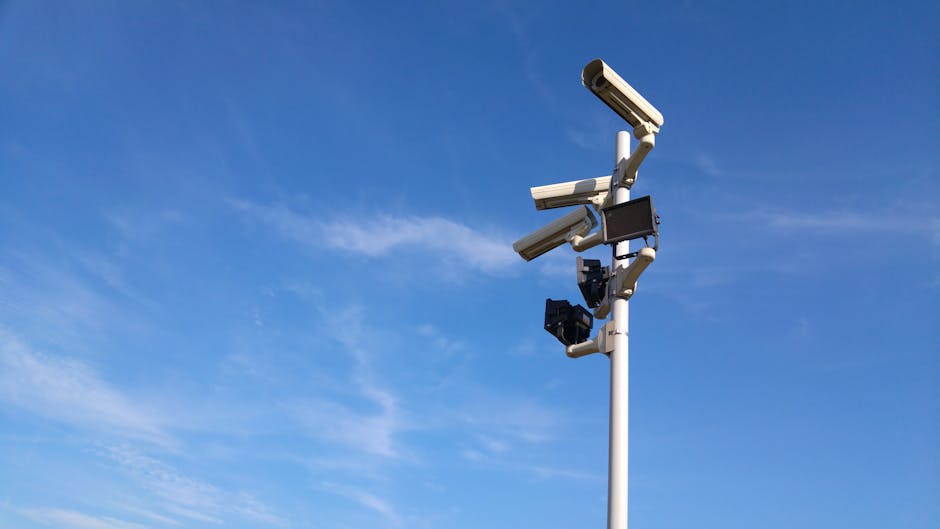
Building access control systems are essential for managing access and improving security in both residential and commercial properties. If you’re seeking a security solution that effectively manages access to your facilities, consider these key components:
In today’s changing security landscape, it’s crucial for property managers like you, Sarah, to opt for robust solutions that not only secure entrances but also provide a cohesive security framework. By integrating various systems, from video monitoring to intrusion alarms, a comprehensive access control system can vastly improve safety and operational efficiency.
Choosing the right access control system is not just about locking doors; it’s about creating a unified, adaptable strategy that evolves with your needs. Whether managing a busy commercial space or overseeing a quiet residential complex, a well-equipped access control system offers peace of mind through improved protection and streamlined access management.

Access control systems are crucial for safeguarding buildings by managing who can enter and exit. These systems come in two main types: physical and logical.
Physical access control focuses on securing tangible spaces like buildings or rooms. For example, you might use a key card to enter your office. On the other hand, logical access control deals with digital resources, such as granting access to sensitive data or software through passwords or multi-factor authentication.
Let’s break down the core components of a building access control system:
Choosing the right type of access control system depends on your needs and preferences. Here are some common types:
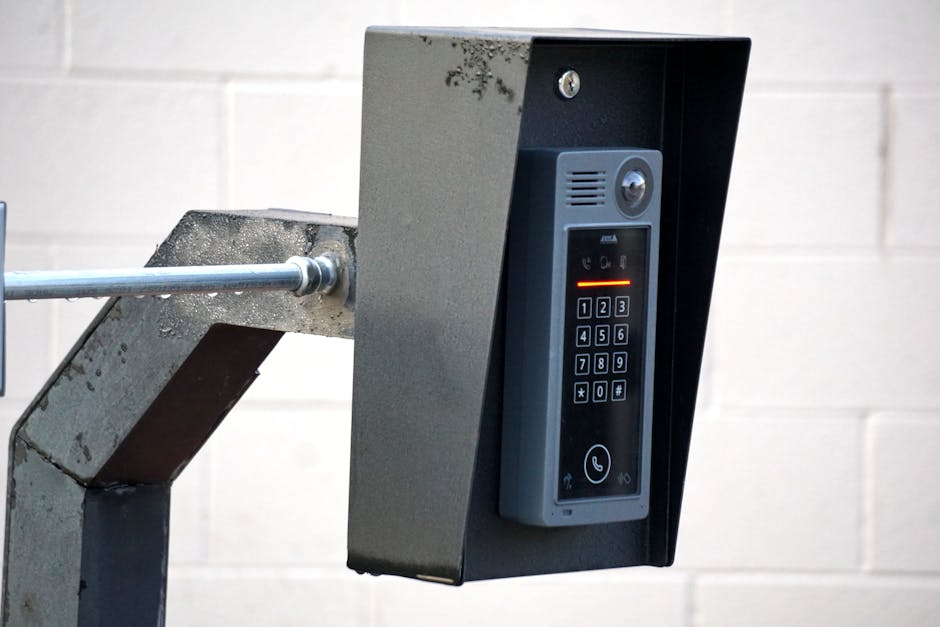
By understanding these components and types, you can tailor an access control system to meet your specific security needs. Whether you’re managing a high-security facility or a residential complex, choosing the right system ensures safety and efficiency.
Building access control systems offer a range of benefits that improve security, streamline management, and ensure compliance with regulations. Let’s explore these advantages:
Investing in modern access control systems, like cloud-based solutions, helps future-proof your property. These systems receive regular updates and new features automatically, keeping your security measures up-to-date without the need for costly upgrades.
Cloud-based systems are also scalable, allowing you to easily adapt to changes, such as adding new entry points or integrating with other smart building technologies.
Centralizing security and management tasks in one system boosts efficiency. For example, integrating access control with property management software can automate processes like granting or revoking access when residents move in or out. This reduces manual work and lowers operational costs.
Such integration simplifies workflows, making it easier for management to oversee building operations and ensure everything runs smoothly.
Access control systems improve security by providing detailed monitoring capabilities. You can review entry logs, receive real-time alerts, and even pair access data with surveillance footage to understand and respond to potential security breaches.
This level of monitoring is crucial for identifying unauthorized access attempts and maintaining a secure environment.
Many industries, like healthcare and government, must comply with strict security regulations. Access control systems are designed to help meet these requirements by providing robust security measures and detailed audit trails. This ensures that your property remains compliant and avoids potential penalties.
For instance, healthcare facilities must adhere to the Health Insurance Portability and Accountability Act (HIPAA), which mandates both physical and digital security measures. Access control systems play a key role in meeting these standards.
By leveraging the benefits of building access control systems, you can improve security, improve management efficiency, and ensure compliance with industry regulations, all while preparing your property for future challenges.
Next, we’ll dig into the differences between cloud-based and legacy access control systems, and how they impact your security strategy.
When considering building access control systems, understanding the difference between cloud-based and legacy systems is crucial for making informed decisions. Let’s break down these two types and see how they impact your security strategy.
Legacy access control systems are the traditional method of managing security. These systems rely on on-site servers to store access credentials and run the necessary software. While they have been effective in the past, they come with several challenges:
In contrast, cloud-based access control systems leverage the power of the Internet of Things (IoT) to improve security and management capabilities. Here’s why they are a preferred choice for many modern facilities:
IoT technology plays a significant role in modernizing access control systems. By connecting devices and systems over the internet, IoT enables real-time data sharing and integration with other security measures, like surveillance cameras and alarms. This connectivity improves the overall security posture of your property.

In summary, while legacy systems have served well in the past, cloud-based access control systems offer a more flexible, scalable, and cost-effective solution for today’s security needs. By embracing these modern technologies, you can ensure your building is equipped to handle current challenges and future growth.
Next, we’ll address some frequently asked questions about building access control systems to help you make the best choice for your property.
A building access control system is a security solution designed to protect people, assets, and sensitive information within a facility. It regulates who can enter or exit specific areas, ensuring that only authorized individuals have access. This improves safety and reduces the risk of unauthorized entry, theft, or damage.
Access control systems can be categorized into several types based on how permissions are managed:
Access control systems come in various forms to suit different needs:
These systems can be custom to meet the specific security needs of a building, providing a comprehensive approach to managing access and ensuring safety.
Up next, we’ll dig into how to choose the right access control system for your building, ensuring it meets your specific requirements and improves your overall security strategy.
Securing your property is more important than ever. At American S.E.A.L. Patrol Division, we are committed to providing top-notch security services across Texas. Our team combines cutting-edge technology with expert personnel to ensure your safety and peace of mind.
Building access control systems are a vital part of any security strategy. These systems help protect people, assets, and sensitive information by controlling who can enter or exit specific areas. With over 15 years of experience, we understand the complexities involved in securing both residential and commercial properties.
Our approach is simple: use advanced technology and highly trained staff to deliver reliable and efficient security solutions. Whether it’s through 24/7 monitoring or rapid response services, our goal is to keep what matters most to you safe and secure.
For more information on how we can help secure your property, visit our Texas Property Security page. Let us help you build a safer environment with our comprehensive security services.