· September 22, 2025

“Protect your business with essential alarm system strategies and stay ahead of security threats. Schedule a free security audit with AmericanSPD today and safeguard your business’s future. Click here for a free quote: https://www.americanspd.com/free-quote“
In today’s fast-paced and ever-changing business landscape, it is crucial for companies to prioritize the safety and security of their assets, employees, and customers. With the rise of cyber attacks, theft, and other security threats, businesses must take proactive measures to protect themselves. One of the most effective ways to ensure the safety of a business is through regular security audits.
A security audit is a comprehensive evaluation of a company’s security measures, policies, and procedures. It involves a thorough examination of the physical and digital aspects of a business to identify potential vulnerabilities and risks. The goal of a security audit is to assess the effectiveness of a company’s security measures and make recommendations for improvement.
One of the main reasons why security audits are essential for modern businesses is the ever-evolving nature of security threats. Hackers and criminals are constantly finding new ways to breach security systems and steal sensitive information. Therefore, it is crucial for businesses to regularly review and update their security measures to stay ahead of potential threats.
Moreover, security audits help businesses identify any weaknesses in their security systems. These weaknesses could be in the form of outdated software, inadequate training for employees, or physical vulnerabilities in the workplace. By identifying these weaknesses, businesses can take corrective actions to strengthen their security measures and prevent potential breaches.
Another significant benefit of regular security audits is that they help businesses comply with industry regulations and standards. Many industries, such as healthcare and finance, have strict regulations regarding the protection of sensitive information. By conducting security audits, businesses can ensure that they are meeting these requirements and avoid any legal consequences.
Furthermore, security audits can also help businesses save money in the long run. A security breach can be costly, both financially and in terms of reputation. By identifying and addressing potential vulnerabilities through security audits, businesses can prevent costly security breaches and maintain their reputation.
When conducting a security audit, it is essential to involve all departments and employees in the process. This ensures that all aspects of the business are evaluated, and everyone is aware of their role in maintaining security. It also allows for a more comprehensive understanding of potential risks and vulnerabilities.
In addition to regular security audits, businesses should also consider implementing other security strategies to protect their assets. One such strategy is the installation of an alarm system. Alarm systems are an effective deterrent against theft and other security threats. They can also alert authorities in case of an emergency, providing an added layer of protection for businesses.
When choosing an alarm system, businesses should consider their specific needs and budget. There are various types of alarm systems available, such as motion sensors, door and window sensors, and surveillance cameras. Businesses should also ensure that their alarm system is regularly maintained and tested to ensure its effectiveness.
In conclusion, regular security audits are crucial for modern businesses to protect themselves from potential security threats. They help identify weaknesses in security measures, comply with industry regulations, and save money in the long run. Along with other security strategies, such as alarm systems, businesses can ensure the safety and security of their assets, employees, and customers. By prioritizing security, businesses can focus on their core operations and thrive in today’s competitive business landscape.
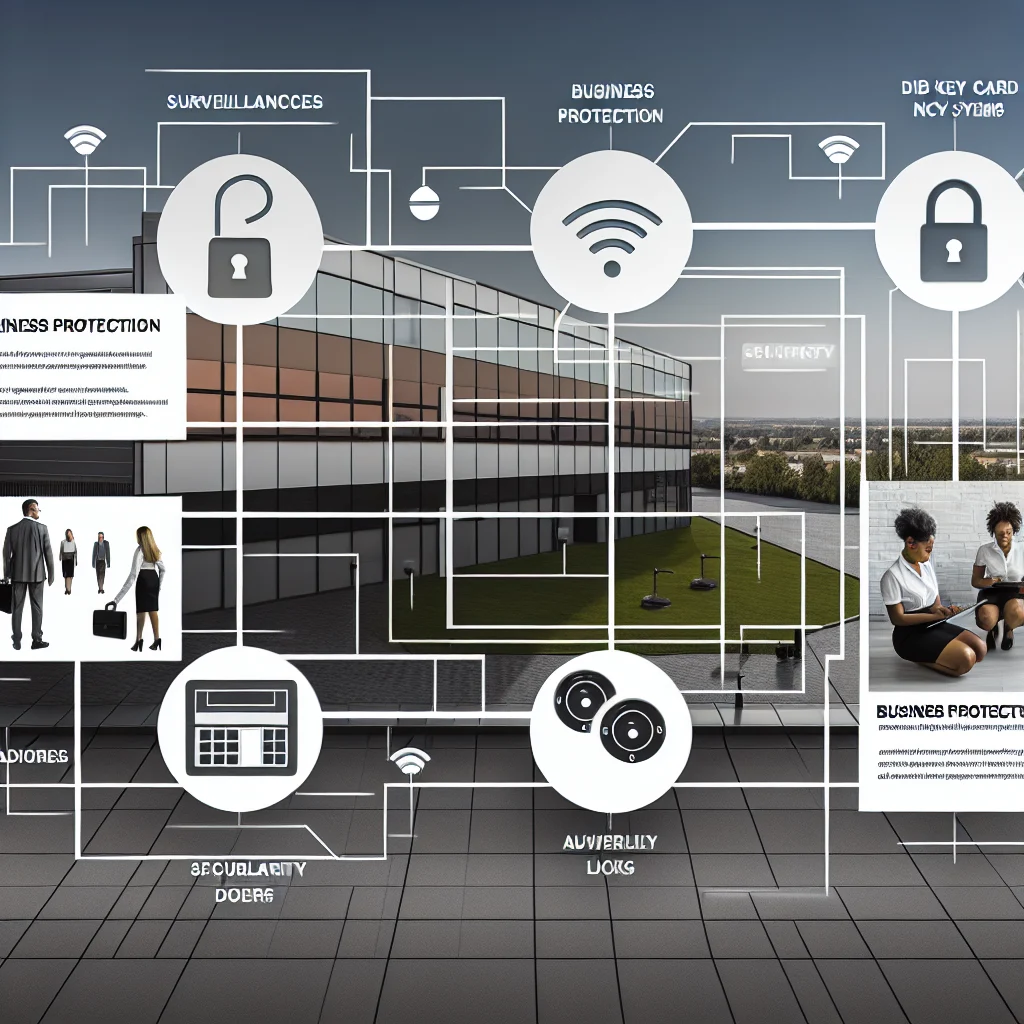
In today’s fast-paced and ever-changing business world, it is essential for companies to prioritize the safety and security of their employees, assets, and data. With the rise of cyber attacks, theft, and other security threats, businesses must take proactive measures to protect themselves. One crucial aspect of this protection is having a reliable and effective alarm system in place.
An alarm system is a network of devices that work together to detect and alert individuals of potential security breaches. These systems can include sensors, cameras, and alarms that are strategically placed throughout a building or property. They are designed to detect unauthorized entry, fire, smoke, and other potential threats.
One of the most significant benefits of having an alarm system is the peace of mind it provides. Business owners and employees can feel secure knowing that their workplace is equipped with the necessary tools to respond to emergencies quickly. Additionally, having an alarm system can also help reduce insurance costs, as many insurance companies offer discounts for businesses with proper security measures in place.
When it comes to choosing an alarm system for your business, there are several factors to consider. The first step is to conduct a thorough security audit of your premises. This audit will help identify potential vulnerabilities and determine the type of alarm system that best suits your business’s needs.
There are various types of alarm systems available, each with its unique features and benefits. The most common types include burglar alarms, fire alarms, and access control systems. Burglar alarms are designed to detect unauthorized entry and can be either wired or wireless. Fire alarms, on the other hand, are essential for detecting smoke and fire and can be integrated with sprinkler systems for added protection. Access control systems use key cards or biometric technology to restrict access to certain areas of a building.
Once you have determined the type of alarm system you need, it is crucial to choose a reputable and experienced security company to install and monitor the system. The company should have a proven track record of providing reliable and efficient services. They should also offer 24/7 monitoring and support to ensure that any potential threats are detected and addressed promptly.
In addition to choosing the right alarm system and security company, there are other strategies businesses can implement to maximize their corporate safety. Regular maintenance and testing of the alarm system are crucial to ensure it is functioning correctly. It is also essential to train employees on how to use the system and what to do in case of an emergency.
Another crucial aspect of corporate safety is having a comprehensive emergency response plan in place. This plan should outline the steps to be taken in case of a security breach, fire, or other emergency. It should also include contact information for emergency services and designated individuals within the company who are responsible for implementing the plan.
In conclusion, having an effective alarm system is essential for businesses to protect their employees, assets, and data. Conducting a security audit, choosing the right type of alarm system, and working with a reputable security company are crucial steps in maximizing corporate safety. Regular maintenance, employee training, and having a comprehensive emergency response plan are also essential strategies for businesses to ensure the safety and security of their operations. By implementing these strategies, businesses can minimize the risk of security threats and focus on their core operations with peace of mind.
In today’s fast-paced and ever-changing business landscape, it is crucial for companies to prioritize the safety and security of their assets, employees, and customers. With the rise of technology and the increasing threat of cyber attacks, businesses must be proactive in implementing effective alarm systems strategies to protect their operations.
One of the most essential strategies for business protection is the use of enterprise surveillance systems. These systems utilize advanced technology such as CCTV cameras, motion sensors, and access control systems to monitor and record activities within a business premises. By having a comprehensive surveillance system in place, businesses can deter potential threats and quickly respond to any security breaches.
When it comes to enterprise surveillance, it is crucial to have a well-designed and integrated system that covers all areas of the business. This includes not only the physical premises but also digital assets such as servers and databases. By having a holistic approach to surveillance, businesses can ensure that all aspects of their operations are protected.
Another crucial aspect of business protection is access management. This refers to the control and monitoring of who has access to certain areas or information within a business. With the increasing threat of cyber attacks, it is essential for businesses to have strict access control measures in place to prevent unauthorized access to sensitive data.
One effective way to enhance access management is through the use of biometric technology. This includes fingerprint or facial recognition systems, which provide a higher level of security compared to traditional methods such as passwords or keycards. By implementing biometric access control, businesses can ensure that only authorized individuals have access to restricted areas or information.
In addition to surveillance and access management, regular security audits are also crucial for businesses to stay on top of their protection strategies. These audits involve a thorough assessment of a company’s security measures, identifying any vulnerabilities and implementing necessary improvements. By conducting regular security audits, businesses can stay ahead of potential threats and ensure that their protection strategies are up to date.
It is also essential for businesses to have a crisis management plan in place. This involves having a clear and detailed protocol for responding to security breaches or emergencies. By having a well-defined crisis management plan, businesses can minimize the impact of any security incidents and ensure the safety of their employees and customers.
In today’s digital age, it is also crucial for businesses to have a strong cybersecurity strategy in place. This includes implementing firewalls, encryption, and other measures to protect digital assets from cyber attacks. With the increasing frequency and sophistication of cyber threats, businesses must invest in robust cybersecurity measures to safeguard their operations.
Moreover, it is essential for businesses to regularly train their employees on security protocols and best practices. This includes educating them on how to identify and report potential security threats, as well as how to handle sensitive information. By involving employees in the protection strategies, businesses can create a culture of security awareness and ensure that everyone is working towards the same goal.
In conclusion, in today’s modern business landscape, it is crucial for companies to prioritize the safety and security of their operations. By implementing effective alarm systems strategies such as enterprise surveillance, access management, regular security audits, crisis management plans, and cybersecurity measures, businesses can enhance their protection and safeguard their assets, employees, and customers. It is also essential to involve employees in these strategies and regularly update and improve them to stay ahead of potential threats. With a comprehensive and proactive approach to business protection, companies can thrive in a secure and safe environment.