· July 29, 2025
“Ensure the safety and compliance of your organization by prioritizing emergency response for hazard management. Don’t wait until it’s too late, take action now and get a free quote from AmericanSPD to prepare for any potential emergencies. Click here to get started: https://www.americanspd.com/free-quote“
In today’s world, hazards and disasters are becoming more frequent and severe. From natural disasters like hurricanes and earthquakes to man-made incidents such as chemical spills and terrorist attacks, the potential for emergencies is ever-present. As a result, it is crucial for organizations to have a well-developed emergency response plan in place to effectively manage hazards and ensure safety compliance.
Emergency response plans are comprehensive strategies that outline the necessary steps to be taken in the event of an emergency. They include procedures for identifying potential hazards, assessing risks, and implementing appropriate measures to mitigate or respond to them. These plans are essential for any organization, regardless of its size or industry, as they provide a structured and coordinated approach to managing emergencies.
One of the primary reasons why emergency response plans are critical for hazard management and safety compliance is that they help organizations prepare for potential emergencies. By identifying potential hazards and assessing risks, organizations can develop strategies to prevent or minimize the impact of emergencies. This proactive approach not only protects the safety of employees and the public but also helps organizations avoid costly damages and disruptions to their operations.
Moreover, emergency response plans are essential for ensuring compliance with safety regulations and standards. Many industries, such as healthcare, transportation, and manufacturing, are subject to strict safety regulations that require organizations to have emergency response plans in place. Failure to comply with these regulations can result in severe consequences, including fines, legal action, and damage to the organization’s reputation. By having a well-developed emergency response plan, organizations can demonstrate their commitment to safety compliance and avoid potential penalties.
Another crucial aspect of emergency response plans is their role in facilitating a timely and effective response to emergencies. In the event of an emergency, every second counts, and having a well-prepared and trained team can make all the difference. Emergency response plans outline the roles and responsibilities of each team member, ensuring that everyone knows what to do and who to report to in case of an emergency. This level of organization and coordination can significantly reduce response time and increase the chances of a successful outcome.
Furthermore, emergency response plans are essential for promoting a culture of safety within organizations. By involving employees in the development and implementation of emergency response plans, organizations can raise awareness about potential hazards and the importance of safety compliance. This, in turn, can lead to a more safety-conscious workforce, reducing the likelihood of accidents and emergencies.
It is also worth noting that emergency response plans are not a one-time effort. They require regular review and updates to ensure their effectiveness. As hazards and risks can change over time, organizations must regularly assess and update their emergency response plans to reflect these changes. This ongoing effort demonstrates an organization’s commitment to safety and its willingness to adapt to new challenges and potential emergencies.
In conclusion, emergency response plans are critical for hazard management and safety compliance. They help organizations prepare for potential emergencies, ensure compliance with safety regulations, facilitate a timely and effective response, promote a culture of safety, and require regular review and updates. By having a well-developed emergency response plan in place, organizations can protect the safety of their employees and the public, minimize the impact of emergencies, and maintain their operations in the face of adversity.
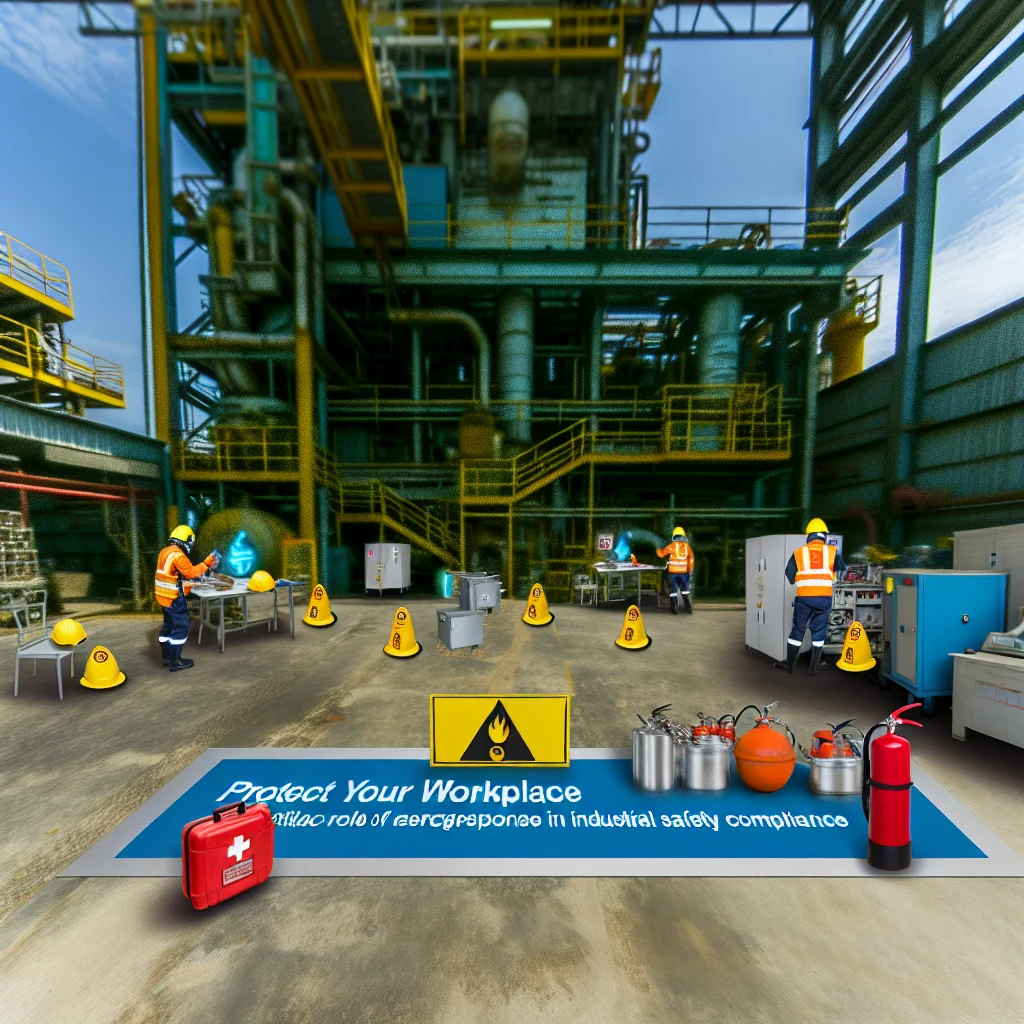
Emergency response is a critical aspect of hazard management and safety compliance in industrial settings. The Occupational Safety and Health Administration (OSHA) has established standards for emergency response to ensure the safety and well-being of workers in the event of an emergency. These standards outline the necessary procedures and protocols that must be followed to effectively respond to emergencies and mitigate potential hazards.
One of the main reasons why emergency response is crucial for hazard management and safety compliance is the unpredictable nature of emergencies. In industrial settings, there are various hazards that workers may encounter, such as chemical spills, fires, explosions, and natural disasters. These emergencies can occur at any time, without warning, and can have severe consequences if not handled properly. Therefore, having a well-defined emergency response plan is essential to minimize the risks and protect the workers’ safety.
OSHA’s standards for emergency response require employers to develop and implement an emergency action plan (EAP). This plan should include procedures for reporting emergencies, evacuating the workplace, and accounting for all employees after an evacuation. It should also identify the types of emergencies that may occur in the workplace and the appropriate response to each one. By having a comprehensive EAP in place, employers can ensure that their workers are prepared to respond to emergencies effectively.
Another reason why emergency response is critical for hazard management and safety compliance is to comply with OSHA’s general duty clause. This clause requires employers to provide a workplace that is free from recognized hazards that are likely to cause death or serious physical harm to their employees. In the event of an emergency, employers must have a plan in place to protect their workers and prevent any potential hazards from causing harm. Failure to comply with this clause can result in penalties and fines from OSHA.
Moreover, emergency response is crucial for hazard management and safety compliance to protect the workers’ health and well-being. In the event of an emergency, workers may be exposed to hazardous substances or conditions that can have long-term health effects. For example, a chemical spill can release toxic fumes that can cause respiratory problems or even death. By having an emergency response plan in place, workers can be evacuated safely and quickly, minimizing their exposure to these hazards.
In addition to protecting workers’ health, emergency response is also essential for protecting the environment. Many industrial facilities handle hazardous materials that can have a significant impact on the environment if not properly managed during an emergency. For instance, a chemical spill can contaminate water sources or soil, causing harm to wildlife and ecosystems. By having an emergency response plan that includes procedures for containing and cleaning up hazardous materials, employers can prevent or minimize the environmental impact of emergencies.
Furthermore, emergency response is critical for hazard management and safety compliance to ensure business continuity. In the event of an emergency, having a well-defined plan in place can help minimize the disruption to business operations. By quickly responding to emergencies and implementing appropriate measures, employers can reduce the downtime and financial losses associated with emergencies.
In conclusion, emergency response is a critical aspect of hazard management and safety compliance in industrial settings. OSHA’s standards for emergency response require employers to have a comprehensive emergency action plan in place to protect their workers’ safety and comply with the general duty clause. By having an effective emergency response plan, employers can protect their workers’ health, the environment, and ensure business continuity. It is essential for employers to regularly review and update their emergency response plans to ensure they are prepared to handle any potential emergencies that may arise.
Emergency response is a crucial aspect of hazard management and safety compliance in any workplace. It involves the immediate and effective response to any unexpected event or situation that poses a threat to the safety and well-being of employees. This can range from natural disasters such as earthquakes and floods to man-made incidents like fires and chemical spills. In order to effectively respond to these emergencies, the use of protective equipment is essential.
Protective equipment, also known as personal protective equipment (PPE), refers to any equipment or clothing worn by employees to protect them from potential hazards in the workplace. This can include items such as helmets, gloves, goggles, and respirators. The use of PPE is not only important for everyday tasks, but it becomes even more critical during emergency situations.
One of the main reasons why protective equipment is crucial in emergency response is because it provides a physical barrier between employees and potential hazards. For example, in the event of a fire, firefighters wear specialized protective gear to shield them from the intense heat and flames. This allows them to enter the affected area and carry out their duties without being harmed. Similarly, in the case of a chemical spill, employees must wear protective clothing and respirators to prevent exposure to harmful substances.
In addition to providing physical protection, PPE also plays a vital role in preventing injuries and illnesses. In emergency situations, there is often a higher risk of accidents and exposure to hazardous materials. By wearing the appropriate protective equipment, employees can reduce their chances of sustaining injuries or developing illnesses. This not only protects the individual but also ensures that they are able to continue performing their duties in the aftermath of an emergency.
Furthermore, the use of protective equipment is essential for compliance with safety regulations and standards. Employers have a legal responsibility to provide a safe working environment for their employees, and this includes ensuring that they have access to the necessary protective equipment. Failure to comply with these regulations can result in penalties and fines, as well as potential legal action in the event of an emergency.
Another important aspect of emergency response is the proper training and education on the use of protective equipment. It is not enough to simply provide employees with PPE; they must also be trained on how to use it correctly. This includes knowing when and where to use specific equipment, how to properly wear and adjust it, and how to maintain and store it. Without proper training, employees may not be able to effectively protect themselves during an emergency, which can have serious consequences.
Moreover, the use of protective equipment in emergency response can also have a positive impact on employee morale and confidence. Knowing that they have the necessary equipment to protect themselves in an emergency can give employees a sense of security and peace of mind. This can also improve their overall performance and productivity, as they are not constantly worried about their safety.
In conclusion, emergency response is a critical aspect of hazard management and safety compliance in the workplace. The use of protective equipment plays a crucial role in this process by providing physical protection, preventing injuries and illnesses, ensuring compliance with regulations, and boosting employee morale. Employers must prioritize the proper training and provision of PPE to ensure the safety and well-being of their employees during emergency situations. By doing so, they can effectively manage hazards and maintain compliance with safety standards.