· July 25, 2025
“Protect your workplace and ensure compliance with proper protective equipment by prioritizing emergency response protocols. Don’t wait until it’s too late, take action now and get a free quote from AmericanSPD to safeguard your employees and business. Click here to get started: https://www.americanspd.com/free-quote“
In today’s fast-paced and ever-changing work environment, it is crucial for companies to have a comprehensive emergency response plan in place. This plan not only ensures the safety and well-being of employees, but it also plays a critical role in compliance with workplace protection and protective equipment regulations.
Emergency response plans are designed to provide a structured and organized approach to handling emergency situations in the workplace. These situations can range from natural disasters such as earthquakes and hurricanes to man-made incidents like fires and chemical spills. Regardless of the type of emergency, having a well-developed plan in place can make all the difference in protecting employees and minimizing potential damage.
One of the main reasons why emergency response plans are critical for workplace protection is that they help to prevent injuries and fatalities. In the event of an emergency, employees may panic and act impulsively, putting themselves and others at risk. However, with a well-thought-out plan in place, employees are trained and prepared to respond appropriately, reducing the likelihood of injuries or fatalities.
Moreover, emergency response plans also play a crucial role in compliance with workplace protection regulations. These regulations, set by government agencies such as the Occupational Safety and Health Administration (OSHA), require employers to have a plan in place to protect their employees in case of an emergency. Failure to comply with these regulations can result in hefty fines and penalties, as well as damage to a company’s reputation.
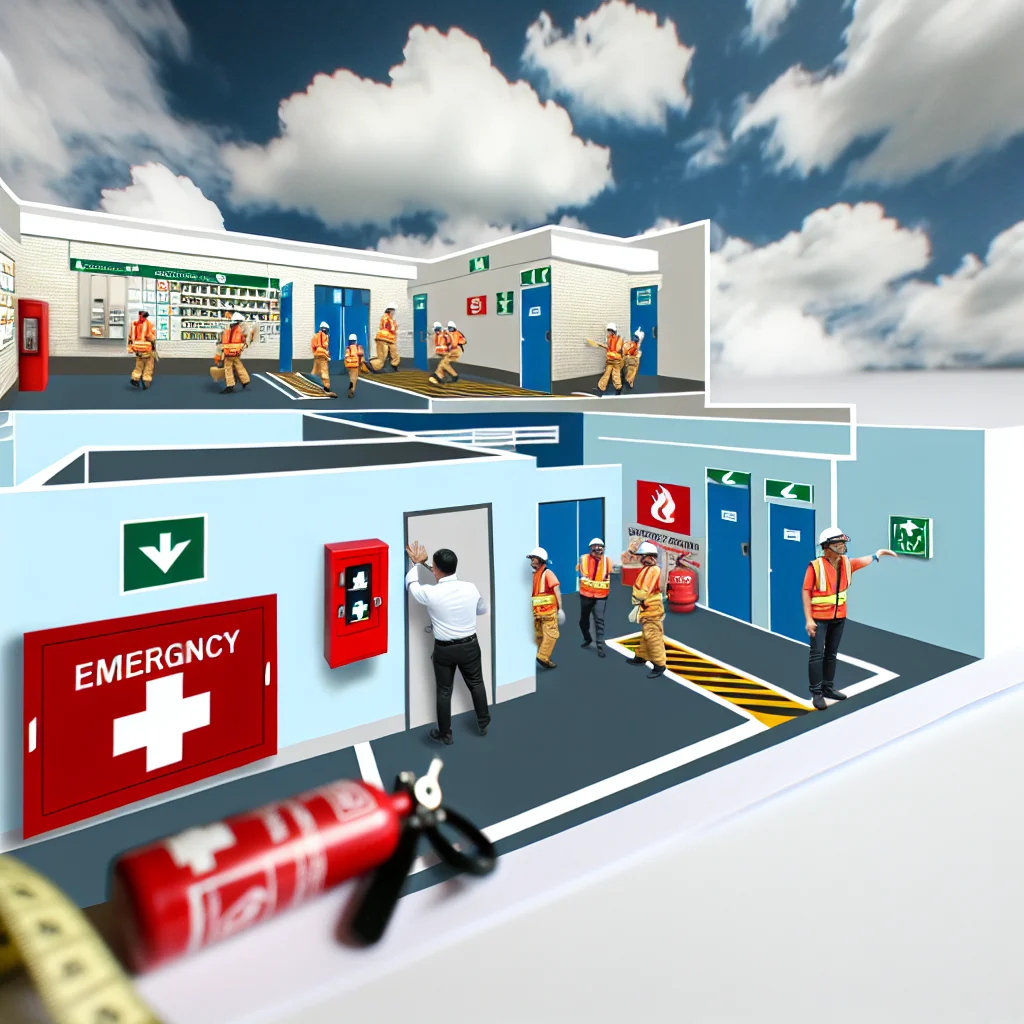
Another important aspect of emergency response plans is the inclusion of protective equipment. This equipment, such as fire extinguishers, first aid kits, and personal protective gear, is essential in ensuring the safety of employees during an emergency. However, it is not enough to simply have this equipment on hand; employees must also be trained on how to use it effectively. Emergency response plans should include regular training sessions on the proper use of protective equipment to ensure that employees are prepared to handle any emergency situation.
In addition to protecting employees, emergency response plans also help to protect a company’s assets. In the event of a disaster, having a plan in place can help to minimize damage to equipment, buildings, and other valuable resources. This can save a company thousands, if not millions, of dollars in repair and replacement costs.
Furthermore, emergency response plans also play a critical role in business continuity. In the event of an emergency, having a plan in place can help a company to resume operations quickly and efficiently. This is especially important for businesses that provide essential services or products, as any disruption in their operations can have a significant impact on their customers and the community.
It is also worth noting that emergency response plans are not a one-time task. They require regular review and updates to ensure that they are effective and up-to-date. As workplaces and potential emergency situations evolve, so should the emergency response plan. Regular drills and exercises should also be conducted to test the plan’s effectiveness and identify any areas that may need improvement.
In conclusion, emergency response plans are critical for workplace protection and compliance with workplace protection and protective equipment regulations. They not only help to prevent injuries and fatalities but also protect a company’s assets and ensure business continuity. Employers must prioritize the development and implementation of a comprehensive emergency response plan to ensure the safety and well-being of their employees and the success of their business.
In any workplace, safety should always be a top priority. This is especially true in industries where employees are exposed to potential hazards and risks on a daily basis. In order to ensure the safety of workers, it is crucial for companies to comply with the standards set by the Occupational Safety and Health Administration (OSHA). Compliance with these standards not only protects employees, but also helps companies avoid costly fines and legal consequences.
One of the key factors in industrial safety and hazard management is emergency response. In the event of an emergency, whether it be a fire, chemical spill, or natural disaster, having a well-planned and executed emergency response plan can mean the difference between life and death. This is why OSHA has specific standards in place for emergency response in the workplace.
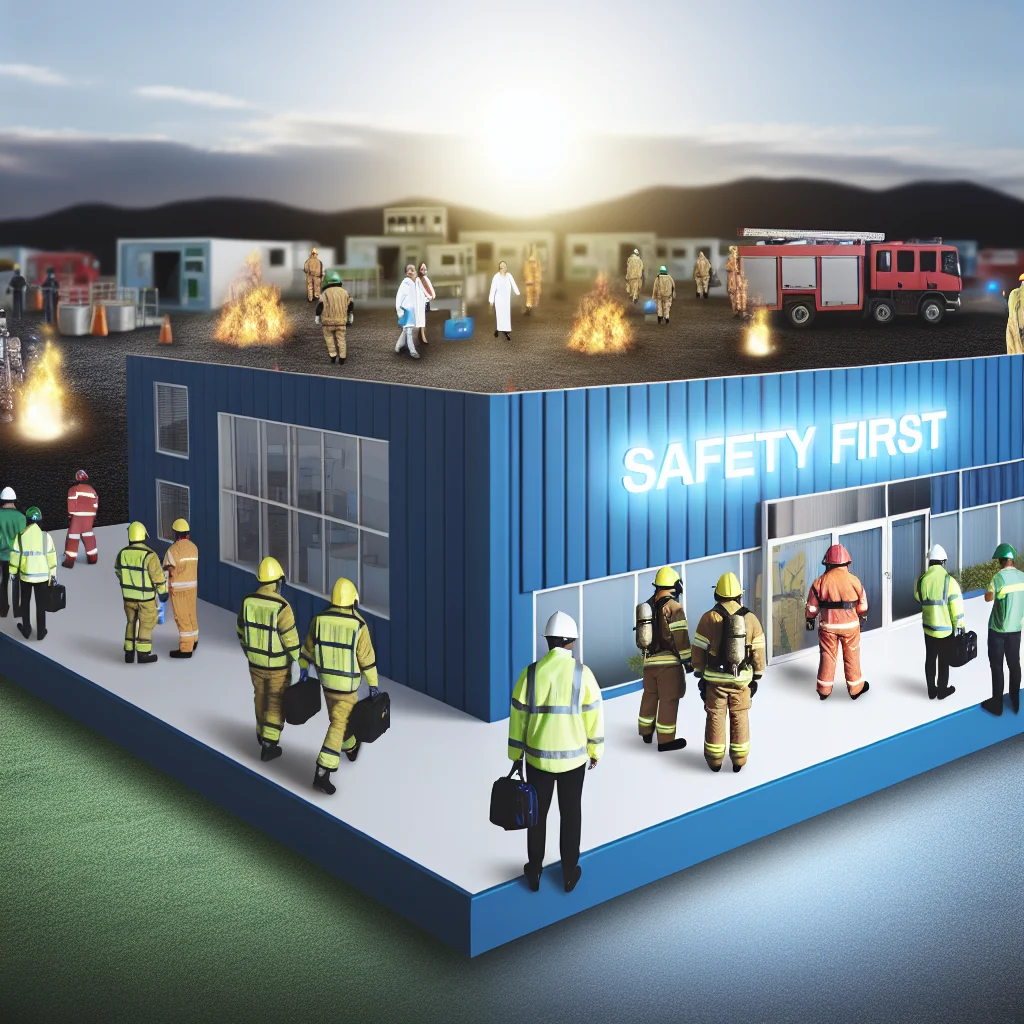
One of the main reasons why emergency response is critical for workplace protection is because it allows for a quick and efficient response to any emergency situation. In the event of a fire, for example, having a designated emergency response team and a well-practiced evacuation plan can help ensure that all employees are safely evacuated in a timely manner. This not only protects the employees, but also minimizes the potential damage to the workplace and surrounding areas.
In addition to protecting employees, having a strong emergency response plan also helps companies comply with OSHA standards. OSHA requires employers to have an emergency action plan in place that includes procedures for reporting emergencies, evacuation routes, and emergency response teams. By having these measures in place, companies can demonstrate their commitment to employee safety and compliance with OSHA standards.
Another important aspect of emergency response in the workplace is the use of personal protective equipment (PPE). PPE is any equipment or clothing that is worn to minimize exposure to hazards and prevent injuries. This can include items such as hard hats, safety glasses, gloves, and respirators. OSHA has specific standards for the use of PPE in different industries, and it is the responsibility of employers to provide their employees with the necessary PPE and ensure that it is used correctly.
Compliance with PPE standards not only protects employees from potential hazards, but also helps companies avoid costly fines and legal consequences. In the event of an OSHA inspection, if it is found that employees are not provided with the necessary PPE or are not using it correctly, the company can face penalties and citations. This not only affects the company’s bottom line, but also its reputation and credibility.
It is important for companies to regularly review and update their emergency response plans and PPE policies to ensure compliance with OSHA standards. This includes conducting regular drills and training sessions to ensure that all employees are familiar with the emergency procedures and know how to properly use PPE. It is also crucial for companies to provide ongoing education and training on potential hazards and how to prevent them.
In conclusion, emergency response is a critical aspect of workplace protection and compliance with OSHA standards. It not only protects employees from potential hazards, but also helps companies avoid costly fines and legal consequences. By having a well-planned and executed emergency response plan and ensuring compliance with PPE standards, companies can create a safe and secure work environment for their employees.
In today’s fast-paced and ever-changing work environment, it is crucial for companies to prioritize emergency response and workplace protection compliance. This not only ensures the safety and well-being of employees, but it also helps companies avoid costly legal consequences. One key aspect of emergency response and workplace protection compliance is the use of protective equipment.
Protective equipment, also known as personal protective equipment (PPE), refers to any equipment or clothing designed to protect workers from potential hazards in the workplace. This can include items such as helmets, gloves, goggles, and respirators. The use of protective equipment is not only important for the safety of employees, but it is also a legal requirement for many industries.
One of the main reasons why protective equipment is critical for emergency response and workplace protection compliance is that it helps prevent injuries and illnesses. In any workplace, there are potential hazards that can cause harm to employees. These hazards can range from physical dangers such as falling objects or chemical exposure to biological hazards like viruses and bacteria. By providing employees with the necessary protective equipment, companies can greatly reduce the risk of these hazards causing harm.
Moreover, the use of protective equipment is also crucial in emergency response situations. In the event of an emergency, such as a fire or a chemical spill, employees may need to evacuate the building or handle hazardous materials. In these situations, protective equipment can be the difference between life and death. For example, a firefighter’s protective gear is specifically designed to withstand extreme heat and protect them from smoke and other harmful substances. Without this equipment, they would not be able to effectively respond to emergencies and protect themselves and others.
In addition to protecting employees, the use of protective equipment is also a legal requirement for many industries. The Occupational Safety and Health Administration (OSHA) has strict regulations in place for the use of protective equipment in the workplace. Companies that fail to comply with these regulations can face hefty fines and legal consequences. By ensuring that employees have access to and properly use protective equipment, companies can avoid these penalties and maintain compliance with OSHA standards.
Furthermore, the use of protective equipment can also have a positive impact on employee morale and productivity. When employees feel that their safety is a top priority for their company, they are more likely to feel valued and motivated. This can lead to increased productivity and a better overall work environment. On the other hand, if employees feel that their safety is not being taken seriously, it can lead to low morale and decreased productivity.
It is also important to note that the responsibility for emergency response and workplace protection compliance does not solely fall on the employer. Employees also have a role to play in ensuring their own safety by properly using and maintaining their protective equipment. This includes attending training sessions on how to use the equipment correctly and reporting any damaged or malfunctioning equipment to their employer.
In conclusion, the use of protective equipment is critical for emergency response and workplace protection compliance. It not only helps prevent injuries and illnesses, but it is also a legal requirement for many industries. Additionally, it can have a positive impact on employee morale and productivity. Employers must prioritize the proper use and maintenance of protective equipment to ensure the safety and well-being of their employees and maintain compliance with regulations. Employees also have a responsibility to use protective equipment correctly and report any issues to their employer. By working together, companies can create a safe and compliant work environment for all.