Texas property security is essential for both tenants and landlords, primarily to ensure safety and peace of mind. In Texas, tenant rights are clearly defined under the Texas Property Code, which outlines the security measures required to protect residents. Key aspects of this code focus on security devices such as window latches, keyed deadbolts, and smoke detectors, which all landlords must provide and maintain.
Recent updates to the Texas Property Code have reinforced these requirements, ensuring that tenants’ homes are equipped with essential security features. This legal framework aims to protect the tenant’s right to a safe living environment and holds landlords accountable for compliance.

When it comes to Texas property security, understanding the basics of self-defense, reasonable force, and property protection is crucial for tenants.
In Texas, self-defense laws allow individuals to protect themselves and their property. However, it’s important to know what “reasonable force” means. This term refers to the amount of force necessary to protect oneself or one’s property without going overboard. For example, if someone tries to break into your home, you can use force to stop them, but it must be proportionate to the threat.
Protecting your property goes beyond just physical actions. It’s about ensuring that your living space is equipped with the right security measures. According to the Texas Property Code, landlords must install specific security devices like keyed deadbolts and window latches. These devices are your first line of defense against intruders.
For instance, a case study from the Austin Tenants Council highlights the importance of these security devices. A tenant was able to prevent a potential break-in because their landlord had installed a robust deadbolt, as required by law. This example underscores why compliance with the Texas Property Code is vital for tenant safety.
The Texas Property Code not only mandates security devices but also outlines tenant rights regarding security. Tenants have the right to request repairs or installations of these devices at any time. If a landlord fails to comply, tenants can take legal action to ensure their rights are protected.
Moreover, tenants should be aware of their right to “quiet enjoyment,” meaning they can live without unnecessary disturbances. This includes ensuring that other tenants or external factors do not compromise their safety or peace of mind.
Understanding these aspects of Texas property security helps tenants know their rights and responsibilities, ensuring a safe and secure living environment.
When renting a property in Texas, understanding your rights and responsibilities is crucial. This includes knowing about security deposits, application fees, and lease agreements.
A security deposit is money you pay upfront to secure your lease agreement. It acts as a safety net for the landlord against potential damages beyond normal wear and tear. According to the Texas Property Code, landlords must return your security deposit within 30 days after you move out, provided there are no damages or unpaid rent.
If you believe your deposit is being withheld unfairly, you have the right to take legal action. You can sue the landlord to recover three times the amount wrongfully withheld, plus other fees. Before doing so, consider sending a refund demand letter or opting for mediation to resolve disputes amicably.
An application fee is a nonrefundable sum that covers the cost of screening you as a potential tenant. It’s separate from the application deposit, which is refundable if your rental application is rejected. Be sure to clarify these terms with your landlord before paying any fees.
Your lease agreement is the most important document in your relationship with your landlord. It outlines the terms and conditions of your tenancy, including rent, duration, and what happens if you breach the lease. Always read it carefully before signing. If you want to make changes, discuss them with your landlord and ensure both parties initial any amendments.
Example: A tenant in Houston successfully negotiated with their landlord to allow pets, which was initially prohibited in the lease. They agreed to pay an additional security deposit, and both parties documented this change in the lease agreement.
By understanding these aspects of your tenancy, you can better steer your rights and responsibilities, ensuring a smooth and secure rental experience.

Next, we’ll dig into the required security devices in Texas rentals to further improve your property security knowledge.
When renting in Texas, know about the required security devices that landlords must provide. These devices ensure the safety and security of tenants and their belongings.
Every exterior door in a rental property must have a keyed deadbolt. This type of lock is crucial for preventing unauthorized entry. It adds an extra layer of security beyond a standard doorknob lock. The door leading from the house to the garage is also considered an exterior door, so it should have a keyed deadbolt too.
All exterior windows must have at least one window latch. This simple device prevents windows from being opened from the outside, offering peace of mind to tenants. It’s a basic yet effective measure to ensure that your home is secure against potential intruders.
For properties with sliding glass doors, landlords must install both a pin lock and either a security bar or a locking handle latch. These mechanisms are designed to prevent the door from being opened or lifted from its tracks, providing a robust defense against break-ins.
In addition to these devices, landlords are required to rekey all locks on exterior doors within seven days of a new tenant moving in. This ensures that previous tenants or unauthorized individuals do not have access to the property.
By ensuring these Texas property security measures are in place, landlords not only comply with the law but also provide a safe living environment for their tenants. If any of these devices are missing or defective, tenants have the right to request their installation or repair at the landlord’s expense.
Understanding these requirements helps tenants feel secure and protected in their homes. Next, we’ll explore how to handle disputes regarding security deposits, ensuring you know what to expect and how to address potential issues effectively.
Understanding how to handle security deposit disputes is crucial for tenants in Texas. Let’s break down the refund process, itemized deductions, and legal action options.
When you move out, your landlord has 30 days to return your security deposit. This timeframe starts once you surrender the property and provide a forwarding address. If you don’t give a forwarding address, the landlord isn’t required to send the deposit. However, you still have the right to pursue it later.
Landlords can deduct from your deposit for damages beyond normal wear and tear. They must provide an itemized list of these deductions. For example, replacing a carpet due to a waterbed leak is a valid deduction, while general wear from walking isn’t. Understanding what qualifies as damage versus wear and tear can prevent unfair charges.
If you believe your deposit is withheld unfairly, you have legal options. Before suing, consider sending a demand letter requesting the refund. Mediation might also help resolve the dispute without going to court.
If these steps fail, you can file a lawsuit in justice court for amounts under $20,000. As per Section 92.109 of the Texas Property Code, you might recover up to three times the wrongfully withheld deposit, plus additional fees. This path is often straightforward and doesn’t always require an attorney.
By knowing your rights and the refund process, you can handle security deposit disputes confidently. Next, we’ll tackle frequently asked questions about Texas property security, addressing common concerns tenants face.
In Texas, landlords have specific rights, but taking a tenant’s personal property is generally not allowed. If you leave belongings behind after moving out, the landlord may have the right to dispose of them, but only under certain conditions. They must follow legal procedures, such as notifying you and giving you a chance to retrieve your items. Always check your lease agreement for specific terms related to abandoned property.
Yes, security guards must be licensed in Texas. The Texas Department of Public Safety oversees the licensing process. This ensures that guards meet certain standards, including training in property protection and the use of reasonable force. Hiring licensed security personnel is crucial for maintaining a safe environment, whether for residential or commercial properties.
Landlords can deduct from your security deposit for damages that exceed normal wear and tear. According to the Texas Property Code, normal wear and tear includes minor issues like fading paint or worn carpet from everyday use. However, costs for repairing damage like holes in walls or broken fixtures can be deducted. Landlords must provide an itemized list of deductions, so you know exactly what was charged. If deductions seem unfair, tenants have the right to challenge them.

By understanding these aspects of Texas property security, tenants can better steer their rights and responsibilities. In the next section, we’ll conclude with a look at how American S.E.A.L. Patrol Division can provide peace of mind and security services.
In Texas property security, having a reliable partner can make all the difference. At American S.E.A.L. Patrol Division, we understand the importance of feeling safe and secure in your home or business. With over 15 years of experience, we specialize in providing top-notch security services custom to meet your unique needs.
Our approach combines cutting-edge technology with expert personnel, ensuring 24/7 monitoring and rapid response. Whether you’re concerned about potential break-ins or just want peace of mind, our team is dedicated to protecting what matters most to you.
Peace of mind isn’t just a phrase for us—it’s our mission. We work tirelessly to ensure that our clients feel secure, and our proactive patrol program has successfully reduced crime rates by over 60% in the largest community in Harris County. Our licensed security guards are trained to handle any situation with professionalism and care.
By choosing American S.E.A.L. Patrol Division, you’re not just getting a security service; you’re joining a community committed to safety and excellence. Let us help you steer the complexities of Texas property security, so you can focus on what truly matters—living your life with confidence and peace of mind.
For more information about our services and how we can assist you, please contact us today. Together, we can create a safer environment for you and your loved ones.
Home security systems Texas are becoming essential in a state where everything truly is bigger, including the safety concerns. Whether you own a home or manage a property, like Sarah Thompson, understanding the available security options is crucial. Here’s a quick overview that will help you get started:
Comprehensive Coverage: Texas offers a wide range of home security systems designed for various needs, whether for residential or commercial properties. From cutting-edge technologies to basic setups, there’s a system that fits everyone’s requirements.
Smart Integration: Many systems now feature smart technology, allowing you to monitor and control security from your smartphone or computer, no matter where you are.
24/7 Monitoring: Professional monitoring ensures that help is dispatched when needed. Companies like American S.E.A.L. provide round-the-clock surveillance, enhancing peace of mind.
Customizable Plans: Leading providers offer customizable packages to cater to specific security needs, ensuring you only pay for what you use.
As we dig deeper into security systems in Texas, you’ll learn about the unique features and benefits that different providers offer. With Texas-sized responsibility comes the need for robust protection, and this guide will help you steer your options confidently.

When it comes to home security systems in Texas, understanding the essentials can make a significant difference. Whether you’re a homeowner or a property manager, knowing about licensing requirements, installation, and monitoring is crucial.
In Texas, installing security systems requires specific licenses. This ensures that the installations are safe and comply with state regulations. Companies offering installation services, like American S.E.A.L. Patrol Division, must have licensed technicians. This guarantees the systems are installed correctly and function as intended.
The installation process varies depending on the complexity of the system. Basic systems might involve setting up sensors and a control panel, while more advanced setups could include smart home integration and surveillance cameras. Professional installation ensures that all components are correctly configured and operational. American S.E.A.L. Patrol Division offers expert installation services, making it easy for homeowners to get started without upfront costs.
Monitoring is a key aspect of any home security system. It involves keeping an eye on your property 24/7 to ensure that authorities are alerted in case of an emergency. American S.E.A.L. Patrol Division provides comprehensive monitoring services, including police, medical, and fire alarm monitoring, offering affordable plans to fit your needs.

Key Takeaways:
With these basics in mind, you’re better equipped to choose the right home security system in Texas. Next, we’ll explore the top features that make these systems stand out.
When choosing a home security system in Texas, certain features stand out for their innovation and practicality. Let’s explore some of these top features that can lift your home’s security.
Imagine controlling your entire home security setup from a single app. With smart home integration, this is not just a possibility but a reality. Systems like those offered by American S.E.A.L. Patrol Division allow you to manage security cameras, thermostats, lights, and even door locks through a smartphone, tablet, or computer. This seamless integration not only improves security but also adds a layer of convenience and energy efficiency to your daily life.
Example: The app from American S.E.A.L. Patrol Division enables users to view cameras and manage home devices from anywhere, ensuring you’re always connected to your home.
Geofencing is a cutting-edge feature that uses your location to automate certain actions at home. For instance, as you approach your driveway, your security system can automatically open up the front door and adjust the thermostat. This feature is perfect for those who want a personalized and automated homecoming experience. It also ensures that your security measures are always active when you’re away.
How it works: Your home security system creates a virtual boundary around your property. When you cross this boundary, predefined actions are triggered, enhancing both security and convenience.
One of the biggest concerns with traditional alarm systems is their vulnerability to being disabled by intruders. Crash and Smash technology addresses this by ensuring that even if a burglar attempts to destroy the control panel, the alarm signal still reaches the monitoring center. This technology, as seen in systems from American S.E.A.L. Patrol Division, makes it nearly impossible for intruders to bypass your security system.
Benefits: With this technology, you can rest assured that help will be on the way, even if the intruder tries to sabotage the alarm system.
These features highlight the advanced capabilities of modern home security systems in Texas. They not only provide robust protection but also integrate seamlessly into your lifestyle, offering convenience and peace of mind. Next, we’ll compare some of the best home security systems available in Texas.
When it comes to home security systems in Texas, American S.E.A.L. Patrol Division stands out as a top contender, offering a blend of advanced features, reliable monitoring, and competitive pricing. Let’s explore why American S.E.A.L. Patrol Division is a leading choice for home security in Texas.
Features: Known for their professional monitoring and expert personnel, American S.E.A.L. offers state-of-the-art technology like high-resolution CCTV cameras and real-time alerts. Their systems are designed to integrate seamlessly with existing security measures, providing comprehensive protection for homes and businesses alike.
Pricing: Contact American S.E.A.L. for a personalized quote, as they offer custom solutions to fit specific security needs, ensuring you get the best service for your investment.
These home security systems in Texas showcase a range of features and pricing options, allowing homeowners to choose a system that best fits their needs and budget. Whether you prioritize smart home integration, cost-effective monitoring, or advanced security technology, there is a solution available to provide peace of mind. Next, we’ll dig into the costs associated with these systems, including average expenses and potential savings.
When considering home security systems in Texas, understanding the costs involved is crucial. Here’s a breakdown of what you can expect in terms of average costs, installation fees, and monitoring rates.
The cost of a home security system can vary widely based on the features and level of protection you choose. Typically, you might spend anywhere from $80 to over $1,000 for the equipment alone. This range accounts for basic systems to more advanced setups with smart home integration and high-tech features like Crash and Smash technology.
Installation fees can also differ depending on whether you opt for professional installation or a DIY approach. Some companies include installation and activation in their monthly monitoring rate, which means no upfront costs for these services. This is a significant saving, especially if you’re looking to avoid large initial expenses.
Monitoring rates are another important factor to consider. They typically range from $15.95 to $50 per month, depending on the provider and the level of service. Some providers offer professional monitoring starting at $15.95 per month, which is quite affordable if you already have a compatible system in place. On the other hand, companies with extensive smart home capabilities and additional services might have higher rates.
Choosing the right home security system can also lead to potential savings. Some insurance companies offer discounts on homeowners insurance premiums for properties equipped with a monitored security system. This can help offset the cost of installation and monitoring over time.
In conclusion, the cost of home security systems in Texas can vary based on your specific needs and preferences. By understanding the different expenses involved, you can make an informed decision that balances security with affordability.
Next, we’ll address some frequently asked questions about home security systems in Texas, covering licensing requirements, estimated costs, and professional monitoring options.
In Texas, installing security systems requires a specific license. The Texas Department of Public Safety regulates this through the Private Security Bureau. Installers must obtain a license, ensuring they are trained and qualified to handle security systems. This licensing process includes background checks and often requires passing an exam to demonstrate competency in security system installation and maintenance.
The cost of home security systems in Texas can vary significantly based on the features and level of protection you select. On average, you might pay between $80 and over $1,000 for the equipment. This range covers everything from basic alarm systems to advanced setups with smart home integration. Installation fees can also add to the cost, but some companies offer packages where installation and activation are included in the monthly monitoring fees, saving you upfront expenses.
Choosing the best home security system for professional monitoring depends on your specific needs. American S.E.A.L. Patrol Division offers comprehensive packages that include UL-certified alarm monitoring and advanced features like Crash and Smash technology. They also provide complimentary installation and activation, making them a popular choice for those seeking reliable and professional monitoring. Their affordable monitoring options ensure that you can find a plan that fits your budget, especially if you already have a compatible system.
These FAQs aim to address common concerns about home security systems in Texas, helping you make informed decisions about your security needs.
In the vast landscape of home security systems Texas, American S.E.A.L. Patrol Division stands out by combining over 15 years of expertise with cutting-edge technology. Our commitment to excellence ensures that each client receives custom security solutions, whether for residential or commercial properties.
Why Choose Us?
Expert Personnel: Our team is composed of highly trained professionals dedicated to providing reliable security services. They are skilled in both technology and interpersonal communication, ensuring effective and respectful interactions.
Cutting-Edge Technology: We leverage the latest advancements in security technology to offer comprehensive protection. This includes 24/7 monitoring, rapid response capabilities, and the integration of smart home features for seamless operation.
Personalized Solutions: Every security system we design is customized to meet the unique needs of our clients. This approach ensures that you receive the most effective protection for your home or business.
American S.E.A.L. Patrol Division is more than just a security service provider; we are a partner in ensuring your safety and peace of mind. Trust us to protect what matters most to you.
For more information on how we can improve your security, visit our services page.
Apartment complex access control is vital for maintaining a secure living environment. Effective access control not only safeguards your tenants but also improves property value and reputation. Here are some quick insights:
What is it?
It’s a system that regulates who can enter and exit the property, maintaining safety and order.
Why is it important?
Ensures tenant safety, prevents unauthorized access, and reduces crime risk.
How does it work?
Uses technology like key fobs, video intercoms, and CCTV to control and monitor access points.
For Sarah Thompson, a property manager invested in keeping tenants safe, understanding how to control access to her apartment complexes is crucial. With 71% of tenants desiring stronger security measures, it’s clear that improved access control is a pressing need. Plus, with 54% willing to pay more for better security, there’s a potential for increased ROI.
Navigating the nuances of these systems may seem daunting, but it’s about creating peace of mind for everyone involved. Let’s dig into how you can achieve this for your properties.

Apartment complex access control is more than just a security measure—it’s about creating a safe and welcoming environment for residents. With nearly 70% of tenants aware of crimes in their complexes, effective access control is crucial. Let’s break down how these systems work and why they’re essential.
Access control systems are like digital gatekeepers. They manage who can enter or leave your property and ensure that only authorized individuals have access. These systems can range from simple key fobs to sophisticated biometric scanners.
Key Components Include:
Entry Systems: These are the first line of defense. They include keypads, swipe cards, or even smartphone apps that residents use to access the building. Systems like ButterflyMX offer comprehensive property-wide access control via a single app.
Surveillance Cameras: Positioned at strategic locations, cameras monitor and record activities. They deter potential criminals and provide evidence in case of incidents. High-quality cameras, like those with wide-angle views, ensure all areas are covered.
Security Personnel: While technology is vital, human presence adds an extra layer of security. Guards can respond to incidents in real time and provide a sense of safety to residents.
Security measures protect not just the physical property but also the community within. They help prevent unauthorized access, which is a major concern for residents. When tenants feel safe, they’re more likely to stay longer and recommend the property to others.
Benefits of Robust Security Measures:
Tenant Satisfaction: With 71% of tenants wanting stronger security, meeting this demand can significantly boost satisfaction.
Legal Protection: Under the concept of reasonable care, property managers could face legal action if security fails. Effective measures help mitigate this risk.
Financial Gains: As noted, 54% of tenants would consider paying higher rent for better security, potentially increasing your ROI.

To develop a successful access control strategy, start with a security assessment. Identify vulnerabilities, analyze crime data, and consult with stakeholders. Integrate suitable technologies and develop clear policies to ensure seamless operation.
By understanding and implementing effective apartment complex access control, you not only improve security but also create a thriving community that residents are proud to call home.
Next, we’ll explore the key components that make up these systems and how they contribute to overall safety.
When it comes to apartment complex access control, understanding the key components is essential. Let’s explore the main elements that keep your property safe and secure.
Entry systems are the first point of contact for anyone entering a building. They control access and ensure only authorized individuals can enter. Modern systems often include:
Surveillance cameras are crucial for monitoring activities around the property. They not only deter crime but also provide invaluable footage in case of an incident.
Key fobs are small, electronic devices that residents can use to access the building. They are a reliable and easy-to-use alternative to traditional keys.
Biometric access systems use unique biological traits to grant entry, offering a high level of security.

By integrating these components, you create a comprehensive access control system that improves security and provides peace of mind to residents. In the next section, we’ll explore the benefits of implementing such systems and how they contribute to a safer living environment.
Implementing apartment complex access control isn’t just about locking doors. It’s about creating a safer, more secure living environment for everyone. Let’s look at how these systems benefit your community.
Access control systems significantly improve security. They ensure that only authorized individuals can enter the property. This reduces the risk of unwanted visitors and potential crime.
Surveillance Cameras: Cameras are a deterrent to criminal activity. They keep a watchful eye on entrances and common areas. This means any suspicious activity can be quickly spotted and addressed.
Entry Systems: Modern systems like ButterflyMX use mobile apps and RFID technology. This makes it harder for unauthorized people to gain access.
Safety is a top priority for all residents. Access control systems play a big role in keeping the community safe.
Peace of Mind: Knowing that the building is secure helps residents feel safe. According to a survey, 71% of apartment tenants want stronger security measures. Providing these features can improve tenant satisfaction.
Emergency Response: In case of an emergency, access control systems can help first responders get in quickly. This can make a big difference in critical situations.
Keeping unauthorized individuals out is crucial for maintaining a secure environment.
Key Fobs and Biometric Access: These technologies ensure that only those with permission can enter. Unlike traditional keys, which can be easily copied, these systems offer a higher level of security.
Policy Development: Establishing clear access policies and regularly updating them is essential. This ensures that the system remains effective and adapts to any new security challenges.
In summary, implementing access control systems in apartment complexes is a smart move. It boosts security, improves resident safety, and prevents unauthorized access. In the next section, we’ll discuss the steps to implement these systems effectively.
Creating a secure environment in an apartment complex starts with implementing effective access control. Here’s how you can do it step-by-step:
Begin with a thorough security assessment of your property. This means evaluating current security measures and identifying vulnerabilities.
Evaluate Existing Systems: Check your current security setup, like surveillance cameras and lighting. Are they up-to-date and functioning well?
Gather Input: Talk to tenants and staff. Ask if they’ve seen any security issues. Their feedback is crucial for identifying weak spots.
Analyze Crime Data: Look at crime reports and security incidents in your area. This will help you understand the specific risks your community faces. For example, if package theft is common, consider adding package lockers.
Technology is key in modern access control systems. It not only improves security but also makes management easier.
Choose the Right Systems: Opt for systems like ButterflyMX, which provide property-wide access control through a single platform. Features such as RFID connectivity and wide-angle cameras can significantly improve security.
Use CPTED Strategies: Improve security by designing your environment to deter crime naturally. For instance, increase lighting in dark areas and trim overgrown bushes to create clear sightlines.
Leverage Data Platforms: Use platforms like Veridiant to track and verify your property’s security efforts. This ensures your strategies are both effective and sustainable.
Policies are the backbone of any security system. They guide how the system is used and maintained.
Create Clear Policies: Define who gets access and how. This includes setting rules for visitors and deliveries.
Regular Updates: Security needs change over time. Keep your policies updated to address new challenges.
Training and Communication: Ensure that staff and residents understand the access control system and policies. Regular training sessions can help everyone stay informed and vigilant.
By following these steps, you can effectively implement apartment complex access control. This not only improves security but also ensures a safer and more comfortable living environment for all residents.
In the next section, we’ll address frequently asked questions about access control systems, including costs and improvements in resident safety.
Selecting the right access control system can feel overwhelming, but focusing on key features can help simplify the decision. Entry systems like video intercoms and key fobs are popular because they combine convenience with security. For example, ButterflyMX is a cloud-based system that offers property-wide access from a single platform. It includes advanced features like RFID connectivity and a wide-angle camera, providing effective security while being user-friendly.
Surveillance cameras are another crucial component. According to a recent survey, 70% of tenants feel safer with monitored surveillance cameras. AI-enabled cameras are especially effective as they analyze footage in real-time, reducing human error and improving response times.
Access control systems play a vital role in resident safety by preventing unauthorized access. By restricting entry to residents and approved visitors only, these systems help deter potential intruders. In fact, 71% of renters believe property managers should do more to improve security, and access control is a significant step in that direction.
Modern systems with surveillance cameras also contribute by providing real-time monitoring and alerts. This means any suspicious activity is quickly detected, allowing for swift action. Moreover, integrating technology like AI can further improve safety by predicting and preventing potential threats before they escalate.
Cost analysis is essential when planning for access control systems. Prices vary depending on the complexity and features of the system you choose. Basic systems with key fobs and simple entry controls might be more affordable, while advanced systems with AI-enabled cameras and comprehensive monitoring capabilities can be more expensive.
Budget planning is crucial. Consider the long-term benefits and potential cost savings from reduced crime and vandalism. Some systems, though initially costly, may offer better ROI by lowering insurance premiums and increasing property value.
It’s also important to factor in installation and maintenance costs. While high-tech solutions may have higher upfront costs, their efficiency and effectiveness can justify the investment in the long run.
In the following section, we’ll explore how American S.E.A.L. Patrol Division can provide peace of mind through customized security solutions.
When it comes to securing your apartment complex, American S.E.A.L. Patrol Division stands out as a leader in providing comprehensive security solutions. With over 15 years of experience in Texas, we combine cutting-edge technology with expert personnel to ensure the safety and peace of mind for our clients. Our services are designed to address the unique security needs of each property, making us a trusted partner in safeguarding what matters most.
Our approach is simple yet effective. By integrating advanced apartment complex access control systems, we help prevent unauthorized access and improve resident safety. Our solutions include state-of-the-art surveillance cameras and entry systems, ensuring that every corner of your property is monitored and secure.
Moreover, our commitment to 24/7 monitoring and rapid response means that help is always just a call away. Our dedicated team is equipped to handle any security situation, providing you with the reassurance that your property is protected around the clock.
Choosing American S.E.A.L. Patrol Division means investing in a safer, more secure environment for your residents. Our custom security solutions not only deter crime but also improve the overall value of your property. By prioritizing security, you offer your tenants the peace of mind they deserve, while potentially increasing your property’s appeal and profitability.
For more information on how we can help secure your apartment complex, visit our security services page to learn more about our offerings and to request a free quote. Let us partner with you in creating a secure and welcoming community.
Security for apartment renters is a crucial consideration for those seeking peace of mind in their living spaces. Renters face unique security challenges compared to homeowners, such as more frequent visitor traffic and less control over their environment. This often makes apartments more vulnerable to theft and break-ins. Here are a few key points to consider:
With the increasing interest in robust security solutions, understanding the vulnerabilities and options available is essential for every renter. Whether you are a property manager like Sarah Thompson or an individual tenant, knowing how to protect your space is key to living confidently in your apartment.

Living in an apartment comes with its own set of security challenges. Renters are often more vulnerable to theft than homeowners. This is because apartment complexes see a lot of foot traffic. New neighbors and visitors are common, making it easier for intruders to blend in.

Understanding the risks in your neighborhood is crucial. Some areas have higher crime rates, which can increase the risk of theft. Research your neighborhood’s safety profile. Talk to local police and neighbors to get a sense of what to expect. This information can help you decide on the level of security you need.
Access points are the most vulnerable parts of any apartment. Over 40% of break-ins happen through the front door. Make sure all doors and windows have working locks. Consider adding deadbolts or chain locks for extra protection.
Tip: Check for additional security features like peepholes and security cameras. These can deter potential intruders and give you peace of mind.
Most burglaries occur during the day and take less than 10 minutes. Knowing this, secure your apartment even when you’re at work or running errands. A strong security setup not only protects your belongings but also provides a sense of safety.
In summary, Security for apartment renters is not just about installing a system. It’s about understanding the risks and taking proactive steps to safeguard your home. Whether you’re dealing with neighborhood risks or securing access points, being informed and prepared can make all the difference.
When it comes to security for apartment renters, American S.E.A.L. Patrol Division offers a range of solutions custom to meet the unique needs of renters. These solutions are designed to be minimally invasive, affordable, and easy to set up, ensuring that renters can improve their security without hassle.
The American S.E.A.L. Basic Security Kit is perfect for those new to apartment security. It offers minimal installation with wireless systems that are both affordable and easy to set up. This kit includes essential components like door and window sensors, providing a solid foundation for any security setup. With a DIY approach, renters can install the system themselves without needing to drill holes or alter the apartment structure.
For tech-savvy renters, the American S.E.A.L. Smart Hub is a game-changer. It offers smart tech compatibility and expandability, allowing integration with other smart home devices. This means you can control your security system from your smartphone or voice assistant. The Smart Hub is ideal for those looking to build a comprehensive smart home security network over time.
Space is often limited in apartments, which is why the American S.E.A.L. Compact Sensor System is a great choice. Its compact design makes it versatile, fitting easily into any apartment layout. Despite its small size, it offers robust security features, including motion detection and environmental monitoring. This system ensures that even the smallest apartments can enjoy comprehensive security coverage.
If you’re looking for an adhesive-based solution, the American S.E.A.L. Adhesive Security Kit is customizable to fit your needs. This kit uses strong adhesive strips for installation, making it easy to set up and remove without leaving a trace. It’s perfect for renters who might move frequently or have strict landlord agreements prohibiting permanent installations.
Video surveillance is a powerful tool for security, and the American S.E.A.L. Video Door Monitor offers just that. It provides real-time video surveillance with motion detection capabilities. This monitor is easy to install and offers peace of mind by allowing you to see who is at your door, even when you’re not home.
These solutions by American S.E.A.L. Patrol Division are designed to offer the best in security for apartment renters, combining ease of use, affordability, and advanced technology. Whether you’re looking for a basic setup or a fully integrated smart system, American S.E.A.L. has options to fit your needs.
Improving the security of your apartment is crucial for peace of mind and safety. Here are some practical ways you can improve your apartment’s security.
Doors and Windows: These are the most common entry points for intruders. Ensure all door and window locks are sturdy and functional. Consider installing deadbolts or chain locks on doors for added security. For sliding glass doors, a security bar or door jammer can prevent forced entry.
Security Bars: Adding security bars to windows, especially those on ground levels, can deter break-ins. They are a physical barrier that can make accessing your apartment more difficult for intruders.
Renters insurance is also a smart investment. It doesn’t prevent theft, but it can cover losses if a break-in occurs. Review your policy to ensure it includes theft coverage.
Smart Home Integration: Smart home technology can significantly improve security. Devices like smart locks, cameras, and alarms can be controlled remotely. This allows you to monitor your apartment in real-time and receive alerts about any suspicious activity.
Automated Lights: Setting up automated lights can create the illusion that someone is home, even when you’re not. This simple trick can deter potential burglars.
Meet Neighbors: Building a rapport with your neighbors can improve security. Neighbors can watch out for each other and alert you about any suspicious activities.
Neighborhood Watch: Participating in a neighborhood watch program can be beneficial. It fosters a sense of community and shared responsibility for safety. You can stay informed about local security risks and collaborate on solutions.
By reinforcing entry points, leveraging technology, and engaging with your community, you can create a safer living environment. These steps are straightforward yet effective in enhancing security for apartment renters.
Absolutely, installing a security system in an apartment is possible, but consider a few factors first. Start by reviewing your lease agreement. Some landlords may have restrictions on alterations to the property, so it’s crucial to understand what is allowed before making any changes. If your lease doesn’t explicitly prohibit security systems, you should still discuss your plans with your landlord. They might even be willing to share the cost if they see it as a value addition to the property.
Additionally, opt for systems that require minimal installation. Peel-and-stick systems are ideal because they don’t damage walls or fixtures, ensuring you get your security deposit back when you move out.
When selecting a security system as a renter, look for options that have a minimal impact on the property and are easy to relocate. Wireless systems are perfect for this, as they don’t require drilling or extensive wiring.
Consider systems like the American S.E.A.L. Compact Sensor System or the American S.E.A.L. Adhesive Security Kit. These are designed with renters in mind, offering versatility and customizability. They can be easily taken down and set up in a new apartment, making them practical for those who move frequently.
If installing a full security system isn’t feasible, renters can still improve security through simple, cost-effective measures.
Door Jammers: These devices are easy to place under doorknobs and provide an extra layer of protection against forced entry. They’re especially useful in apartments with older or less secure doors.
Safe for Valuables: Investing in a small, secure safe can protect important documents and valuables from theft. Look for a safe that’s portable but heavy enough to deter quick theft.
Smart Technology: Even without a full system, individual smart devices like doorbell cameras or smart locks can significantly boost security. They are easy to install and can be controlled via smartphone apps, providing convenience and peace of mind.
By understanding your lease and landlord’s preferences, selecting renter-friendly security systems, and implementing basic security measures, you can significantly improve your apartment’s safety.
At American S.E.A.L. Patrol Division, peace of mind is more than just a promise—it’s our mission. We understand that security for apartment renters is not just about preventing theft or intrusions. It’s about creating a safe environment where you can feel truly at home. With over 15 years of experience, our expert protection services are designed to meet the unique needs of renters, ensuring you can rest easy knowing your space is secure.
Our commitment to expert protection means we use the latest technology combined with highly trained personnel to provide 24/7 monitoring and rapid response. This approach ensures that we are always ready to safeguard your apartment, whether you’re at home or away.
We believe that everyone deserves to feel safe in their own home, and our range of security solutions is custom to achieve just that. From minimal installation options to advanced smart home integrations, we offer systems that are both effective and renter-friendly.
By choosing American S.E.A.L. Patrol Division, you’re not just investing in security—you’re investing in a partner dedicated to your safety and peace of mind. Explore our comprehensive security services to find the perfect solution for your apartment.
Find more about our security solutions and let us help you create a safer living environment today.
Gate Attendant Guards play a crucial role in ensuring the safety of both residential and commercial properties. As the first line of defense, they meticulously check visitors and prevent unauthorized access. Here’s a quick overview of their importance:
In today’s world, robust security is essential. A Gate Attendant Guard provides more than just monitoring of entry points; they offer a comforting presence that helps residents and tenants feel secure. Their role is vital for property managers like Sarah Thompson, who prioritize tenant safety and effective security measures.

A Gate Attendant Guard plays a pivotal role in ensuring the smooth operation and security of any property. Their duties extend beyond merely opening and closing gates. They are the first line of contact and defense, balancing security with customer service.
Gate Attendant Guards are responsible for controlling access to the property. This involves checking identification and ensuring only authorized individuals are allowed entry. They use various tools, from traditional visitor logs to advanced technology like license plate recognition systems, to monitor and record who enters and exits the premises.

Beyond security, these guards are often the first point of contact for visitors. They greet guests warmly, providing assistance and information as needed. This aspect of their role is crucial in setting a positive tone for anyone entering the property. A friendly greeting can make a big difference in the visitor experience, reflecting the professionalism and hospitality of the organization.
In addition to welcoming guests, Gate Attendant Guards maintain a vigilant watch for any suspicious activity. They are trained to spot potential security threats and respond appropriately. This includes coordinating with law enforcement or emergency services if necessary. Their presence alone can deter potential security breaches, creating a safer environment for everyone on the property.

By balancing these responsibilities, Gate Attendant Guards provide a comprehensive security solution that protects properties while enhancing the visitor experience. Their role is indispensable in today’s security-conscious world.
The daily life of a Gate Attendant Guard is full of important tasks that help keep a property secure and running smoothly. These tasks require attention to detail, organization, and a welcoming attitude.
Every day, Gate Attendant Guards check in visitors. This is a key part of their job. They verify identities, ensuring that only authorized people enter the property. They use tools like visitor logs and, in some cases, advanced systems like license plate recognition. This process helps keep track of who is on the property at any time, which is essential for maintaining security.
In locations like parks or recreational areas, Gate Attendant Guards also handle the collection of park fees. This task involves more than just taking money. They must be accurate and efficient, ensuring that all fees are collected properly and recorded. This not only supports the financial health of the property but also ensures fair access to everyone.
Managing inventory is another important responsibility. This might include keeping track of supplies, equipment, and other resources needed for daily operations. By maintaining accurate inventory records, Gate Attendant Guards ensure that everything is in place for smooth functioning. This task requires careful attention to detail and helps in planning and replenishing supplies as needed.
These daily responsibilities show how Gate Attendant Guards contribute to both security and operational efficiency. By managing visitor check-ins, collecting fees, and overseeing inventory, they help create a safe and well-organized environment. This sets the stage for their next crucial role—ensuring the importance of gate security.
Gate security is crucial for maintaining a safe and secure environment. It serves as the first line of defense against unauthorized access, ensuring that only those with permission can enter the property. This not only protects the residents and assets inside but also deters potential security threats.
Preventing unauthorized access is a top priority for any Gate Attendant Guard. By verifying identification and maintaining strict access protocols, they ensure that intruders or unauthorized individuals are kept out. This is often achieved through a combination of manual checks and advanced technologies, such as license plate recognition systems, which automatically identify and log vehicles entering the premises.
A secure environment is vital for the peace of mind of residents and visitors. Gate Attendant Guards play a key role in creating this environment by monitoring entry points and responding quickly to any suspicious activities. Their presence alone can act as a deterrent to potential threats, making the property safer for everyone.
Monitoring entry is not just about keeping an eye on who comes and goes. It involves maintaining detailed records of all entries and exits, which can be crucial in the event of an incident. Gate Attendant Guards use these records to track patterns and identify any unusual activity. This data helps in making informed decisions about security measures and can be invaluable for law enforcement if needed.
In summary, gate security is essential for preventing unauthorized access, ensuring a secure environment, and effectively monitoring entry. These elements work together to create a safe and welcoming space for all residents and visitors. This foundation of security sets the stage for integrating advanced technologies like virtual guard gate systems, which further improve the safety and efficiency of gated communities.
Virtual Guard Gate Technology is revolutionizing the way we secure entry points. This cutting-edge technology combines artificial intelligence (AI), vehicle detection, and autonomous response to create a seamless and efficient security system.
AI plays a pivotal role in virtual gate systems. It processes vast amounts of data in real-time to identify patterns and potential security threats. For instance, AI can analyze video feeds to detect unusual behavior or unauthorized access attempts. This proactive approach allows for quicker responses to potential threats, enhancing the overall security of the property.
Vehicle detection is another key component of virtual guard technology. Advanced systems use license plate recognition (LPR) to automatically identify and log vehicles as they approach the gate. This technology ensures that only pre-approved vehicles are granted access, streamlining the entry process and reducing the need for manual checks. It also provides a detailed log of all vehicle entries and exits, which can be invaluable for tracking and security purposes.
One of the most impressive features of virtual guard systems is their ability to autonomously respond to security threats. When the system detects an anomaly, such as an unauthorized vehicle or suspicious activity, it can take immediate action. This might include alerting on-site security personnel, locking down entry points, or even notifying law enforcement. By automating these responses, virtual guard systems minimize the risk of human error and ensure a swift reaction to potential dangers.
Incorporating virtual guard gate technology into security protocols offers a modern solution that improves safety and efficiency. As AI, vehicle detection, and autonomous response technologies continue to evolve, they promise even greater security capabilities for gated communities and other secured properties. This integration of advanced technology supports the work of traditional security personnel, creating a robust defense against unauthorized access and other security threats.
A Gate Attendant Guard plays a crucial role in maintaining security at entry points. Their primary duty is visitor check-in, where they verify the identity of each person entering the property. This process helps prevent unauthorized access, ensuring only authorized individuals are allowed entry.
The guards are also responsible for entry monitoring. They keep a watchful eye on all vehicles and pedestrians approaching the gate, using their keen observational skills to detect any irregularities. By doing so, they help maintain a secure environment for residents and visitors alike.
Having a security guard at the gate is essential for several reasons. First, they provide entry monitoring, which acts as a deterrent to potential intruders. Their presence alone can discourage unauthorized access attempts.
Additionally, gate security guards contribute to a secure environment by managing and controlling access to the property. They are trained to handle various situations, from greeting guests to responding to security threats, ensuring the safety and peace of mind for everyone on the premises.
A virtual guard gate is an advanced security system that uses artificial intelligence and vehicle detection technologies to improve property security. Unlike traditional gate guards, virtual systems operate remotely and autonomously, providing around-the-clock surveillance and access control.
Artificial intelligence in virtual guard gates processes data in real-time to identify potential threats and unusual activities. This technology allows for swift and accurate responses to security breaches, reducing the risk of human error.
Vehicle detection is another vital feature of virtual guard gates. It uses license plate recognition (LPR) to automatically screen vehicles, granting access only to those that are pre-approved. This not only streamlines the entry process but also provides a comprehensive log of all vehicle movements, supporting effective security management.
By integrating these technologies, virtual guard gates offer a modern and efficient solution for maintaining a secure property, complementing the efforts of traditional security personnel.
At American S.E.A.L. Patrol Division, we pride ourselves on offering top-notch security services that blend cutting-edge technology with the expertise of our personnel. Our approach ensures that both residential and commercial properties in Texas benefit from 24/7 monitoring and rapid response.
Our Gate Attendant Guards are more than just a barrier to entry; they are the first line of defense in creating a secure and welcoming environment. By combining human vigilance with advanced technological solutions, we provide a seamless security experience that improves the safety of our clients.
We leverage artificial intelligence and vehicle detection technologies to complement our guards’ efforts. These tools allow us to monitor entry points effectively, ensuring that only authorized individuals gain access. This integration of technology not only boosts security but also streamlines operations, making us a leader in modern security solutions.
In choosing American S.E.A.L. Patrol Division, you’re opting for a security partner committed to protecting your assets with precision and care. Our dedication to security excellence gives you the peace of mind you deserve, knowing that your property is in capable hands.
Crime prevention strategies play a crucial role in keeping our communities safe and secure. Whether you’re a property manager like Sarah Thompson, or simply someone concerned about community safety, understanding these strategies can make a big difference. Here’s a quick breakdown to help you grasp the essentials right away:
Crime prevention goes beyond police actions. It’s about creating environments that are less conducive to crime, often using technology and community involvement. Effective strategies not only address immediate threats but also look at long-term solutions to reduce crime rates overall. As the research suggests, by utilizing methods like SCP, communities can effectively lower crime opportunities and make neighborhoods safer places for everyone.

When it comes to crime prevention strategies, understand the different approaches that can help keep our communities safe. Let’s explore four key types: situational, social, community, and environmental prevention.
Situational Crime Prevention (SCP) is all about reducing opportunities for crime. Think of it as a way to make crime more difficult and less rewarding for offenders. This approach involves changing the physical environment to deter criminal activities. For instance, installing better lighting in dark areas, using surveillance cameras, or even redesigning spaces to eliminate hiding spots can make a big difference.

As Clarke (1997) suggests, SCP focuses on specific crimes and manipulates the environment to increase the effort and risk for criminals while reducing their potential rewards.
Social prevention strategies aim to tackle the social factors that contribute to criminal behavior. This involves addressing issues like poverty, education, and family dynamics. By improving social conditions, we can reduce the motivations that lead individuals to commit crimes.
Programs that provide educational support, job training, and family counseling are examples of social prevention. These initiatives help build stronger communities and offer individuals better opportunities, steering them away from crime.
Community prevention emphasizes the role of community engagement in crime reduction. When communities come together, they can create a strong social fabric that discourages criminal activities. Neighborhood watch programs, local safety initiatives, and community policing are all part of this strategy.
Building trust between law enforcement and community members is crucial. When residents feel connected and responsible for their neighborhood’s safety, it creates an environment where crime is less likely to occur.
Environmental prevention focuses on the broader physical and social environments that can influence crime rates. This includes urban planning and design that promotes safety and reduces crime opportunities. For example, maintaining clean and well-kept public spaces can prevent vandalism and other petty crimes.
Efforts to fix distressed spaces, like renovating abandoned buildings or improving public parks, fall under environmental prevention. These changes can transform a neighborhood’s atmosphere, making it less conducive to crime.
By understanding and implementing these crime prevention strategies, communities can work towards creating safer and more secure environments for everyone. Each approach plays a unique role in reducing crime, and together, they form a comprehensive strategy for long-term safety.
Supporting victims is a crucial part of crime prevention strategies. When victims receive the help they need, it not only aids their recovery but also strengthens community trust. Programs that offer emotional support, financial assistance, and legal guidance can make a significant difference. For example, trauma recovery centers have been shown to improve mental health and cooperation with law enforcement. By addressing victims’ needs, we can break the cycle of trauma and crime.
Balancing the demand for law enforcement is vital. Over-policing can strain community relationships, while under-policing may lead to safety concerns. Improving efficiency through evidence-based policing can help. This means using data to focus on high-impact areas and strategies. Civilian analysts can play a big role here, offering insights that allow officers to work smarter, not harder. By reducing unnecessary demands, we can improve overall safety and community trust.
Neighborhood improvement is a powerful tool in crime prevention. Research shows that a small number of “bad places” often contribute to higher crime rates. By fixing these distressed spaces, we can build community resiliency. Urban planning that includes better lighting, clean parks, and well-maintained buildings can transform these areas. Not only does this reduce crime, but it also improves residents’ quality of life, creating a safer environment for all.
Incorporating scientific methods into policing can improve crime reduction efforts. Evidence-based policing involves using research and analysis to guide decisions. Civilian analysts, who specialize in translating data into actionable strategies, can be invaluable. By focusing on what works, police can reduce crime without increasing their presence. This approach not only makes law enforcement more effective but also minimizes its footprint in communities.
Technology offers innovative ways to improve security without infringing on civil liberties. Surveillance cameras, for instance, provide real-time monitoring and can deter criminal activities. Engine immobilizers have been credited with reducing car thefts significantly. Moreover, using technology like text message reminders for court appearances can improve compliance. By integrating these tools, communities can experience a reduction in violence and an increase in safety.
By adopting these top crime prevention strategies, communities can create environments that are not only safer but also more resilient. Each strategy offers unique benefits, and together, they form a comprehensive approach to tackling crime effectively.
When it comes to preventing crime, get to the root of the problem. Let’s explore how poverty, education, housing, and employment play crucial roles in crime prevention.
Poverty is a significant driver of crime. It weakens social bonds and increases the likelihood of criminal behavior. Implementing policies like child poverty tax credits and expanding Medicaid can help reduce crime by addressing financial instability. These measures relieve economic stress, allowing families to focus on building healthier communities.
Education is more than just learning in classrooms; it’s a powerful tool against crime. Schools can contribute to crime reduction by implementing whole-school anti-bullying programs and ensuring safe commutes for students. By humanizing discipline and reducing food insecurity, schools help create a safer environment for children and adolescents. Educated communities are stronger and less prone to crime.
Stable housing is foundational to a crime-free life. Programs that provide permanent, supportive housing and transitional housing for young people can significantly reduce crime rates. These solutions offer stability and security, preventing individuals from cycling through emergency services or falling back into homelessness. Safe housing means safer communities.
Employment opportunities are key to reducing crime. Job training and access to employment help individuals reintegrate into society, especially those who have been incarcerated. States like Missouri have set ambitious goals to ensure employment for formerly incarcerated individuals, aiming for 85% employment within 30 days of release. By focusing on employment, communities can reduce recidivism and build a more prosperous society.
Addressing these root causes is not just about reducing crime today but ensuring a safer future for everyone. By tackling poverty, improving education, securing housing, and increasing employment opportunities, we can create communities where crime is less likely to thrive.
Crime prevention strategies can be broadly categorized into three main types: situational, social, and community.
Situational Crime Prevention focuses on reducing the opportunities for crime. This involves altering the environment to make committing crimes more difficult or less rewarding. For example, installing better lighting in public areas or using engine immobilizers in vehicles can deter potential offenders. As Clarke (1997) explains, this method aims to manage and manipulate environments to increase the effort and risk for criminals while decreasing the rewards.
Social Crime Prevention aims to address the social factors that contribute to criminal behavior. Programs that improve education, provide support for families, and improve social services fall under this category. By tackling issues such as poverty, education, and employment, communities can reduce the social conditions that lead to crime.
Community Crime Prevention involves local initiatives and community engagement to prevent crime. This can include neighborhood watch programs, community patrols, and local safety initiatives. Engaging the community helps build social cohesion and collective efficacy, making neighborhoods less attractive to criminals.
Technology plays a crucial role in modern crime prevention. It improves surveillance, aids in data analysis, and supports law enforcement efforts.
Security Technology such as surveillance cameras and alarm systems can deter crime by increasing the perceived risk of detection. CCTV monitoring provides real-time footage that can help law enforcement respond swiftly to suspicious activities.
Data Analysis tools help in predicting crime patterns and deploying resources efficiently. By analyzing crime data, law enforcement agencies can identify hotspots and allocate patrols to areas with higher crime rates, effectively reducing the occurrence of criminal activities.
The community is a vital player in preventing crime. Community engagement and local initiatives foster a sense of ownership and responsibility among residents.
Community Engagement encourages residents to participate in safety programs and report suspicious activities. This collective vigilance creates a network of eyes and ears that can deter criminal behavior.
Neighborhood Watch Programs are a classic example of community involvement in crime prevention. These programs empower residents to monitor their surroundings and collaborate with law enforcement to maintain safety.
Local Initiatives such as community clean-ups and public safety meetings strengthen community bonds and improve trust among neighbors. When communities work together, they create an environment that is less conducive to crime.
By leveraging situational, social, and community strategies, and integrating technology, we can build safer, more resilient communities. Let’s explore how American S.E.A.L. Patrol Division can support these efforts in the next section.
At American S.E.A.L. Patrol Division, we understand that comprehensive safety is not just about responding to incidents but also about preventing crime before it happens. Our approach integrates cutting-edge technology with expert personnel to provide robust security solutions custom to the unique needs of each community we serve.
By focusing on community-focused solutions, we help build trust and cooperation between residents and law enforcement. This partnership is crucial in creating safe environments where people feel secure and supported. Our services, such as on-foot patrols and 24/7 monitoring, are designed to deter crime and respond rapidly to any threats.
We believe in empowering communities through engagement and collaboration. By working together, we can address the root causes of crime and implement effective prevention strategies. Our commitment to safety extends beyond just protecting properties; it’s about fostering a sense of peace and security for everyone.
For over 15 years, we’ve been dedicated to enhancing safety in Texas. Our track record speaks for itself—our proactive patrol program has reduced crime by over 60% in the largest community in Harris County. If you’re ready to lower crime in your area and build a safer community, contact us today. Let us help you protect what matters most.
When it comes to event guest list management, orchestrate a thoughtful plan to ensure a seamless and successful gathering. Here’s a quick breakdown of why managing your guest list is important for any event:
In event planning, the guest list is the central pillar that influences many decisions, from venue size to catering needs. A well-managed guest list not only helps in keeping your event organized but also ensures you’re meeting the expectations of your attendees, fostering meaningful connections. Utilizing effective guest list management tools can streamline this process, allowing you to create detailed guest profiles and manage RSVPs effortlessly.
Effective guest list management serves as a foundation that supports the entire event’s success, shaping experiences and ensuring everything goes off without a hitch.

Crafting the perfect guest list is both an art and a science. It starts with a clear vision of what you want your event to achieve. Is it a networking event, a family gathering, or a corporate gala? Your vision will guide every decision, from who to invite to how to manage the event on the day.
Begin by defining your event’s purpose and identifying key attendees who align with your goals. If it’s a networking event, include industry leaders and influencers. For family events, consider the dynamics and relationships that will enrich the experience. Inviting the right mix of people can lift the event’s atmosphere and impact.
Next, align your guest list with your budget and venue capacity. How many people can you afford to host comfortably? This is crucial. Over-inviting can strain resources and diminish the guest experience, while under-inviting might not maximize your event’s potential. Tools like zkipster offer features to track guest numbers and manage RSVPs, ensuring you stay within your limits.
A clear plus-one policy is essential. Decide early if guests can bring a companion. This decision impacts your budget and venue capacity significantly. Communicate this policy clearly in your invitations to avoid confusion. In some cases, allowing plus-ones can improve networking opportunities, but it must fit within your overall event strategy.
For family events, consider expectations and dynamics. Who must be invited to maintain family harmony? Balancing family expectations with your vision can be tricky but is crucial for a successful event. Sometimes, this means having difficult conversations upfront to ensure everyone feels included and valued.
By focusing on these elements, you can create a guest list that not only meets logistical needs but also improves the overall experience for everyone involved. With thoughtful planning and the right tools, you’ll set the stage for a memorable event.
Managing a guest list can be overwhelming, but with the right tools, it becomes a breeze. Event guest list management is easier than ever with a variety of apps and software designed to streamline the process.
American S.E.A.L. Patrol Division offers specialized tools for managing guest lists. These solutions allow event planners to easily add, organize, and track guests. With features like automatic data syncing and offline functionality, you can manage your guest list from anywhere, even without internet access. It’s perfect for ensuring that your guest information is always up-to-date and accurate.
Digital tools and event management software have revolutionized the way we plan events. These tools offer functionalities beyond just managing guest lists. They allow you to send invitations, track RSVPs, and even segment your audience for personalized communication. By using these tools, you can ensure that every aspect of your event is well-coordinated and executed flawlessly.

Guest list apps, like those mentioned in the research, provide a comprehensive solution for event planners. They offer features such as real-time insights and reports on attendance, promoter performance, and more. This data-driven approach allows you to make informed decisions and adjust your strategies as needed. With everything from check-ins to data syncing at your fingertips, these apps are indispensable for modern event planning.
Incorporating these tools into your event planning process can significantly improve efficiency and reduce stress. By leveraging technology, you ensure that your event runs smoothly and that your guests have a seamless experience.
As we move into the next section, we’ll dig into how to effectively manage RSVPs, ensuring that your guest list is not only perfect but also perfectly attended.
Managing RSVPs is crucial to ensuring your event runs smoothly. It helps you get an accurate headcount and plan every detail to perfection. Here’s how you can master this essential aspect of event guest list management.
Setting a firm RSVP deadline is the first step. It gives you ample time to make necessary arrangements with vendors and finalize event logistics. A good rule of thumb is to set the deadline at least two weeks before the event. This allows guests enough time to decide while giving you the breathing room to adjust plans as needed.
Having clear contact points for your guests can streamline communication. Designate a person or a team to handle RSVP inquiries. This ensures that guests know who to reach out to if they have questions or need to make changes to their attendance. Providing multiple contact options, such as email and phone, can also be helpful.
Following up with guests who haven’t responded by the deadline is essential. A polite reminder can prompt those who may have forgotten to RSVP. Consider sending a friendly email or making a quick phone call to check in. This not only increases your headcount accuracy but also shows guests that you value their presence at your event.
Once you have a final guest list, communicate this information to your vendors. Whether it’s catering, seating arrangements, or entertainment, vendors need accurate numbers to deliver their services effectively. Keeping them in the loop ensures that everything is prepared and that there are no last-minute surprises.

By focusing on these key areas, you can manage RSVPs effectively, ensuring a seamless experience for both you and your guests. We’ll explore the intricacies of event guest list management, including event check-in and data syncing.
Managing your event guest list efficiently can transform your event from chaotic to seamless. Here’s how you can leverage event guest list management techniques to streamline the process.
A smooth check-in process sets a positive tone for your event. Consider using digital check-in tools that sync in real-time with your guest list. This eliminates long queues and ensures a quick, hassle-free entry for your guests. By scanning QR codes or checking names off a digital list, you can manage large crowds efficiently and keep everything organized.
Data syncing is crucial for keeping your guest information accurate and up-to-date. Use event management software that automatically syncs with your CRM tools. This ensures that any changes to guest details, such as contact information or attendance status, are reflected instantly across all platforms. It helps maintain data integrity and provides a single source of truth for all guest-related information.
Creating detailed guest profiles can improve your understanding of your attendees. Use these profiles to track important details like dietary preferences, seating arrangements, and personal interests. This information allows you to tailor the event experience to meet the unique needs of each guest. By personalizing interactions, you can make your guests feel valued and appreciated.
Segmenting your audience is a powerful way to customize your event experience. By categorizing guests based on attributes like interests, demographics, or past interactions, you can deliver targeted communication and content. For instance, you might send different email updates to VIPs and regular attendees. This ensures that every guest receives information that is relevant to them, enhancing their overall experience.
Implementing these event guest list management strategies can significantly improve how you organize and execute your event. With efficient check-in processes, data syncing, detailed guest profiles, and smart audience segmentation, you’re well on your way to hosting a flawless event.
Managing guests for an event can seem daunting, but with the right tools and strategies, it becomes manageable. Start by using digital tools and event management software to centralize your guest information. These platforms offer features such as automated data syncing, which keeps all details up-to-date and accessible.
Spreadsheets are a traditional method but can be cumbersome for large events. Instead, consider using event management apps that allow you to import guest data, manage RSVPs, and even segment your audience for personalized communication. They streamline the process and reduce the risk of errors.
There are several apps designed specifically for creating and managing guest lists. Look for apps that provide an intuitive interface for adding, organizing, and tracking guests. Features like real-time syncing and mobile accessibility make it easy to manage your list on the go.
Other event management apps also offer guest list functionalities, integrating with CRM systems to ensure seamless data flow. These tools are essential for modern event planning, allowing you to focus on creating memorable experiences rather than getting bogged down by logistics.
Creating a guest list starts with a clear vision for your event. Define your goals and the type of experience you want to offer. Next, consider your budget and venue capacity. These factors will determine how many people you can invite.
Identify your key attendees—those who are crucial for the event’s success—and prioritize their invitations. Decide on a plus-one policy and consider any family expectations if it’s a personal event.
Using digital tools or event management software can simplify the process. These platforms allow you to compile and organize your list efficiently, ensuring no important details are overlooked. By leveraging technology, you can create a comprehensive and organized guest list that sets the foundation for a successful event.
In the field of event planning, ensuring the safety and security of your guests is paramount. This is where American S.E.A.L. Patrol Division steps in, offering top-notch security services that align perfectly with the demands of modern events. With over 15 years of experience in Texas, we specialize in safeguarding both residential and commercial properties, ensuring that your event runs smoothly and securely.
Our team combines cutting-edge technology with expert personnel to provide 24/7 monitoring and rapid response. This commitment to excellence ensures peace of mind for our clients, allowing you to focus on creating memorable experiences for your guests.
When it comes to event guest list management, integrating security measures is crucial. Our services ensure that every guest is accounted for and that potential security risks are minimized. By leveraging our expertise, you can confidently host your event, knowing that every aspect of safety is covered.
For more information on how our private event security services can improve your event’s safety, visit our Private Event Security Guard Services.
In conclusion, effective guest list management combined with robust security measures is the key to a flawless event. With American S.E.A.L. Patrol Division by your side, you can rest assured that your event will be both safe and successful.
Cutting-edge security technology is changing how we protect our digital and physical spaces. In today’s world, security needs are evolving rapidly:
Cybersecurity Importance: In a digital-first era, cybersecurity has become essential. It’s not just about protecting data; it’s about ensuring day-to-day operations run smoothly without disruptions.
Digital Threats: As technology advances, so do digital threats. Hackers and cybercriminals are constantly finding new ways to breach systems, making robust security measures a priority.
Technology Advancements: Emerging technologies such as artificial intelligence, blockchain, and cloud computing are revolutionizing security solutions. These innovations help in detecting threats faster and securing sensitive information more effectively.
Technology-driven security systems act as guardians of our modern world. As challenges continue to grow, keeping up with these advancements ensures safety and peace of mind, especially for property managers like Sarah Thompson, who values comprehensive solutions for protecting her properties.
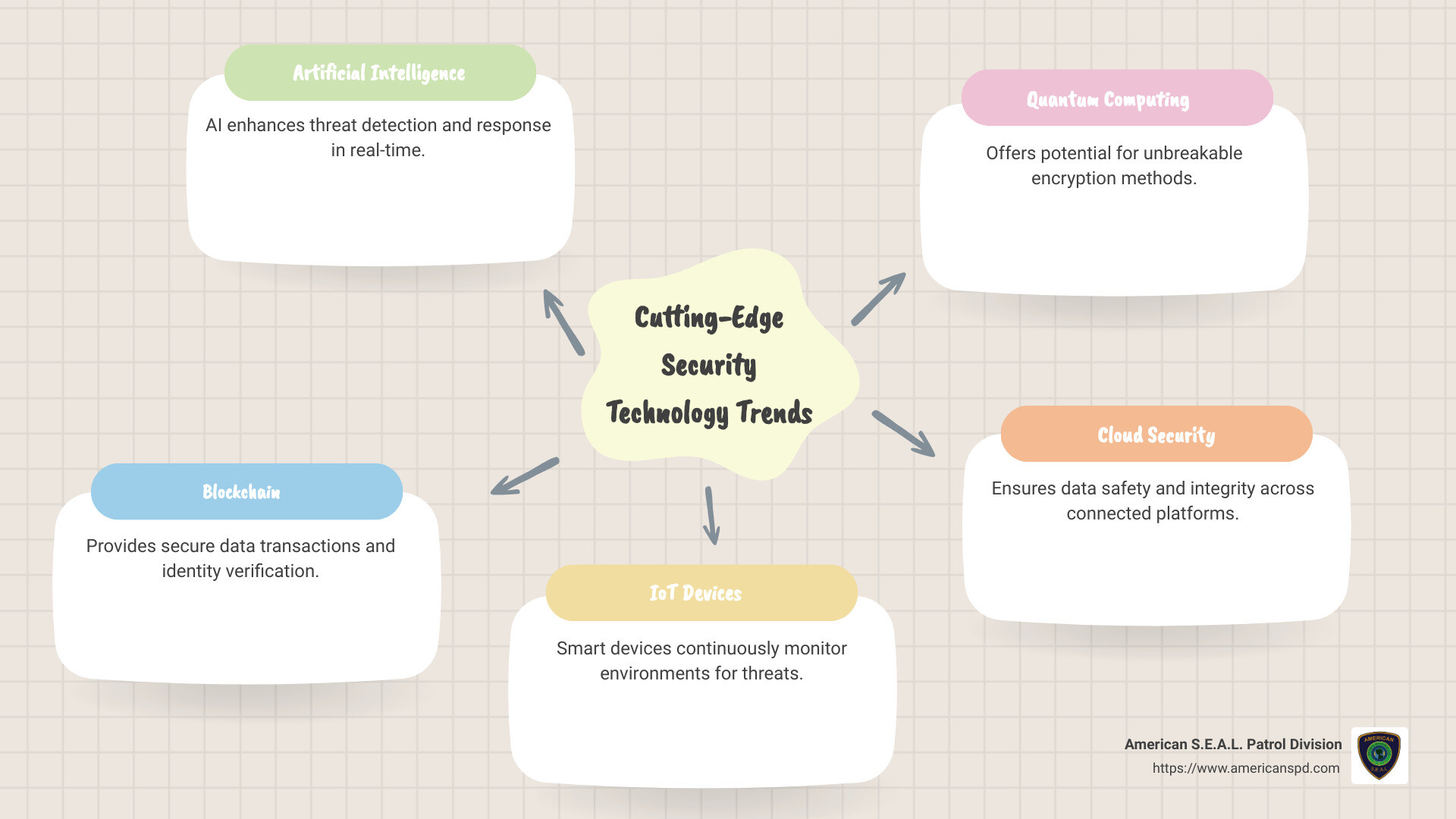
Artificial Intelligence (AI) has become a cornerstone of modern cybersecurity. Imagine a world where security systems learn and adapt on their own. That’s what AI can do. It processes vast amounts of data to identify patterns and detect threats almost instantly. This means quicker responses to cyberattacks and improved protection for sensitive information. AI-driven solutions are like having a vigilant guard who never sleeps.
Robotics is another exciting area. Picture robots patrolling premises, ensuring safety and security. These machines can work alongside human guards, handling routine tasks and freeing up personnel for more complex duties. Robotics improves efficiency and can operate in environments that might be hazardous for humans.
Blockchain technology offers a way to secure data. Known for its use in cryptocurrencies, blockchain is also invaluable in cybersecurity. It creates a tamper-proof record of transactions, making it extremely difficult for hackers to alter data. This transparency and security are critical in protecting digital assets.
IoT Devices (Internet of Things) connect everyday objects to the internet, creating smart environments. While they offer convenience, they also introduce new security challenges. Protecting IoT devices from cyber threats is crucial, as a breach could compromise entire networks. Security solutions are being developed to safeguard these devices, ensuring they remain a benefit rather than a risk.
Quantum Computing is on the horizon, promising to revolutionize data processing. Its immense computing power could potentially break current encryption methods, but it also offers the possibility of creating unbreakable security protocols. As quantum technology evolves, develop security measures that can harness its power safely.
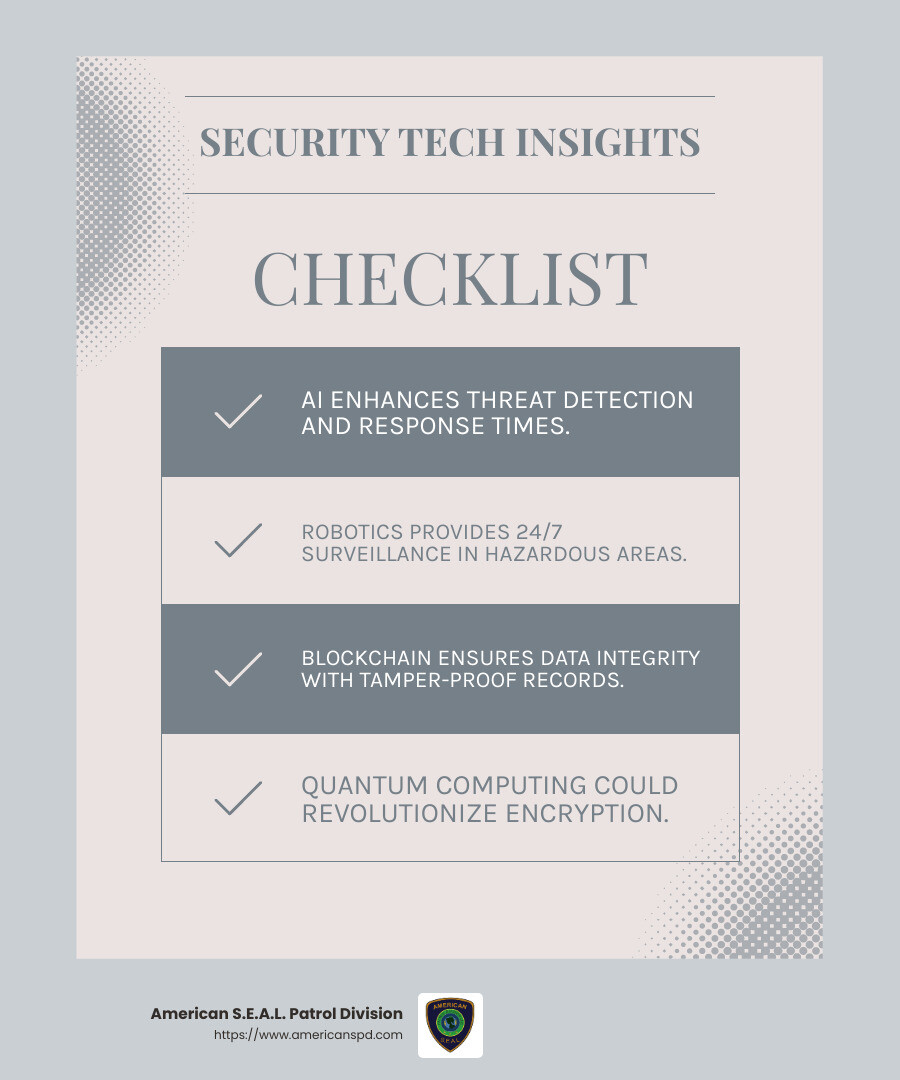
These cutting-edge security technologies are reshaping the cybersecurity landscape. By staying informed and adopting these innovations, organizations can better protect their digital assets and ensure a secure future.
Advanced surveillance and monitoring systems are essential for ensuring security around the clock. These systems provide 24/7 protection, allowing businesses and individuals to monitor their premises at all times. This constant vigilance is crucial in deterring potential threats and quickly addressing any incidents that may arise.
One of the key components of these systems is the use of surveillance cameras. These cameras are strategically placed to cover critical areas, providing comprehensive visual coverage. The latest models offer high-resolution imaging and advanced features like motion detection and night vision, ensuring clear visibility in various conditions.
Another significant advancement is remote viewing access. This feature allows users to monitor their security feeds from anywhere in the world using a smartphone, tablet, or computer. With remote access, you can check on your property in real-time, receive alerts about suspicious activities, and even review recorded footage—all from the convenience of your device. This flexibility means that you never have to be physically present to ensure your property is secure.
The integration of cutting-edge security technology in these systems improves their effectiveness. For instance, AI-driven analytics can automatically identify unusual patterns or behaviors captured by the cameras, alerting security personnel to potential threats. This reduces the time needed to respond to incidents and improves overall security management.
By adopting these advanced surveillance and monitoring systems, businesses and homeowners can achieve peace of mind knowing that their properties are under constant watch. This proactive approach to security not only protects physical assets but also safeguards the well-being of people within these environments.
Artificial Intelligence (AI) is changing how we protect our digital and physical spaces. Its ability to process vast amounts of data quickly makes it an invaluable tool for threat detection.
AI-driven solutions analyze data in real-time to find patterns and anomalies. This means they can spot potential threats that might go unnoticed by human eyes. For example, AI can identify unusual login activities or detect malware before it causes harm. This proactive approach helps to stop attacks before they escalate.
One of the most exciting aspects of AI in security is its automated response capabilities. AI systems can automatically take action when they detect a threat. This might include isolating affected systems, alerting security teams, or even blocking suspicious activities. By automating these responses, organizations can react faster, reducing the risk of damage.
The use of AI in security isn’t just about speed. It’s also about accuracy. AI can continuously learn from new data, improving its threat detection abilities over time. This means it gets better at recognizing both old and new threats.
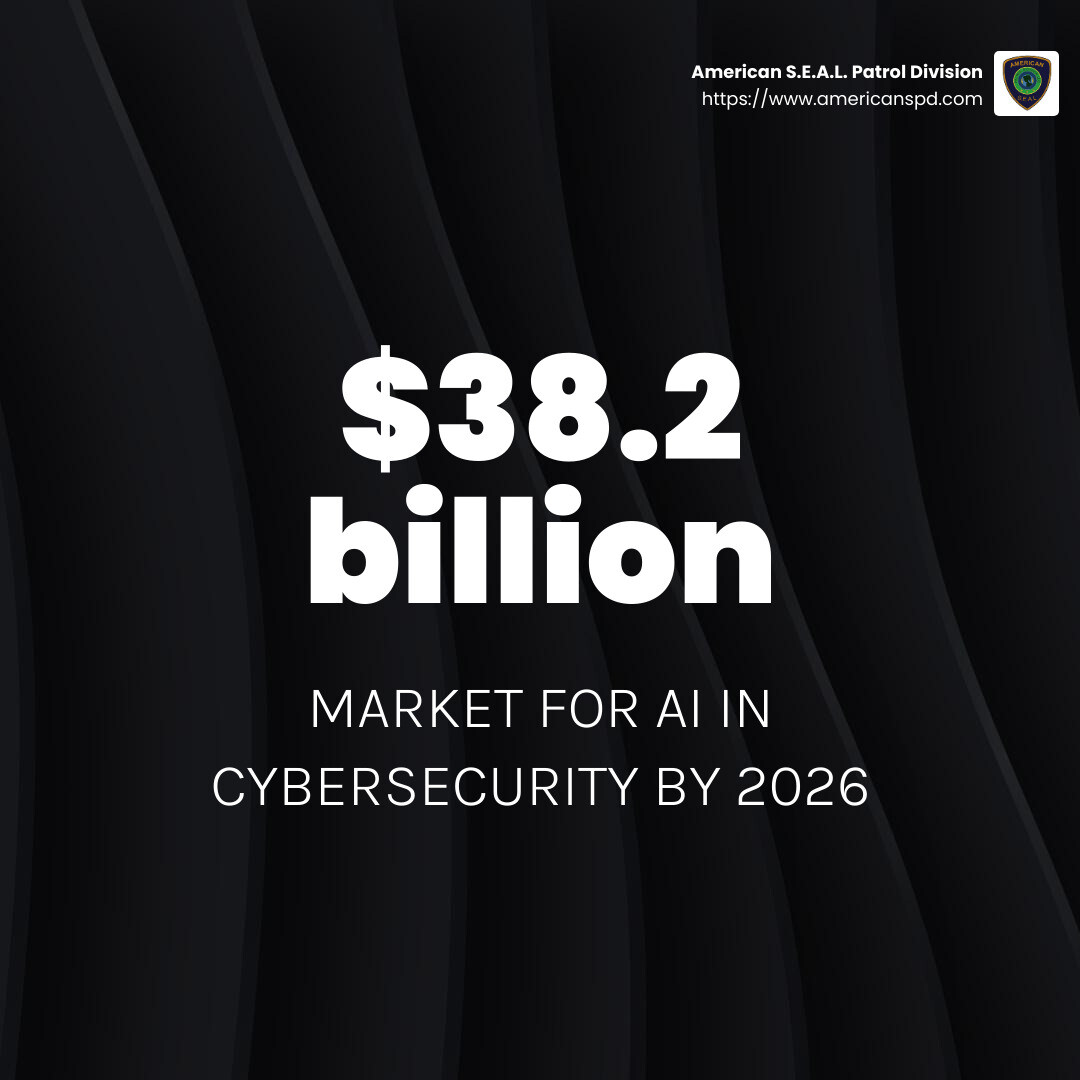
AI’s role in security is growing rapidly. As cyber threats become more sophisticated, AI provides a way to stay ahead. By integrating AI into their security strategies, organizations can improve their defenses and protect their assets more effectively. This makes AI not just a tool, but a critical partner in the fight against cybercrime.
The Zero Trust Security Model is a game-changer in cybersecurity. It flips the traditional idea of trust on its head with a simple mantra: never trust, always verify.
This model assumes that threats can come from anywhere—inside or outside the network. So, it requires continuous authentication and verification for every user and device trying to access the network. No one gets a free pass.
Imagine a secure office building. In the old days, if you had a key card, you could roam freely. But with Zero Trust, you need to show your credentials at every door. It’s like having security guards at every entrance, always checking if you should be there.
Continuous authentication means that even after you’re inside, the system keeps checking if you’re still who you say you are. This might involve re-entering passwords, using biometrics, or confirming your identity through your phone. It’s like having a security badge that needs constant renewal.
This approach drastically reduces the risk of a data breach. Even if a hacker gets in, they can’t move around freely. They face barriers at every turn, making it much harder to cause damage.
Major players like Google Cloud and Microsoft Azure are embracing this model, integrating it into their services to offer tighter security. As digital threats grow, the Zero Trust Security Model becomes not just smart, but essential. It offers a robust framework to protect sensitive data and keep networks safe.
By implementing Zero Trust, organizations can better safeguard their digital assets, ensuring that their security measures are as resilient as possible.
Cloud security is more important than ever. As businesses move their operations to the cloud, they need to ensure their data is safe and accessible. That’s where cloud native security comes in.
Cloud native security means building security measures directly into cloud services. This approach is like having a security system designed specifically for your home, rather than a one-size-fits-all solution. It ensures that the security measures are custom to the unique environment of the cloud, providing robust protection for your data.
One of the key technologies enhancing cloud connectivity and security is SD-WAN (Software-Defined Wide Area Network). SD-WAN allows businesses to connect their offices and branches securely over the internet. It’s like having a private highway for your data, ensuring it travels safely and efficiently. This technology not only improves connectivity but also reduces the risk of data breaches by creating a secure network for data transfer.
Another important concept in cloud security is the Secure Access Service Edge (SASE). SASE combines network security functions with WAN capabilities to support the dynamic, secure access needs of modern organizations. Imagine it as a security checkpoint that ensures only authorized users and devices can access your network, no matter where they are. This approach is crucial for businesses with remote workers or multiple locations, as it provides consistent security across all access points.
By integrating these cutting-edge technologies, organizations can achieve a secure and reliable cloud environment. This not only protects sensitive information but also ensures that businesses can operate smoothly and efficiently in the digital world.
As companies continue to accept the cloud, these innovations in cloud security and connectivity will play a vital role in safeguarding their operations and data.
Cutting-edge technology in cybersecurity refers to advanced tools and systems designed to protect digital assets from cyber threats. These technologies include artificial intelligence (AI), quantum computing, and blockchain, among others. They help organizations stay ahead of cybercriminals by providing innovative solutions for threat detection, data protection, and network security.
Several technologies are leading the way in cybersecurity:
Artificial Intelligence (AI): AI-driven solutions are changing cybersecurity by offering real-time threat detection and automated responses. These systems can analyze vast amounts of data quickly, identifying potential threats before they cause harm.
Quantum Computing: This emerging technology promises to revolutionize data encryption, making it more secure and resistant to cyberattacks. Quantum-resistant encryption algorithms are being developed to protect sensitive information against future threats posed by quantum computers.
Biotechnology: While primarily associated with healthcare, biotechnology is making its way into security. For example, biometric authentication methods, such as fingerprint and facial recognition, are becoming more sophisticated, providing improved security for accessing digital assets.
Cutting-edge technology improves security through a multi-layered approach that combines advanced tools and strategies:
AI and Automation: By automating threat detection and response, AI reduces the time it takes to identify and mitigate cyber threats, minimizing potential damage.
Innovative Solutions: Technologies like blockchain provide secure transaction methods, ensuring data integrity and reducing the risk of fraud.
Quantum Security: As quantum computing evolves, its potential to break traditional encryption methods is countered by developing quantum-resistant algorithms, safeguarding sensitive data.
These technologies work together to create a robust security framework, protecting digital assets from increasingly sophisticated cyber threats. By staying informed and adopting these innovations, organizations can improve their cybersecurity posture and ensure their data remains secure in an changing digital landscape.
American S.E.A.L. Patrol Division stands at the forefront of security services in Texas, leveraging cutting-edge security technology to ensure unparalleled protection for both residential and commercial properties. With over 15 years of experience, we pride ourselves on combining state-of-the-art technology with the expertise of our highly trained personnel to deliver 24/7 monitoring and rapid response.
Our commitment to safety and peace of mind is unwavering. We understand that in today’s world, security needs are constantly evolving. That’s why we continuously invest in the latest technologies and training for our team. Whether it’s through advanced surveillance systems, AI-driven threat detection, or cloud-based security solutions, we ensure that our clients receive the most effective protection available.
Our expert personnel are the backbone of our operations. Equipped with the latest communication tools and trained in both armed and unarmed security measures, they are prepared to handle any situation with professionalism and efficiency. Their dedication to maintaining a safe environment is evident in everything they do, from conducting regular patrols to providing exceptional customer service.
By choosing American S.E.A.L. Patrol Division, you are investing in a security partner that prioritizes your safety through a multi-layered approach. We are here to protect what matters most to you, allowing you to focus on your core activities without security concerns.
For more information on how we can improve your security, visit our security services page. Join us in building a safer tomorrow with our comprehensive and innovative security solutions.
Rapid response software is changing the game by changing how businesses manage supply chain planning through automation and quicker decision-making. If you’re looking for a way to streamline operations and make smarter choices, here’s what you need to know:
For property managers like Sarah Thompson, implementing rapid response software can mean seamless operations and a more proactive approach to managing supply disruptions, keeping everything under control with optimal efficiency.

Rapid response software is a transformative tool in operational management. It offers solutions that help businesses stay ahead by optimizing processes and reducing costs.
At its core, rapid response software is designed to manage the complexities of operations. It provides an all-in-one platform that integrates various aspects of management. This includes everything from planning and execution to distribution and resource management.
One of the standout features of this software is concurrent planning. This means any change in one part of the operation automatically updates the entire plan. It’s like having a living map that adjusts as conditions change.
Demand planning is crucial for any business that wants to meet customer needs without overproducing. Rapid response software excels in this area by using historical data and forecasts to predict future demand. This ensures that companies can plan their schedules accurately, reducing waste and increasing customer satisfaction.
Imagine a large organization preparing for a peak season. With rapid response software, they can analyze past data, current trends, and even external factors to predict what resources will be in demand. This helps them allocate just the right amount, avoiding both shortages and excess inventory.
Another critical function is distribution requirement planning (DRP). This involves determining the best way to distribute resources from the source to the end-user. Rapid response software streamlines this process by providing real-time updates on inventory levels, transportation schedules, and demand forecasts.
For example, a company using rapid response software can quickly adjust its distribution plans if a sudden disruption occurs. The software will suggest alternative routes or methods to ensure timely delivery, minimizing the impact on operations.

This technology isn’t just about managing logistics; it’s about changing how businesses operate. By integrating rapid response software, companies can become more agile, responsive, and efficient.
In the next section, we’ll dive into the key features that make this software indispensable for modern businesses.
Rapid response software is packed with powerful features that help businesses steer the complexities of supply chain management. Let’s explore three key features: automation, scenario planning, and exception-based alerts.
Automation is at the heart of rapid response software. It eliminates the need for manual data entry and repetitive tasks, freeing up valuable time for more strategic activities. With automation, businesses can streamline operations and reduce human error.
Automated Planning Cycles: The software continuously updates plans based on real-time data, ensuring that the supply chain is always aligned with current conditions.
Inventory Management: Automated systems track inventory levels and reorder supplies when needed, preventing stockouts and overstock situations.
Scenario planning is a game-changer for businesses looking to stay ahead of potential disruptions. This feature allows companies to simulate various scenarios and assess their impact on the supply chain.
“What-If” Analysis: Companies can explore different scenarios, such as a sudden increase in demand or a supply chain disruption, and plan accordingly.
Risk Mitigation: By understanding potential risks, businesses can develop contingency plans to minimize impact and maintain continuity.
Imagine a manufacturer facing a potential raw material shortage. With scenario planning, they can explore alternative suppliers or adjust production schedules to mitigate the impact of the shortage. This proactive approach ensures that the business remains agile and responsive.
Exception-based alerts are like an early warning system for the supply chain. They notify businesses of any deviations from the plan, allowing for quick action.
Real-Time Notifications: Alerts are sent immediately when something goes off track, such as a delayed shipment or a sudden drop in demand.
Prioritization: The software prioritizes alerts based on severity, ensuring that critical issues are addressed first.
For instance, if a key supplier experiences a delay, the software will alert the business, allowing them to take corrective action before it affects customers. This feature improves the agility and responsiveness of the supply chain.
With these features, rapid response software empowers businesses to steer the complexities of the modern supply chain with ease. In the next section, we’ll explore the benefits of using this technology and how it can transform your business operations.
When it comes to managing supply chains, rapid response software offers significant advantages. Let’s dig into the key benefits: cost reduction, efficiency, and agility.
One of the major benefits of rapid response software is its ability to reduce costs. By automating planning cycles and optimizing inventory management, businesses can achieve substantial savings.
Reduced Inventory Costs: The software enables a reduction in finished goods, minimizing carrying costs and freeing up capital for other investments.
Decreased Manufacturing Lead Times: With automation, lead times can be reduced, which lowers production costs and improves cash flow.
Imagine a company that traditionally kept excess inventory to avoid stockouts. With rapid response software, they can maintain just the right amount of stock, reducing excess storage costs.
Efficiency is crucial in today’s business environment. Rapid response software improves operational efficiency by streamlining processes and reducing manual tasks.
Shorter Planning Cycles: The software achieves a reduction in planning cycles, allowing businesses to respond more quickly to changes in demand and supply.
Automated Updates: Real-time data updates ensure that all parts of the supply chain are synchronized, reducing the time spent on manual adjustments.
Consider a retailer who needs to adjust their stock levels based on seasonal demand. With rapid response software, they can quickly update their inventory plans, ensuring they meet customer needs without overstocking.
When change is constant, agility is key. Rapid response software equips businesses with the tools they need to stay flexible and responsive.
Real-Time Decision Making: The software provides real-time insights, enabling businesses to make informed decisions swiftly.
Adaptability to Change: Whether it’s a sudden spike in demand or a supply chain disruption, the software helps businesses adapt quickly, maintaining service levels and customer satisfaction.
Think of a logistics company dealing with unexpected weather conditions that impact delivery schedules. Rapid response software allows them to reroute shipments and inform customers promptly, minimizing disruptions.
By leveraging these benefits, businesses can transform their supply chain operations, achieving greater cost savings, efficiency, and agility. In the next section, we’ll explore how this software works and the technology behind it.
To truly understand how rapid response software achieves its benefits, let’s dive into the mechanics: data analysis, real-time updates, and decision intelligence.
At the heart of rapid response software is powerful data analysis. The software gathers and processes massive amounts of data from various sources across the supply chain. This data includes inventory levels, sales forecasts, and supplier information.
By analyzing this data, the software identifies patterns and trends that help businesses anticipate demand and optimize their operations. For instance, it can predict when a product will be in high demand based on historical sales data, enabling companies to prepare in advance.
One of the standout features of rapid response software is its ability to provide real-time updates. This means that any change in the supply chain, whether it’s a delay in shipment or a sudden increase in demand, is immediately reflected in the system.
Real-time updates ensure that all stakeholders have access to the latest information. This synchronization allows for quick adjustments, minimizing disruptions and keeping the supply chain running smoothly.
Imagine a scenario where a supplier notifies a retailer of a delay in delivery. With real-time updates, the retailer can immediately adjust their inventory plans and notify customers of any changes, maintaining transparency and trust.
Decision intelligence is where rapid response software truly shines. By leveraging advanced algorithms and machine learning, the software provides actionable insights that empower businesses to make informed decisions quickly.
For example, if a company faces multiple supply chain disruptions, the software can simulate different scenarios and recommend the best course of action. This might include rerouting shipments, reallocating resources, or adjusting production schedules.
The ability to make data-driven decisions in real-time is what sets rapid response software apart, enabling businesses to maintain a competitive edge in a dynamic market.
In the next section, we’ll address common questions about rapid response software, exploring its uses and advantages in more detail.
Rapid response software is a game-changer in supply chain management. It’s designed to streamline and automate processes, ensuring that businesses can respond quickly to changes and challenges. This software is used to manage demand planning and distribution requirement planning, allowing companies to anticipate needs and allocate resources efficiently. By automating these tasks, businesses can reduce manual errors and focus on strategic decision-making.
Efficiency is at the core of rapid response software. It significantly reduces planning cycles and manufacturing lead times, which are critical components of supply chain management. By providing real-time data analysis and updates, the software allows for quick adjustments to plans and schedules. This agility helps businesses avoid costly delays and maintain smooth operations. Companies using rapid response software often see a reduction in finished goods inventory and an overall increase in supply chain efficiency.
Yes, most rapid response software is offered as a cloud-based platform, often in the form of Software as a Service (SaaS). This means users can access the software from anywhere with an internet connection, providing flexibility and scalability. Being cloud-based also ensures that updates and improvements are rolled out seamlessly, without the need for manual installations or downtime. This accessibility and ease of use are key reasons why many companies choose cloud-based rapid response solutions.
In the following section, we will explore how American S.E.A.L. Patrol Division integrates technology into their security services, enhancing their ability to respond to emergencies effectively.
At American S.E.A.L. Patrol Division, we understand that rapid response software plays a crucial role in modern security solutions. As a premier security service provider in Texas, we integrate cutting-edge technology with our expert personnel to deliver unparalleled protection for both residential and commercial clients. Our commitment to leveraging advanced software ensures that we can offer 24/7 monitoring and swift response times, providing peace of mind to those we serve.
By incorporating technology into our operations, we improve our ability to quickly assess and respond to potential threats. This integration allows our team to maintain a vigilant watch over the properties we protect, ensuring that any suspicious activity is addressed promptly and effectively. Our use of rapid response software streamlines communication and coordination, allowing our officers to focus on what truly matters—keeping you safe.
Our proactive approach has already seen significant success, with a reported crime reduction of over 60% in the largest community in Harris County. This achievement highlights the effectiveness of combining technology with human expertise, a hallmark of our service philosophy.
As we continue to evolve our security offerings, we remain dedicated to utilizing the latest advancements in technology to improve our protective measures. Whether it’s through real-time data analysis or automated alerts, our integration of rapid response software ensures that we are always one step ahead in safeguarding your assets.
For more information on how American S.E.A.L. Patrol Division can provide comprehensive security solutions custom to your needs, visit our security services page. Trust us to protect what matters most to you.
Security guards 24/7 armed and unarmed have become essential for ensuring safety in both residential and commercial properties. Whether you need round-the-clock protection or services custom to specific needs, understanding the options available is crucial. Here’s a quick look at what to expect:
Security services promise not only physical safety but also peace of mind. Both armed and unarmed security personnel play pivotal roles in safeguarding people and property. They deliver constant vigilance and are ready to respond swiftly in emergencies. Thus, opting for 24/7 monitoring ensures your tenants feel secure, and crime rates stay in check.

When considering security guards 24/7 armed and unarmed, it’s important to understand the distinct roles they play in protection and safety.
Armed security guards are trained professionals equipped with firearms. Their presence alone acts as a powerful deterrent against potential threats. In high-risk environments, the sight of an armed guard can prevent incidents before they occur.
These guards are not just about showcasing firearms. They undergo rigorous training to handle firearms responsibly and understand legal boundaries. This training ensures they can respond rapidly and effectively in emergencies, providing a layer of protection that can be crucial in critical situations.
Armed guards are often deployed in areas where the risk of violent crime is higher, such as banks, high-value retail locations, and certain government facilities. Their training includes not only firearm use but also skills in de-escalation and conflict management, ensuring they can handle a wide range of scenarios safely.
Unarmed security guards, on the other hand, focus more on conflict resolution, customer service, and surveillance. They provide a visible security presence that can deter criminal activity through monitoring and reporting suspicious behavior.
Unarmed guards excel in environments where the risk of violent crime is lower, but the need for a security presence is still necessary. They are trained in conflict resolution techniques to defuse situations before they escalate. Their role often includes engaging with the public, offering assistance, and maintaining a welcoming atmosphere.
Additionally, unarmed guards are skilled in surveillance, often monitoring security cameras and patrolling premises to ensure everything is in order. Their ability to observe, report, and act as a liaison with law enforcement if necessary, makes them invaluable in settings like residential communities, schools, and retail environments.
Both armed and unarmed security guards are essential components of a comprehensive security strategy. Whether it’s the deterrent effect of a firearm or the approachable presence of an unarmed guard, each type of security personnel brings unique strengths to the table, ensuring safety and peace of mind around the clock.
Round-the-clock security offers several significant advantages for businesses and communities alike. Understanding these benefits can help you decide the best approach for your security needs.
Having security guards 24/7 armed and unarmed means continuous monitoring of your property. This constant vigilance acts as a strong deterrent against potential criminals. Even when you can’t be present, you can rest assured that trained professionals are keeping an eye on things.
Uninterrupted surveillance helps identify and address issues before they escalate. Whether it’s a suspicious activity or a routine check, 24/7 security ensures nothing goes unnoticed. This proactive approach reduces the likelihood of theft, vandalism, or other unwanted incidents.
Knowing that there is a dedicated team watching over your premises provides peace of mind. Employees, residents, and visitors feel safer, which can improve productivity and customer satisfaction. A secure environment fosters a positive atmosphere where people can focus on their tasks without worry.
Unarmed security guards, known for their conflict resolution and customer service skills, contribute significantly to this sense of security. Their approachable demeanor reassures everyone that help is readily available if needed.
In emergencies, the presence of security guards can be invaluable. Whether it’s an armed guard responding to a potential threat or an unarmed guard managing a medical situation, trained personnel can react swiftly and effectively. They are equipped to handle a range of emergencies, from security breaches to natural disasters.
Security guards are often the first responders, providing immediate assistance and coordinating with emergency services. This quick action can mitigate damage and ensure the safety of everyone involved.

Implementing 24/7 security services is a strategic investment in safety and peace of mind. Whether you opt for armed or unarmed guards, the benefits remain clear: constant vigilance, improved safety, and an effective emergency response plan.
When deciding between armed and unarmed security for your business or community, consider several factors: risk assessment, cost considerations, and the environment in which the security will operate.
The first step in choosing the right security option is to assess the level of risk your property or event faces. High-risk environments, such as banks or high-value asset locations, might require armed security guards. Their presence can deter potential criminals and provide a rapid response to any threats.
On the other hand, places like residential communities or retail stores might benefit more from unarmed security guards. These professionals excel in conflict resolution and maintaining a peaceful environment without the need for weapons. Their skills in surveillance and customer service make them ideal for locations where the primary concern is managing crowds and preventing minor disturbances.
Budget is another critical factor in deciding between armed and unarmed security. Armed security guards often come with higher costs due to the need for specialized training, licensing, and insurance. This can be a significant expense for small businesses or organizations operating in low-risk areas.
Conversely, unarmed security guards can be a more affordable solution while still providing a strong security presence. They are trained to handle various situations without the use of firearms, which can be sufficient for many businesses. The cost savings from hiring unarmed guards can be redirected towards other security measures, such as advanced surveillance systems or additional personnel.
The environment in which the security personnel will operate also plays a crucial role in your decision. For example, in a hospital or school setting, the presence of armed guards might create unnecessary anxiety among staff and visitors. In these environments, unarmed guards can provide a sense of safety without escalating tensions.
In contrast, high-profile events or locations with a history of security threats might benefit from the visible deterrent that armed guards provide. Their presence can reassure attendees and stakeholders that their safety is a top priority.
In conclusion, choosing between armed and unarmed security guards depends on a careful evaluation of your specific needs and circumstances. By considering risk, cost, and environment, you can make an informed decision that best protects your assets and ensures peace of mind.
Security guards come in three main types: government, in-house, and private firms.
Government security guards are employed by federal, state, or local governments to protect public properties and officials. They often work in places like courthouses, government buildings, and public parks.
In-house security guards are hired directly by a business or organization to protect their premises. These guards are part of the company’s staff and are typically familiar with the specific needs and culture of the organization they serve.
Private firm security guards are employed by security companies that provide services to various clients. These guards can be either armed or unarmed, depending on the client’s needs. They offer flexibility and expertise across different environments, from retail stores to industrial facilities.
The use of firearms by security guards is governed by firearm regulations and company guidelines.
Firearm regulations vary by state and often require guards to complete specific training and obtain a license to carry a weapon. These regulations ensure that armed guards are knowledgeable about the legal and safe use of firearms.
Company guidelines further dictate when and how security guards can use their guns. Many companies emphasize de-escalation and conflict resolution before resorting to firearms. Armed guards must understand their legal authority and the limitations of using force in their role.
The primary difference between armed and unarmed security guards lies in their threat level response and job requirements.
Armed security guards are equipped with firearms and are trained to handle high-risk situations. They are often employed in environments where there is a greater likelihood of serious threats, such as banks or high-value asset locations. Their job requirements include rigorous training in firearms use, legal authority, and emergency response.
Unarmed security guards, on the other hand, focus on conflict resolution, surveillance, and maintaining order without weapons. They are ideal for environments like residential communities, retail stores, and educational institutions, where the presence of firearms might not be necessary or could cause anxiety. Their training emphasizes customer service, observation skills, and non-violent conflict management.
Choosing between armed and unarmed security depends on assessing the specific security needs and the potential threats faced by a business or community. Each type of guard offers distinct advantages custom to different security scenarios.
At American S.E.A.L. Patrol Division, security is more than just a service—it’s our promise. With over 15 years of experience, we have honed our expertise to deliver top-notch security solutions that cater to both residential and commercial needs.
Our expert personnel are the backbone of our operations. Every member of our team undergoes rigorous training to ensure they are equipped to handle any situation, whether it requires the presence of armed or unarmed security guards. This training focuses on conflict resolution, emergency response, and maintaining a professional demeanor at all times.
But we don’t stop there. We combine this human expertise with cutting-edge technology. Our 24/7 monitoring systems and rapid response capabilities ensure that your premises are always under vigilant protection. Whether it’s through CCTV monitoring or GPS-tracked patrols, we use the latest advancements to keep you safe.
Our commitment to security doesn’t just protect your assets—it provides peace of mind. With American S.E.A.L. Patrol Division, you can rest easy knowing that your security needs are in the hands of professionals who prioritize your safety above all else.
Ready to improve your security? Contact us today to learn more about our comprehensive security solutions and how we can serve you. Your safety is our mission, and we are here to protect what matters most to you.